


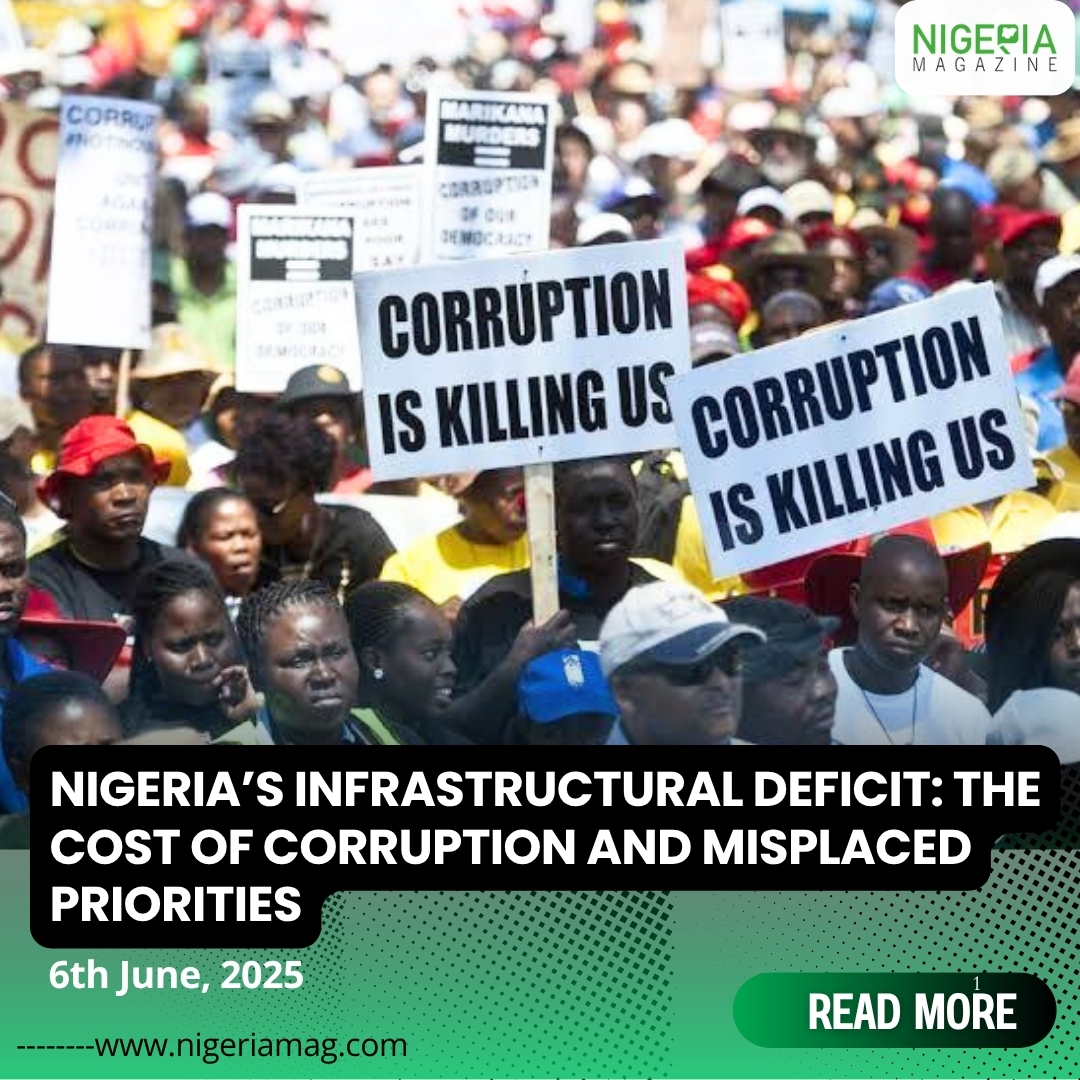
In a country long plagued by infrastructural decay and socioeconomic stagnation, the recent revelation of ₦7 trillion fraudulently inserted into the 2025 national budget is a seismic indictment of Nigeria’s governance crisis. That single, illicit sum—shocking in both scale and audacity—surpasses the combined allocations of four ministries crucial to the nation’s human development: Health, Education, Agriculture, and Humanitarian Affairs.
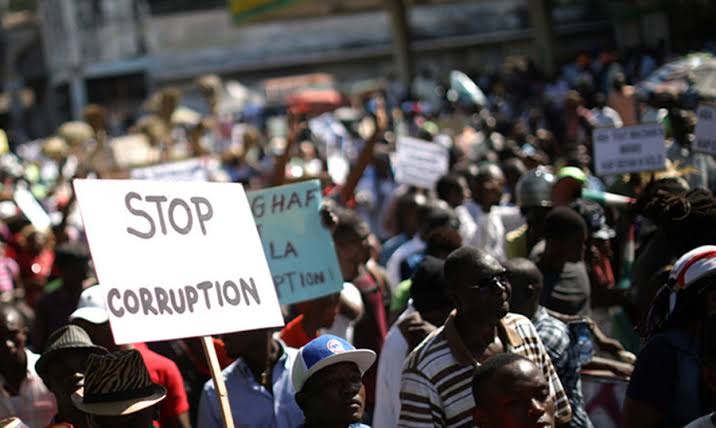
Let us be clear. The Ministry of Education was allocated ₦3.52 trillion. The Ministry of Health received ₦2.48 trillion. The Ministry of Humanitarian Affairs and Poverty Alleviation was allotted ₦260 billion. The Ministry of Agriculture and Food Security, ₦636.08 billion. In total, these allocations amount to ₦6.896 trillion—less than the ₦7 trillion inserted fraudulently into the national budget, and yet already considered ambitious given past budgetary trends.
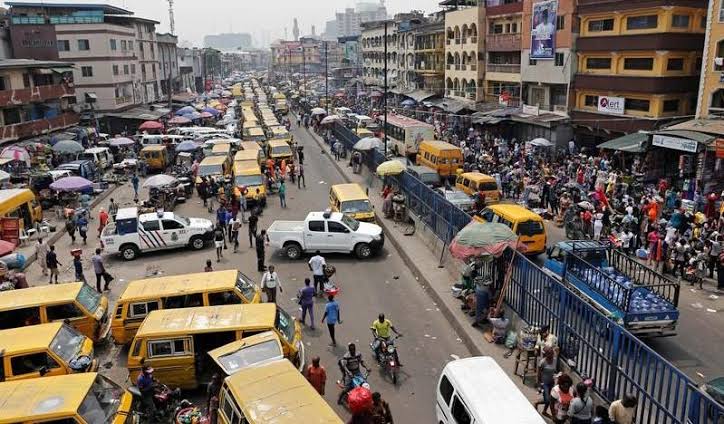
To add insult to injury, this dubious ₦7 trillion figure is also greater than the ₦6.1 trillion allocated to national security—a bitter irony in a country ranked among the most terrorised nations globally, where mass kidnappings, insurgency, and banditry have turned entire regions into war zones.
This is more than financial malpractice; it is a systematic sabotage of Nigeria’s future.
An Educational Emergency Ignored
Education is universally acknowledged as the cornerstone of national development. Yet in Nigeria, despite the glaring crisis of nearly 20 million out-of-school children, the response remains tepid. Classrooms are overcrowded, teachers are underpaid, infrastructure is dilapidated, and dropout rates are alarmingly high.
The ₦3.52 trillion allocated to the Ministry of Education might appear substantial on paper, but in practice, it is diluted by bureaucratic inefficiency, corruption, and poor policy execution. Imagine what an additional ₦7 trillion—properly invested—could achieve: revitalised public schools, scholarships for vulnerable children, vocational training centres across all 774 local government areas, and mass literacy campaigns in underserved regions.
A Healthcare System in Collapse
Nigeria’s healthcare system is failing—quietly and painfully. With ₦2.48 trillion allocated for health in 2025, there should be marked improvement in medical infrastructure, access to primary healthcare, and disease control efforts. Yet, patients still travel hours to find functioning clinics, and those clinics often lack basic drugs, equipment, and personnel.
The consequences are tragic.
Nigeria continues to report some of the world’s highest maternal and child mortality rates. Malnutrition affects over 30% of children under five. Cholera outbreaks resurface with deadly regularity. The ₦7 trillion siphoned away could have built hundreds of primary health centres, trained thousands of community health workers, and stocked emergency medical supplies in every geopolitical zone.
Hunger in the Breadbasket
Nigeria possesses over 70 million hectares of arable land, yet it remains a net importer of food. The 2025 allocation of ₦636.08 billion to the Ministry of Agriculture and Food Security falls woefully short of what is needed to industrialise farming, provide rural infrastructure, and support the agricultural value chain.
Meanwhile, food prices soar, smallholder farmers are being displaced by insecurity, and post-harvest losses cost the economy billions annually. The stolen ₦7 trillion could have powered mass irrigation projects, built storage facilities, and funded a national food reserve program—paving the way for food self-sufficiency.
Humanitarian Aid Without Humanity
The Ministry of Humanitarian Affairs and Poverty Alleviation received ₦260 billion in 2025—a fraction of what is required in a country where over 133 million people are multi-dimensionally poor. This ministry oversees critical safety nets such as cash transfers, school feeding programs, and IDP camp support. Yet time and again, we see headlines of misappropriated funds, ghost beneficiaries, and politicised relief distribution.
Imagine the social impact if ₦7 trillion had been invested transparently in direct support for the poor, in digital infrastructure to track aid delivery, or in empowerment programs for displaced women and youth.
Security in Name Only
Even the argument that Nigeria’s leadership is prioritising national security fails to hold water when compared to the size of the fraudulent budget insertion. The ₦6.1 trillion allocated for security—still less than the illicitly inserted ₦7 trillion—is meant to fund the military, police, intelligence services, and civil defence. And yet, insecurity is at an all-time high. Soldiers lack adequate welfare. Police remain under-equipped. Citizens live in fear.
What does it say about a nation when graft receives more budgetary attention than the safety of its people?
A Future Stolen in Plain Sight
What’s most infuriating is that this ₦7 trillion fraud is not a minor accounting error. It is a calculated and deliberate act—a reflection of the deep-rooted culture of impunity among Nigeria’s political elite.
Budget padding, contract inflation, and opaque procurement processes continue to sabotage every developmental effort.
And while the elite bicker over power-sharing and patronage, Nigeria’s roads collapse, power supply remains epileptic, public universities face strikes, and millions of youths roam the streets jobless.
Breaking the Cycle
There can be no meaningful development without accountability. As Nigeria’s infrastructural deficit deepens, the conversation must shift from lofty policy pronouncements to forensic audits, legal reforms, and digital transparency in public finance. Every naira must be tracked. Every corrupt official must be prosecuted.
Civil society, the media, and the electorate must sustain pressure. 2025 cannot be just another year of exposés without consequences.
Nigerians deserve roads that don’t collapse in the rain, schools that function, hospitals that heal, and a future not mortgaged by greed.
The real tragedy of the ₦7 trillion fraud is not just in the theft, but in the opportunities lost. In a country where children go to bed hungry, where women give birth by torchlight, and where farmers are killed in their fields, this theft is a betrayal too profound for silence.
As the nation groans under the weight of economic decline and social dislocation, we must ask: How much longer can Nigeria afford to bleed for the sins of its leaders?

