


The future of money is digital, and Nigeria, one of Africa’s largest economies, stands at a critical crossroads. With the global rise of Web3, blockchain, and the metaverse, countries are grappling with how to position their currencies in this rapidly evolving digital economy. For Nigeria, the burning question is whether a digital Naira integrated into the metaverse could rescue its fragile economy or accelerate its decline.
Nigeria’s Economic Struggles
Nigeria’s economic story has been marked by cycles of boom and bust, largely tied to oil revenues. In recent years, the nation has battled inflation, currency devaluation, mounting debt, and unemployment. The naira has been particularly vulnerable, losing significant value against the US dollar despite central bank interventions. This instability has pushed many Nigerians, especially the tech-savvy youth, toward cryptocurrencies as an alternative store of value and medium of exchange.
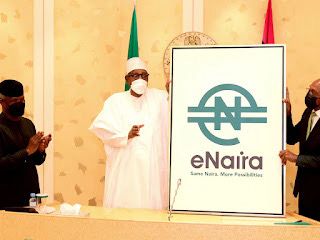
The Central Bank of Nigeria (CBN) introduced the eNaira in 2021, Africa’s first central bank digital currency (CBDC). While adoption has been slow, it represented a bold step toward digitising finance. Now, as global conversations around the metaverse accelerate, Nigeria must decide how the eNaira – or a revamped digital naira – will operate within this new frontier.
The Promise of a Digital Naira in the Metaverse
The metaverse promises a decentralised, immersive, and interactive internet where users can socialise, trade, and build virtual economies. For Nigeria, embedding the naira into such spaces could present several opportunities:
Financial Inclusion: Over 38 million Nigerian adults remain unbanked. A digital naira compatible with metaverse platforms could allow citizens to transact and save without relying on traditional banking infrastructure.
Global Trade & Diaspora Engagement: Millions of Nigerians in the diaspora contribute billions in remittances annually. A seamless digital naira could reduce transaction costs, ease remittances, and enable diaspora Nigerians to engage in virtual Nigerian markets in the metaverse.
Youth & Innovation: Nigeria is home to one of the fastest-growing populations of tech-savvy youth in Africa. A digital naira in the metaverse could empower entrepreneurs, content creators, and developers to monetise skills in gaming, NFTs, virtual real estate, and e-commerce.

Transparency & Security: Blockchain-backed transactions could reduce fraud, corruption, and illicit financial flows, strengthening trust in the financial system.
Risks and Challenges
Despite these promises, significant challenges threaten to derail the project:
Volatility & Trust Issues: Nigerians have already lost millions to crypto scams and Ponzi schemes. If the government fails to build trust around a digital naira in the metaverse, citizens may continue to prefer decentralised cryptocurrencies like Bitcoin and Ethereum.
Poor Infrastructure: Internet penetration and power supply remain weak in many parts of Nigeria. Without reliable infrastructure, access to the metaverse will remain limited to urban elites, widening the digital divide.
Regulatory Confusion: Nigeria’s relationship with crypto has been inconsistent. While banning banks from facilitating crypto transactions in 2021, the government has simultaneously encouraged blockchain innovation. Without clear policies, the digital naira risks stagnation.
Capital Flight & Dependency: If poorly managed, a digital naira in the metaverse could accelerate capital flight, as citizens use it primarily to acquire foreign digital assets instead of investing locally.
Cybersecurity Threats: A fully digital currency increases exposure to hacking, fraud, and data breaches, raising questions about consumer protection.
Lessons from Global Players
Countries like China, with its digital yuan, and the European Union with its planned digital euro, are taking measured steps into the digital currency ecosystem. Their strategies emphasise strong regulation, financial education, and gradual integration into existing systems. For Nigeria, this suggests that success in the metaverse will depend not just on launching a digital currency but on building trust, infrastructure, and supportive policies.
The Cultural Factor
One often overlooked element is the cultural dimension of money. For many Nigerians, physical cash carries a sense of trust and immediacy that digital alternatives have yet to replicate. Additionally, the informal sector, which accounts for over 50% of Nigeria’s GDP, thrives on cash transactions. Convincing traders, artisans, and rural dwellers to adopt a digital naira in a virtual world will require significant sensitisation and incentives.
Possible Scenarios
The Optimistic Path: With proper infrastructure investment, regulatory clarity, and mass education, Nigeria could lead Africa in digital finance innovation. The digital naira in the metaverse could boost financial inclusion, empower youth-led innovation, and integrate the economy into the global digital marketplace.
The Pessimistic Path: If mismanaged, the digital naira could deepen economic inequality, fuel capital flight, and become irrelevant as Nigerians continue to rely on stablecoins and decentralised cryptocurrencies. In this case, the metaverse might expose the naira’s fragility rather than strengthen it.
The Middle Ground: Nigeria adopts a cautious, hybrid approach. The digital naira gains modest traction in urban centers, particularly among young people, but struggles to penetrate rural areas or replace crypto alternatives. The economy sees incremental benefits but no dramatic transformation.
The Way Forward
For Nigeria, the decision is not just whether to put the naira in the metaverse but how to do so strategically. Policymakers must prioritize:
Public Trust: Transparent communication and robust consumer protections.
Infrastructure Development: Expanding internet access and reliable power supply.
Policy Consistency: Clear regulatory frameworks for digital assets.
Education & Awareness: Programs to demystify digital finance for the masses.
Regional Integration: Exploring how the digital naira could interact with other African CBDCs under the African Continental Free Trade Area (AfCFTA).
The metaverse is not a silver bullet for Nigeria’s economic woes, but it represents a frontier that cannot be ignored. A well-designed digital naira could position Nigeria as a leader in Africa’s digital economy, empowering its youth and deepening global financial integration. However, without trust, infrastructure, and sound policy, the project risks becoming yet another missed opportunity.
Ultimately, whether the digital naira saves or sinks Nigeria’s economy will depend on leadership, vision, and execution. The metaverse offers a canvas; what Nigeria paints on it will determine its economic future.

