


By Moses Chibuike Ezechukwu
From digital investments and entrepreneurship to intellectual property and personal branding, Generation Z is redefining what it means to own assets in the 21st century. Their approach to wealth is less about tradition and more about adaptability, innovation, and long-term financial independence.
For decades, wealth was measured by visible possessions—land, houses, luxury cars, and thriving family businesses. Success was something people could point at. Today, however, a different generation is rewriting that script.
Generation Z, those born roughly between 1997 and 2012, are approaching wealth with a mindset that is remarkably different from that of their parents. While many still aspire to own homes and build businesses, they are equally interested in digital assets, online brands, investment portfolios, intellectual property, and multiple streams of income.

To them, wealth is no longer just what sits in a bank account or what occupies physical space; it is also what exists online, what generates recurring income, and what creates opportunities.
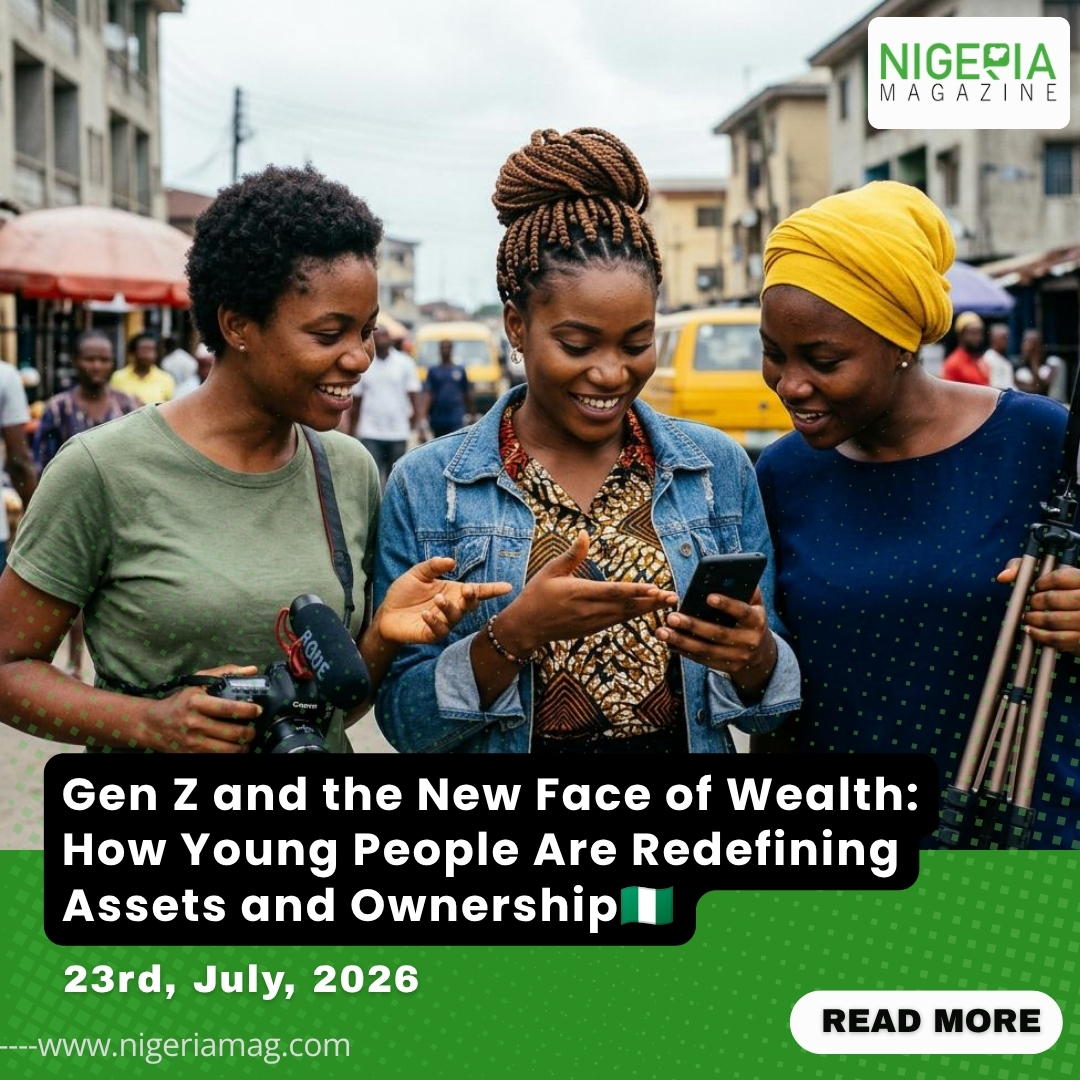
Across Nigeria and around the world, Gen Z is proving that ownership is evolving. They are building businesses from smartphones, earning from digital platforms, investing through fintech applications, and creating brands that reach audiences far beyond geographical borders. Their journey is filled with opportunities, but also significant challenges.
A Generation Raised in the Digital Economy
Unlike previous generations, Gen Z grew up during the rise of smartphones, social media, e-commerce, and financial technology. The internet is not just a source of entertainment; it is their workplace, classroom, marketplace, and networking hub.
This digital upbringing has changed how they perceive assets. While earlier generations considered land and buildings as the ultimate investment, many Gen Z individuals view digital businesses, content creation, software, online stores, and investment portfolios as equally valuable.

Digital platforms have lowered barriers to entrepreneurship, allowing young people to launch businesses with minimal capital while reaching customers globally. Research also shows younger investors are more digitally engaged and more willing to explore innovative investment opportunities than previous generations.
Beyond Material Possessions
Perhaps the biggest shift is that Gen Z increasingly values income-generating assets over status symbols.
Owning an expensive car may attract attention, but owning a profitable online business can create long-term financial security. Many young entrepreneurs now focus on building assets that work even when they are offline.
Examples include:
Digital Businesses
Many Nigerian youths now operate fashion brands, digital marketing agencies, software startups, online stores, and freelance businesses that serve clients across continents.
Intellectual Property
Music, books, photography, mobile applications, online courses, podcasts, and digital designs have become valuable assets capable of generating passive income for years.
Investment Portfolios
With fintech applications making investing more accessible, young people now participate in stocks, mutual funds, treasury bills, and other investment opportunities from their smartphones. Financial literacy remains a key factor in helping these investments succeed.
The Nigerian Reality
Despite their ambition, Gen Z in Nigeria faces one of the toughest economic environments in recent history.
Inflation, rising housing costs, unemployment, and currency instability have made traditional wealth-building increasingly difficult. Buying land or building a house, once considered a rite of passage, is becoming less attainable for many young Nigerians.
Rather than waiting decades to accumulate enough capital for physical assets, many are choosing flexible investment options that require smaller amounts of money. This has contributed to growing interest in digital businesses, online investments, remote work, and entrepreneurship. Analysts have observed that younger Nigerians are increasingly questioning whether property ownership should remain the only measure of financial success.
Entrepreneurship as the New Career Path
One defining characteristic of Gen Z is their willingness to create opportunities rather than wait for them.
Instead of depending solely on traditional employment, many young people now combine full-time jobs with side businesses. Some earn income through content creation, affiliate marketing, software development, consulting, photography, fashion, agriculture, or digital services.
Social media platforms have become powerful marketing tools where small businesses can compete with established brands. A smartphone and internet connection are often enough to reach thousands of potential customers.
This entrepreneurial spirit reflects a broader desire for financial independence rather than dependence on a single source of income.
The Rise of Financial Awareness
Contrary to the stereotype that Gen Z spends recklessly, many young people are becoming more financially conscious. Online discussions about budgeting, investing, emergency savings, and financial planning have become increasingly common. Fintech companies, investment apps, and educational content creators have made financial knowledge more accessible than ever before.
Even so, experts warn that social media can also encourage unrealistic expectations through “get-rich-quick” narratives and fear of missing out (FOMO), making financial education more important than ever.
Assets Are Becoming More Diverse
Today’s young investors no longer think only about land or cash savings.
Many diversify their wealth through:
Stocks and equity investments
Mutual funds
Government securities
Small businesses
Real estate where affordable
Digital products
Creative works
Technology startups
Professional skills that generate recurring income
This broader understanding of assets reflects a generation that sees knowledge, creativity, and technology as wealth-producing resources.
The Challenges Ahead
While Gen Z has embraced innovation, several obstacles remain.
Access to capital is still limited for many young entrepreneurs. Inflation continues to reduce purchasing power, while unemployment remains a pressing concern. Housing affordability has also delayed major life milestones for many young adults worldwide. Despite these pressures, surveys show that many Gen Z individuals remain optimistic about improving their financial future through deliberate planning and skill development.
Another challenge is misinformation. Financial advice on social media is abundant, but not all of it is credible. Without proper financial education, young investors risk making decisions based on hype rather than sound analysis.
Redefining Success
Perhaps the greatest contribution of Gen Z is not simply accumulating wealth but changing how society defines it.
For many young people today, success means having flexibility, meaningful work, financial security, good mental health, and the freedom to choose how they spend their time. While material possessions remain important, they are increasingly viewed as outcomes of financial discipline rather than the sole indicators of success. Recent studies suggest that many Gen Z adults prioritise stability, well-being, and sustainable growth alongside financial progress.
This evolving mindset reflects a generation that values experiences, innovation, and long-term resilience over appearances.
Generation Z is changing the conversation around wealth and asset ownership in profound ways. Their world is more digital, more connected, and more dynamic than that of previous generations. They understand that valuable assets can exist both online and offline, and that financial success is built through adaptability, continuous learning, and diversified income.
In Nigeria, where economic uncertainty presents undeniable challenges, this generation is demonstrating remarkable resilience. They are launching startups, investing earlier, building personal brands, acquiring valuable skills, and embracing technology to create opportunities that did not exist just a decade ago.
The road ahead is not without obstacles, but one thing is becoming increasingly clear: the future of wealth will not be defined solely by what people own. It will also be defined by what they create, what they innovate, and how effectively they transform ideas into lasting value.
As Gen Z continues to mature, their evolving definition of assets may very well reshape not only the Nigerian economy but the future of wealth creation across the world.

