


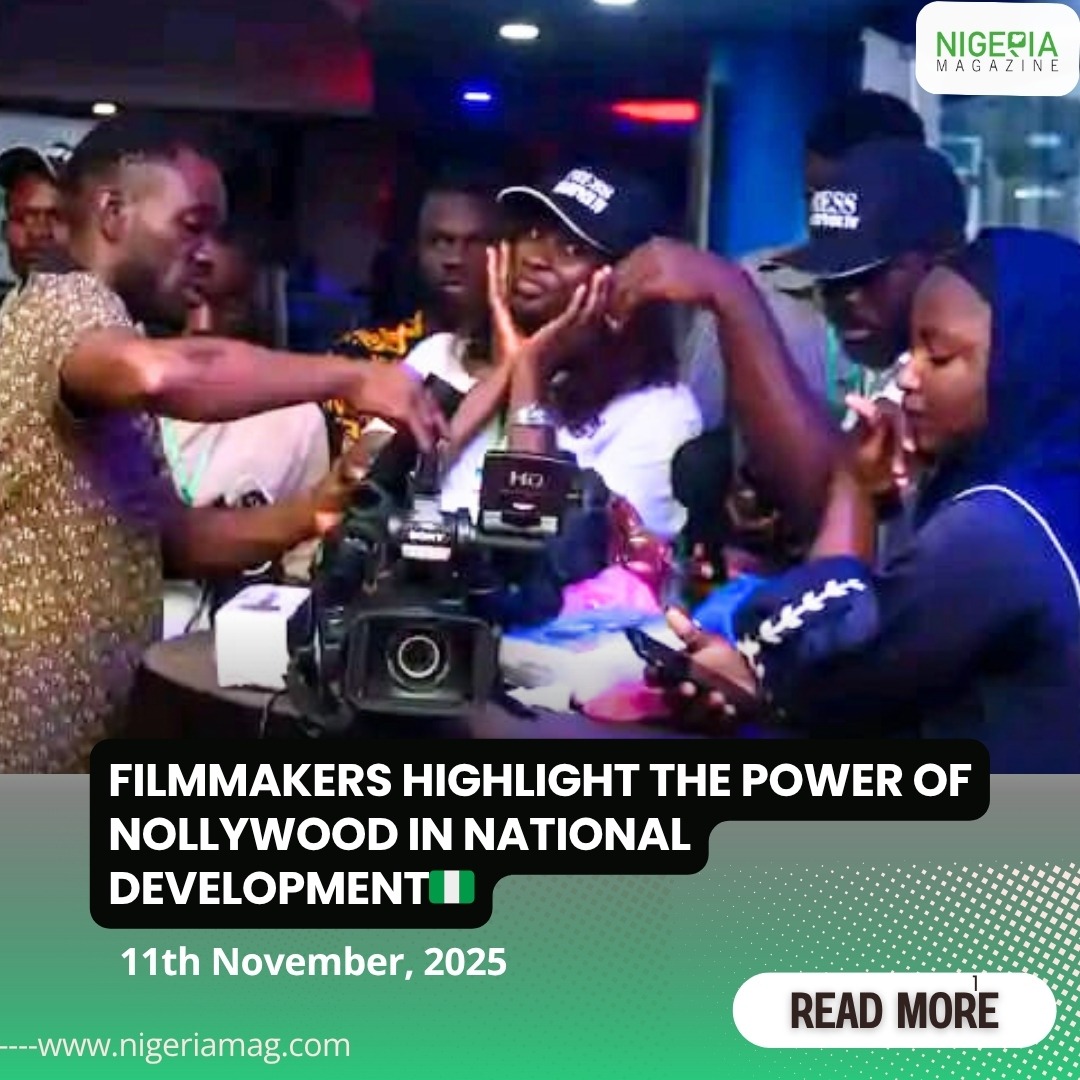
As Nigeria’s film industry continues to expand globally, filmmakers and policymakers say Nollywood’s influence goes beyond entertainment, it’s redefining the nation’s image, creating jobs, and driving social and economic growth.
Behind every scene, story, and screen in Nollywood lies more than just entertainment, there lies a movement shaping Nigeria’s image, identity, and social consciousness. This was the shared sentiment among creative minds who gathered recently at the Abuja International Film Festival in Abuja, where filmmakers and government representatives explored the growing influence of the film industry in driving national development.
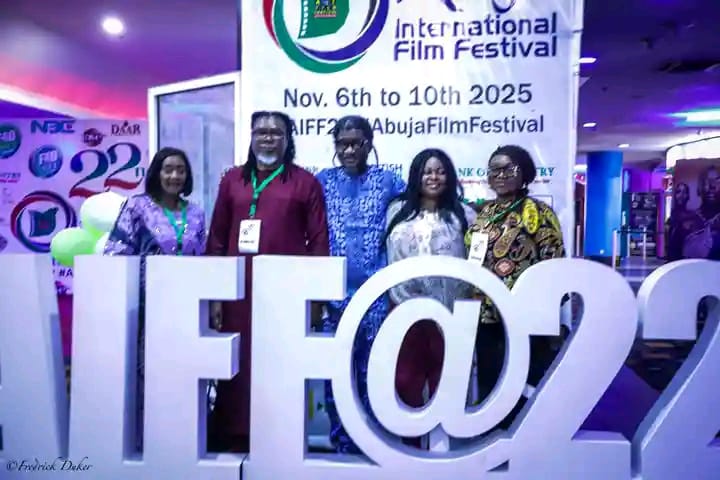
Renowned filmmaker and festival director Fidelis Duker set the tone for the conversation, stressing that Nigerian films have become more than a source of leisure. According to him, storytelling through film is a powerful tool for promoting culture, preserving heritage, and reflecting the realities of the people.
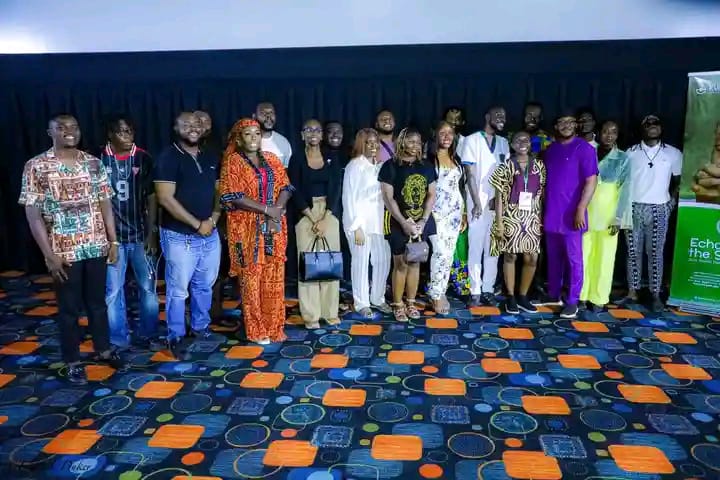
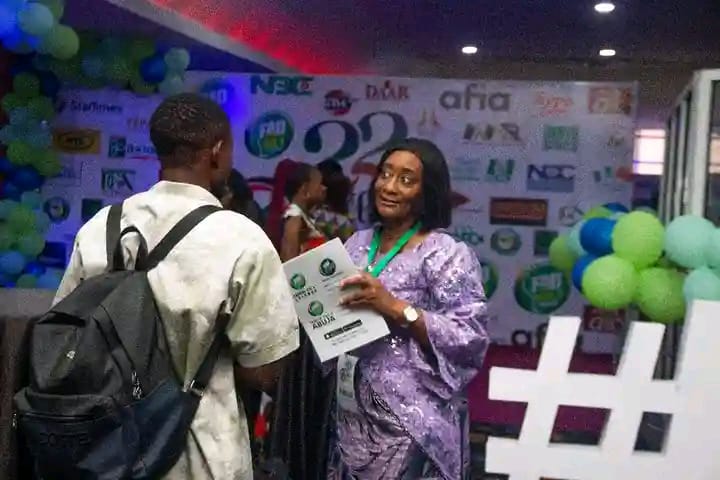


“Our films carry our identity, they tell the Nigerian story to the world,” Duker said. “Beyond entertainment, Nollywood has created jobs, built careers, and given hope to millions of young creatives.”
Indeed, Nollywood has grown into one of the world’s largest film industries, second only to India’s Bollywood. It contributes over ₦700 billion annually to Nigeria’s Gross Domestic Product and provides more than one million jobs directly and indirectly. The industry produces over 2,500 movies each year, reaching audiences across Africa, Europe, and the Americas through streaming platforms such as Netflix and Amazon Prime Video.
Representing the government’s perspective, Mr. Temitope Ajayi, the Senior Special Assistant to the President on Creative Industry, reaffirmed the administration’s recognition of Nollywood as a vital national asset. He noted that the President remains committed to supporting the creative economy through favourable policies, capacity development, and infrastructure.
According to Ajayi,
“The creative industry is one of Nigeria’s strongest soft power tools, The President understands its potential to reshape narratives, create jobs, and promote national unity.”
Veteran actor and producer Francis Duru also spoke on the transformative influence of film in shaping social behaviour and public dialogue. According to him, movies can help drive social change by addressing national issues such as corruption, gender equality, and youth empowerment.
“Film is a mirror of society,” Duru explained. “It reflects our challenges but also our strength and resilience as a people.”
Participants at the festival agreed that with stronger government backing, particularly in areas like funding, training, and infrastructure, the Nigerian film industry could reach even greater heights, strengthening its place as a cultural and economic powerhouse on the African continent.
From the bustling streets of Lagos to global red carpets, Nollywood continues to showcase Nigeria’s creative spirit. Its influence extends beyond screens, shaping fashion, music, tourism, and diplomacy. With the right support, experts believe the creative economy could become one of the nation’s most powerful engines for growth and social transformation.
Ubong Usoro for Nigeria Magazine

