


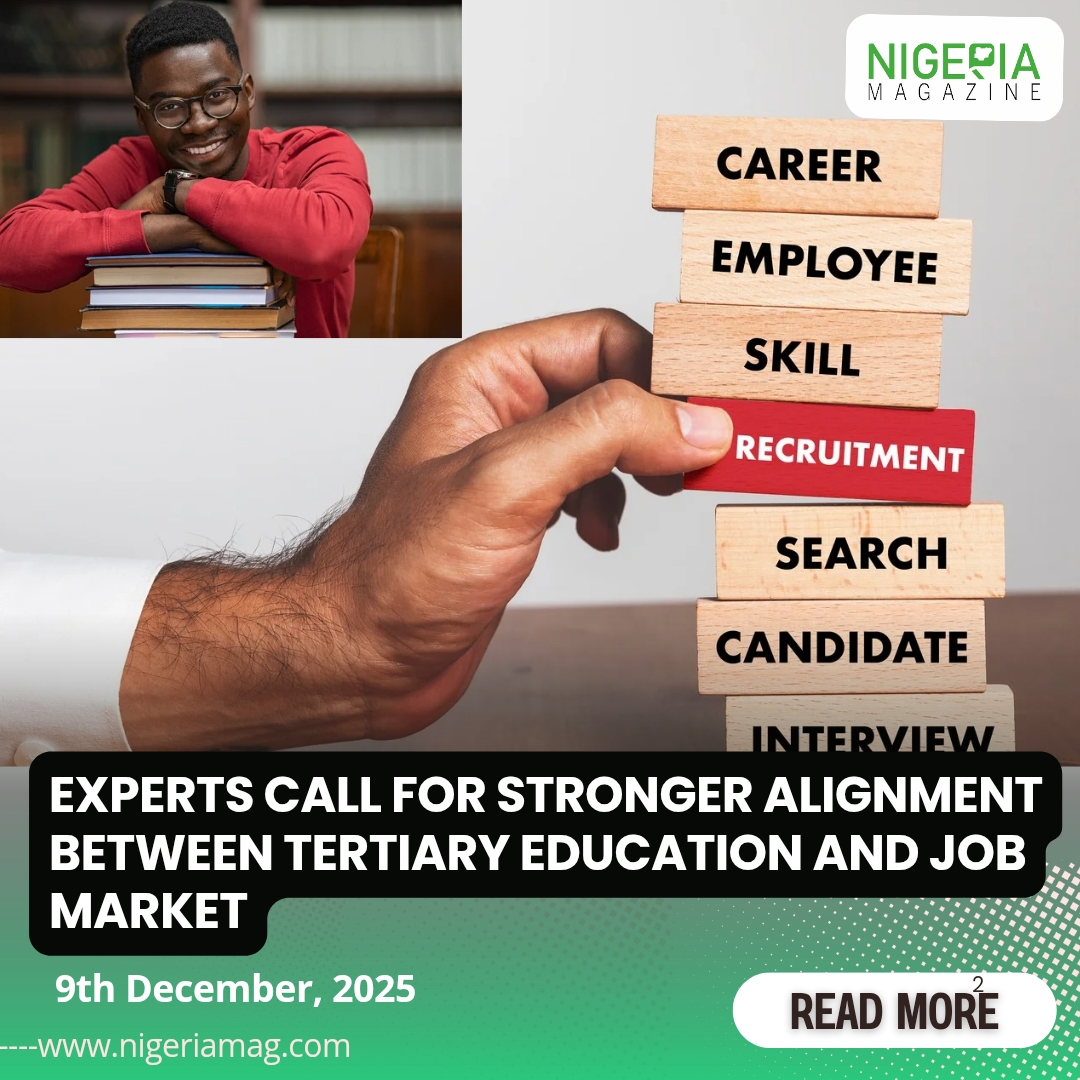
Education and labour stakeholders have raised fresh concerns over the widening disconnect between Nigeria’s university training and the realities of the job market, as thousands of young graduates continue to face unemployment and underemployment upon completion of their studies.
Despite a steady rise in the number of degree holders, analysts say the availability of decent jobs remains limited, pushing many graduates into informal work, temporary gigs or small-scale entrepreneurship for survival.
Observers argue that the situation highlights the urgent need for Nigeria’s higher education system to shift from a predominantly theoretical model to one that places greater emphasis on practical skills, innovation and employability.
Industry experts are calling for stronger collaboration among universities, government agencies and private sector leaders in order to design career-driven curricula, expand internship opportunities and promote entrepreneurship development.
Across the continent, labour market trends show that academic qualifications alone are no longer sufficient. Career coaches note that attributes such as creativity, adaptability and problem-solving abilities now play a significant role in workforce competitiveness.
Stakeholders insist that if Nigeria must address youth unemployment effectively, strategic reforms are needed to ensure that learning outcomes translate into meaningful participation in the labour economy.

