


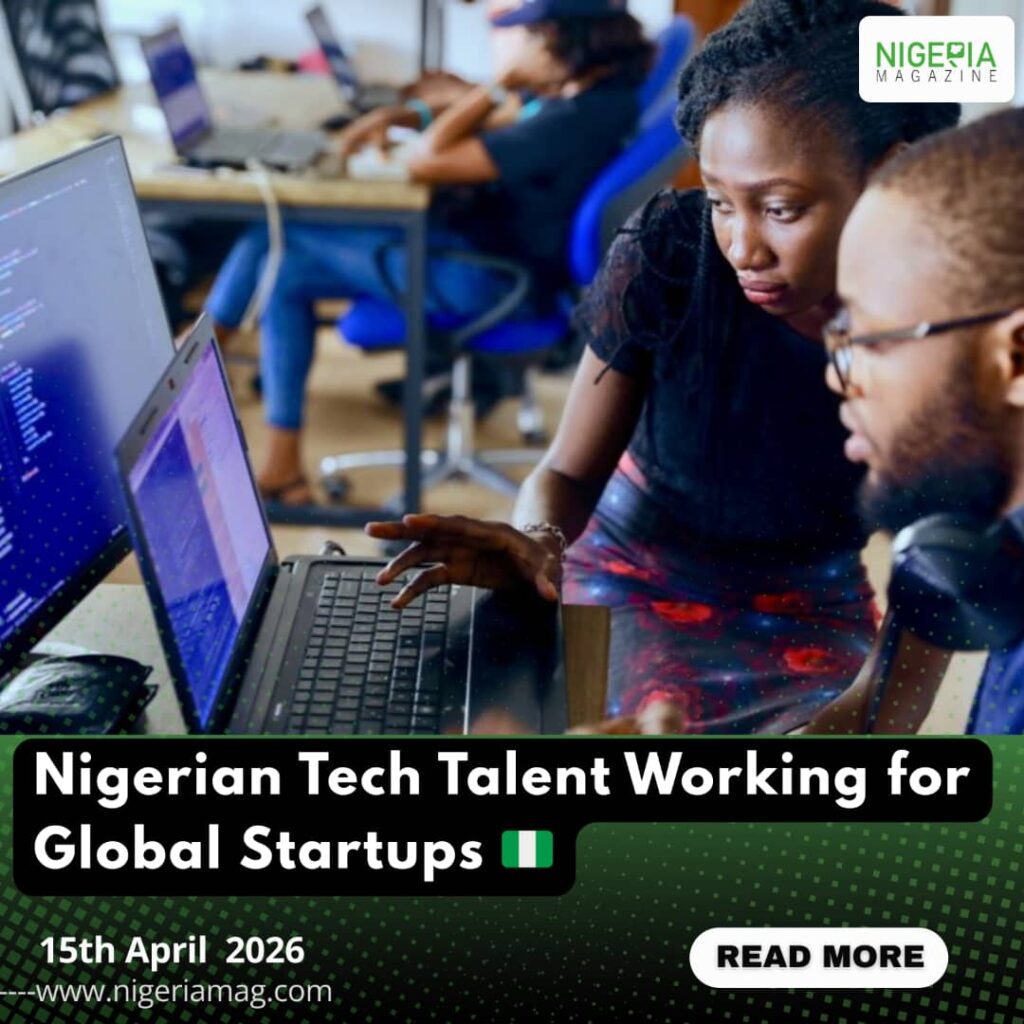
Why international companies are increasingly hiring Nigerian developers, engineers, and designers🇳🇬
In 2026, a quiet but powerful shift is redefining the global technology workforce: Nigerian tech professionals are no longer just participants in the digital economy—they are becoming some of its most sought-after contributors. From software engineers in Lagos to product designers in Abuja and data analysts working remotely across continents, Nigerian talent is increasingly powering startups in Silicon Valley, London, Berlin, and beyond.
This trend is not accidental. It is the result of structural global changes, combined with Nigeria’s rapidly maturing tech ecosystem, demographic advantages, and a growing reputation for high-quality, cost-effective digital expertise.
A Growing Global Demand for Talent
One of the primary drivers behind the surge in hiring Nigerian tech professionals is a global shortage of skilled workers. Across Europe and North America, companies are struggling to fill engineering and digital roles, with talent gaps widening year after year. (Eryk)
Startups, in particular, face intense pressure to build quickly while managing costs. Hiring locally in traditional tech hubs has become increasingly expensive, prompting companies to look outward. Nigeria, with its large and youthful population, has emerged as a compelling alternative.
With over 1.1 million developers, Nigeria boasts one of the largest tech talent pools in Africa. (nextbewe.com) This scale, combined with a strong culture of self-learning and adaptability, makes Nigerian professionals highly attractive to global employers.
Lagos: From Local Hub to Global Talent Engine
At the center of this transformation is Lagos, now widely recognized as one of the fastest-growing tech talent cities in the world. (alpha-global.org) The city’s rise has been fueled by a mix of startup activity, venture capital inflows, and a digitally native workforce.
In 2025, Lagos was ranked the fastest-growing tech ecosystem globally, ahead of cities like Istanbul and Mumbai. (Where Founders are Stars) This recognition underscores a broader shift: Lagos is no longer just Africa’s tech capital—it is becoming a global sourcing hub for engineering talent.
International companies are increasingly tapping into this ecosystem, not just for outsourcing, but for building core product teams. Nigerian developers are now embedded in global workflows, contributing to mission-critical systems and products.
The Remote Work Revolution
The normalisation of remote work has accelerated this trend dramatically. What began as a necessity during the COVID-19 pandemic has evolved into a long-term hiring strategy for many companies.
Organizations no longer need to relocate talent to access it. Instead, they can hire Nigerian engineers to work remotely while remaining fully integrated into global teams. Platforms and companies like Andela have played a pivotal role in this shift, connecting African developers with international opportunities and demonstrating the viability of distributed teams.
Remote work has effectively erased geographic barriers, allowing Nigerian professionals to compete—and thrive—on a global stage.
Cost Efficiency Without Compromising Quality
Another major factor is cost. Hiring developers in Nigeria is significantly more affordable than in Western markets, yet the quality of work remains highly competitive. (H-SETS Digital & IT Solutions)
For startups operating with limited budgets, this creates a powerful value proposition: access to skilled talent at a fraction of the cost. However, this is not simply about cheaper labor.
Increasingly, companies report that Nigerian developers bring strong problem-solving skills, resilience, and creativity—traits shaped by navigating complex local challenges.
This combination of affordability and capability makes Nigerian talent particularly attractive for high-growth startups seeking both speed and efficiency.
A Strong Pipeline of Emerging Talent
Nigeria’s tech talent boom is also being fueled by deliberate efforts to build a future-ready workforce. Government and private sector initiatives are investing heavily in digital skills development.
One notable example is the 3 Million Technical Talent Programme (3MTT), which aims to train three million Nigerians in high-demand tech skills by 2027. This includes areas such as artificial intelligence, cloud computing, cybersecurity, and software engineering.
In addition, innovation hubs like Ilorin Innovation Hub and community-driven initiatives such as hackathons and developer programs are nurturing the next generation of talent.
These efforts are creating a steady pipeline of globally competitive professionals, ensuring that Nigeria’s role in the global tech ecosystem will continue to expand.
Diaspora, Networks, and Global Exposure
Another underappreciated factor is the influence of the Nigerian diaspora. Many Nigerian professionals who have worked abroad are now founding startups, mentoring local talent, or building bridges between Nigeria and global markets.
This cross-border exchange has improved standards, introduced global best practices, and increased trust in Nigerian talent among international employers. (ProDevs)
As a result, hiring Nigerian developers is no longer seen as a risk—it is increasingly viewed as a strategic advantage.
Flexibility and Scalable Hiring Models
Global startups are also drawn to the flexibility of hiring in Nigeria. Through models such as Employer of Record (EOR) services, companies can onboard Nigerian talent quickly without establishing a local legal entity. (africa-hr.com)
This allows startups to scale teams up or down based on business needs, test new markets, and build distributed teams with minimal friction. In a fast-moving startup environment, this level of agility is invaluable.
Challenges and the Road Ahead
Despite these opportunities, challenges remain. Infrastructure issues such as unreliable power supply and high internet costs continue to affect productivity. Additionally, the ongoing “brain drain”—where top talent emigrates for better opportunities—poses a risk to local ecosystem growth.
However, even this challenge has a silver lining. Many Nigerian professionals who relocate continue to work with or for global companies, further strengthening Nigeria’s position in the global talent network.
A New Global Talent Frontier
The rise of Nigerian tech talent reflects a broader shift in how the world thinks about work, geography, and innovation. Talent is no longer confined to traditional hubs—it is distributed, dynamic, and increasingly global.
For international startups, hiring Nigerian developers, engineers, and designers is not just about cost savings. It is about accessing a deep, diverse, and rapidly growing pool of talent that is shaping the future of technology.
As Nigeria continues to invest in digital skills, infrastructure, and innovation, its role as a global tech talent powerhouse is only set to grow. In the coming years, the phrase “built by a global team” will increasingly include one constant: Nigerian talent at its core.
