


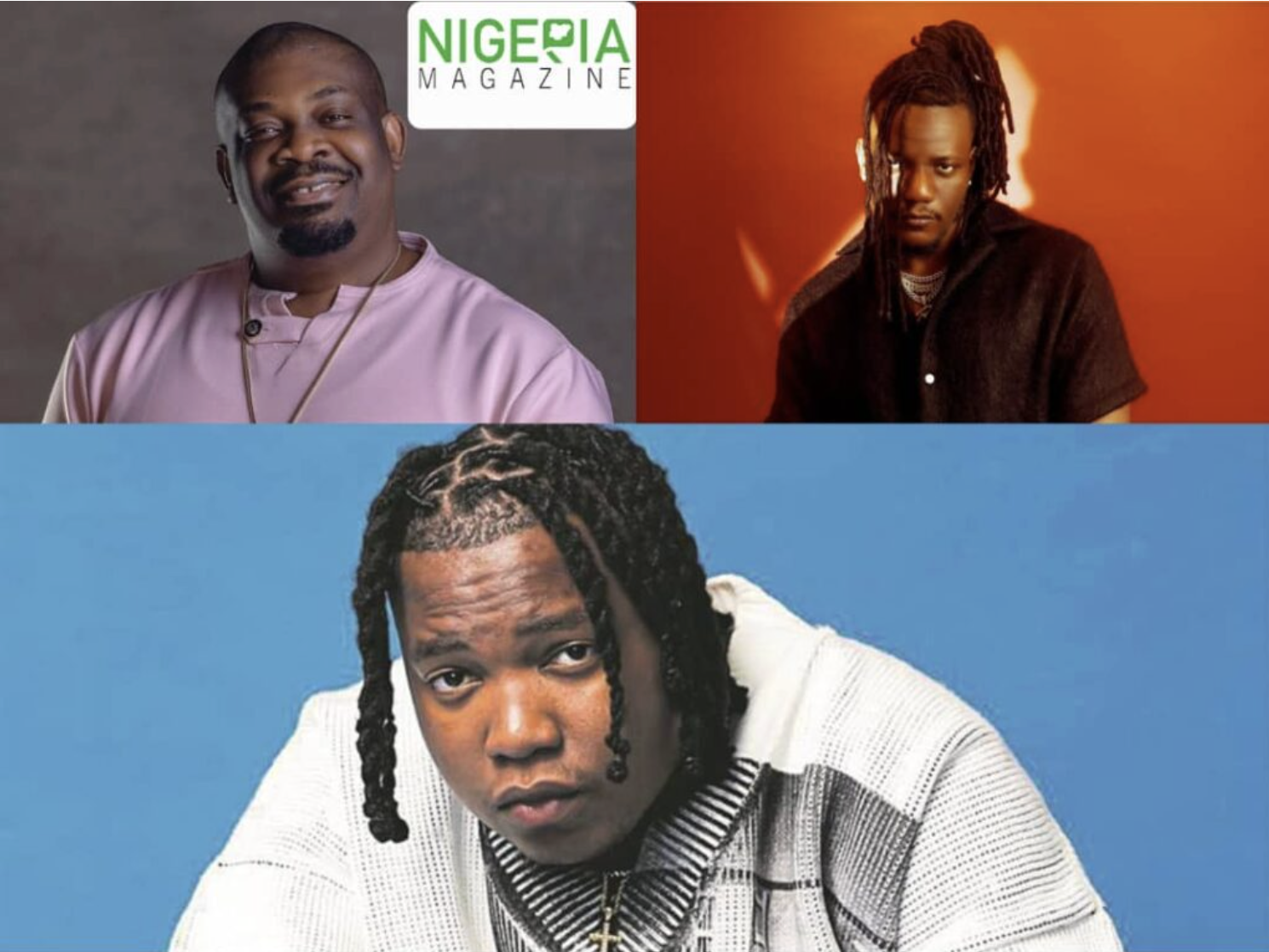

A deep dive into the creatives shaping Afrobeats and international pop collaborations
Over the past decade, Afrobeats has transformed from a regional sound into a global cultural force. Nigerian artists now regularly dominate international charts, sell out arenas worldwide, and collaborate with pop superstars.
But behind these successes lies a group of influential architects who often remain out of the spotlight: the producers.
These producers are responsible for crafting the sonic DNA of Afrobeats — blending traditional African rhythms with hip-hop, R&B, dancehall, and electronic music. Their work is now shaping not just Nigerian music but the broader direction of global pop.
The Producers Behind the Afrobeats Boom
At the heart of Afrobeats’ global success are producers who have developed distinctive sounds that resonate far beyond Africa.
One of the most influential figures is Don Jazzy. As the founder of Mavin Records, he has helped cultivate some of the continent’s biggest stars, including Rema and Ayra Starr. Beyond producing hits, Don Jazzy has built an ecosystem for talent development, demonstrating how producers can shape an entire industry. (Shore Africa)
Another key figure is Pheelz, whose signature blend of melodic hooks and rhythmic percussion has powered numerous Afrobeats hits. His ability to fuse commercial pop sensibilities with traditional Afrobeats rhythms has made his productions highly adaptable for global audiences and streaming platforms. (Shore Africa)
Producers like Kel-P have also become synonymous with genre-blending innovation. Kel-P’s work merges Afrobeats with R&B and global pop elements, making him a frequent collaborator on cross-continental projects. His production tag, “It’s Kel-P vibes,” has become instantly recognizable among fans worldwide. (Shore Africa)
Meanwhile, Sarz continues to push sonic boundaries, incorporating EDM, amapiano, and alternative sounds into Afrobeats. His experimental approach demonstrates how producers are constantly evolving the genre rather than allowing it to stagnate. (The Guardian)
Global Hits Built in Nigerian Studios
Some of the biggest global Afrobeats records owe their success to Nigerian producers working behind the scenes.
British-Nigerian producer Thisizlondon co-produced Calm Down, which later received a remix featuring Selena Gomez. The song became one of the most successful Afrobeats tracks in history, reaching the top tier of global charts and introducing millions of listeners to the genre. (Wikipedia)
Another major force is KDDO (formerly Kiddominant), whose work bridges Afrobeats and international pop. He produced Fall, widely regarded as one of the tracks that helped push Afrobeats into the U.S. mainstream, and also contributed to Under the Influence, which performed strongly on the Billboard charts. (Wikipedia)
These examples illustrate a growing trend: Nigerian producers are no longer confined to regional markets. They are now shaping hits for global superstars and redefining what international pop sounds like.
Cross-Continental Collaborations
The global reach of Afrobeats has also been driven by collaborations between African artists and Western pop stars. Major Nigerian artists such as Wizkid, Burna Boy, and Davido have collaborated with artists like Drake, Justin Bieber, and Nicki Minaj. (NigeriaWorld)
But these partnerships often begin at the production level. Nigerian producers bring rhythmic patterns, percussion styles, and melodic structures that Western pop producers increasingly seek.
The result is a new hybrid sound — one where Afrobeats drums meet global pop songwriting.
This cross-pollination has made Afrobeats a central influence in modern music, similar to how hip-hop shaped global pop in the 2000s.
Streaming Platforms and the Rise of Producer-Driven Hits
The digital era has accelerated the global reach of Nigerian producers. Platforms like Spotify, Apple Music, and TikTok allow producers to create sounds that travel instantly across continents.
Producers such as P.Priime and Tempoe have used streaming culture to their advantage. Their beats often combine catchy rhythm patterns with viral-ready hooks — a formula that works well in short-form content and international playlists. (The Guardian Nigeria)
The growing influence of producers also reflects a shift in how music is made. Instead of artists dictating the sound, producers increasingly set the creative direction of songs and albums.
A New Era of Cultural Influence
The global rise of Afrobeats reflects a broader cultural shift in which African creativity is reshaping international entertainment. Music analysts often point to Afrobeats as a major element of Africa’s expanding cultural “soft power,” alongside film and fashion. (The Times)
Producers are at the center of this transformation. By experimenting with new rhythms, blending genres, and collaborating across borders, they are pushing Afrobeats into new sonic territories.
Their influence can now be heard in unexpected places — from K-pop tracks incorporating Afrobeats rhythms to Western pop artists adopting African percussion patterns.
The Future of the Afrobeats Sound
As Afrobeats continues to expand globally, the role of producers will only grow more significant. Industry observers believe the next phase of the genre will involve even deeper collaborations between African producers and international pop artists.
For Nigerian producers, the challenge is to maintain authenticity while innovating for a global audience. But judging by their track record, they are more than capable of meeting that challenge.
From Lagos studios to Los Angeles chart-toppers, Nigerian producers are no longer just supporting acts in the music industry — they are shaping the soundtrack of the world.

