


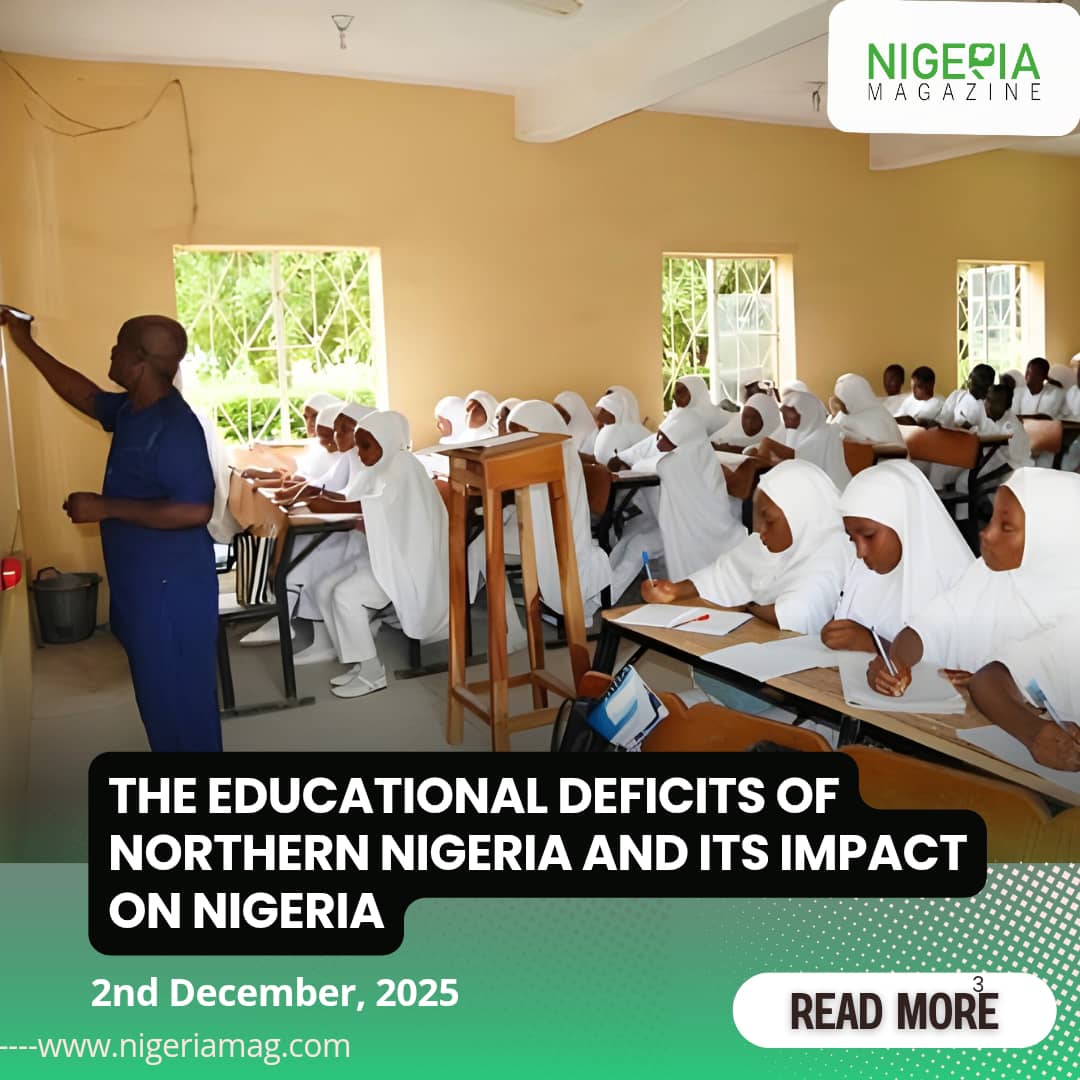
Education remains one of the most powerful tools for national development. It shapes human capital, drives innovation, reduces poverty, and strengthens civic participation. In Nigeria, however, deep regional disparities continue to undermine the nation’s collective progress. Nowhere is this more evident than in Northern Nigeria, where long-standing educational deficits pose significant challenges not only to the region but to the entire country.
- Historical and Structural Challenges
The roots of educational underperformance in the North run deep. Colonial policies prioritized Western education in the South while relying heavily on indirect rule and Islamic scholarship in the North. This created a foundational gap that has persisted for decades.
Compounded by inadequate investment in modern education infrastructure, limited access to quality teachers, and chronic underfunding, the region still struggles to catch up. Many communities face poor classroom conditions, overcrowded schools, and a shortage of trained educators—conditions that make effective learning difficult.
- Socioeconomic Barriers
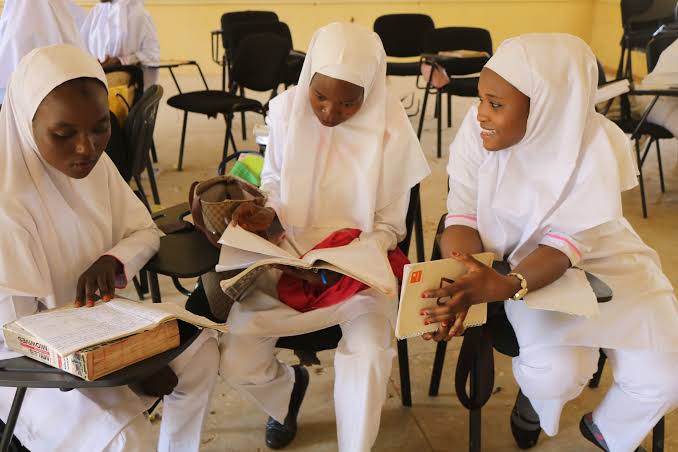
Poverty remains one of the strongest predictors of educational access, and Northern Nigeria bears a disproportionate share of Nigeria’s poverty burden. Families struggling to survive often prioritize immediate income over long-term schooling. This is common among rural households, where children—especially boys—are engaged in farming or street work, while girls are often kept out of school for early marriage or domestic roles.
The Almajiri system, though culturally significant, also contributes to the number of out-of-school children. Without adequate reform and integration into formal education, millions of boys continue to roam the streets without structured learning.
- Security and Instability
The rise of insecurity—Boko Haram insurgency, banditry, kidnapping, and communal clashes—has devastated education in many Northern states. Schools have been destroyed, teachers have fled for safety, and thousands of children have been forced out of classrooms.
Frequent school closures, especially for girls, deepen the crisis and widen the educational gap between North and South.
- Gender Disparities
Northern Nigeria faces some of the highest rates of female illiteracy and early marriage in Africa. Cultural norms, limited access to safe schooling, and the fear of abduction significantly limit girls’ educational participation. This reduces the region’s female workforce and has long-term consequences on maternal health, family income, and community development.
- Impact on Nigeria as a Whole
The educational deficits in the North are not regional problems—they are national challenges with widespread consequences:
a. Reduced Human Capital
Nigeria’s population growth is concentrated in the North. Without quality education, a large portion of the population remains unskilled, limiting national productivity and competitiveness.
b. Widening Poverty and Inequality
The North’s educational struggles feed into persistent poverty, creating economic divides that strain national unity and increase reliance on federal support.
c. Security Challenges
Uneducated youth are more vulnerable to radicalization and manipulation. The failure to provide quality education contributes indirectly to insecurity and social instability across the country.
d. Slower National Development
Nigeria cannot achieve its development goals when one region lags significantly behind. The imbalance affects workforce distribution, innovation, literacy levels, governance, and overall economic growth.
e. Reduced Social Cohesion
Educational disparities reinforce stereotypes, fuel mistrust, and deepen political and ethnic tensions. A nation divided in educational access is a nation divided in opportunity.
- Pathways to Change
Addressing these deficits requires systemic, multi-layered solutions:
Massive investment in educational infrastructure with a focus on rural communities.
Teacher training and incentives to attract qualified educators.
Reform of the Almajiri system to integrate it with modern education.
Safe-school initiatives to protect children and educators.
Community engagement and advocacy to support girls’ education.
Economic empowerment for families, ensuring children can remain in school rather than work for survival.
Conclusion
The educational deficits of Northern Nigeria are among the most pressing developmental challenges facing the nation. They undermine economic progress, fuel insecurity, and deepen inequality. Yet, with the right policies, investments, and collective commitment, the region can transform its educational landscape—and in doing so, strengthen Nigeria’s national fabric.
For Nigeria to rise, every region must rise. A nation’s future is only as strong as the education of its children, and Nigeria cannot afford to leave millions behind.

