


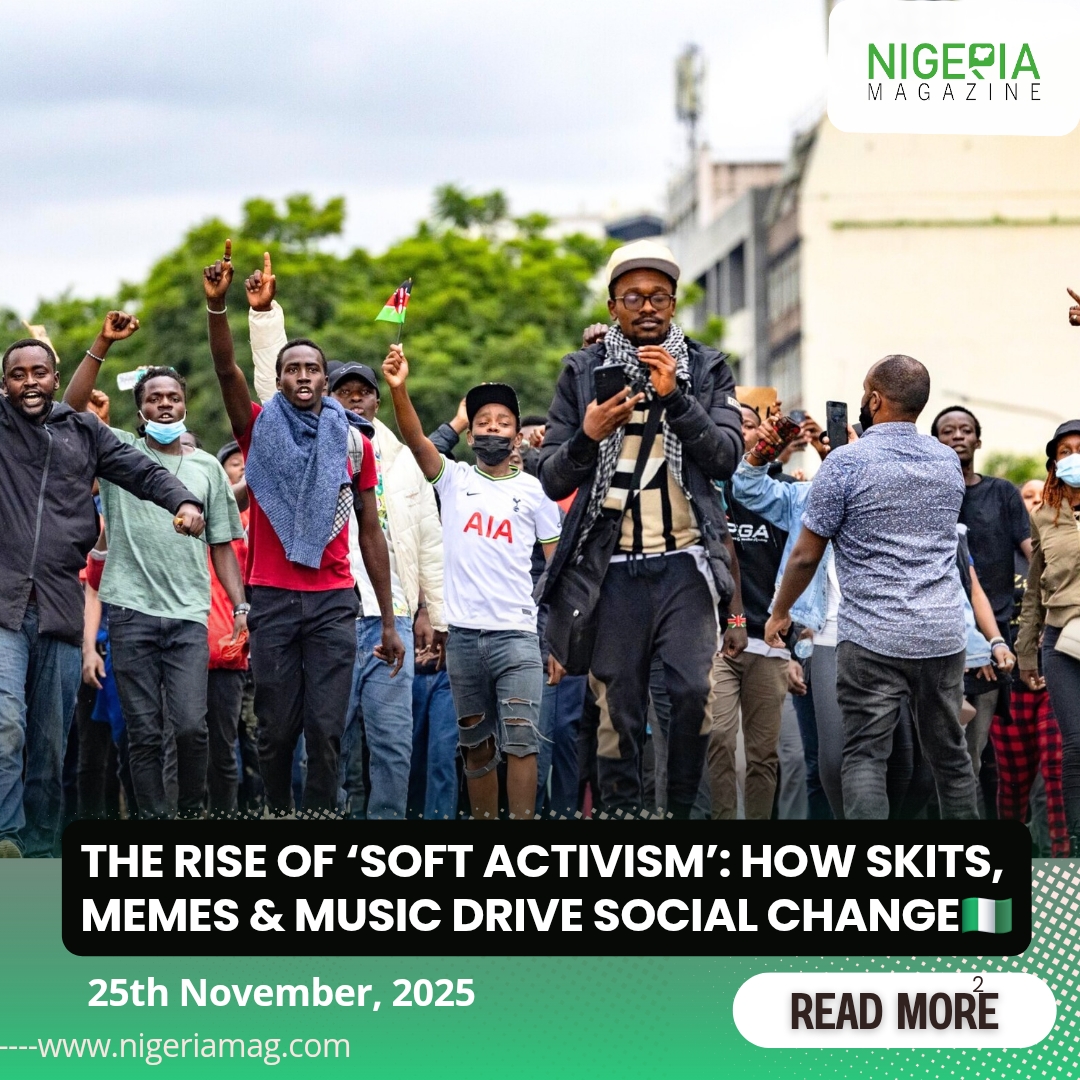
How Gen Z blends humour and activism to influence public conversations
In an era where attention spans are short and online content moves at breakneck speed, traditional activism is evolving. Petitions, protests, and policy debates still matter—but for Gen Z, they’re no longer the only tools in the fight for social justice. Enter “soft activism,” a growing movement where humor, storytelling, and entertainment become vehicles for raising awareness and reframing public discourse.
Soft activism doesn’t rely on formal calls to action. Instead, it flows through skits, memes, short videos, and music—formats that feel native to digital culture. By packaging social critique in accessible, shareable formats, Gen Z has turned activism into something more casual, omnipresent, and highly viral. While critics sometimes question its depth, there’s no denying that this new form of expression is shaping public conversations in surprisingly powerful ways.
What Exactly Is Soft Activism?
Soft activism refers to subtle, culturally embedded forms of advocacy that don’t always look like activism at first glance. Think TikTok comedy sketches that poke fun at corporate hypocrisy, Instagram memes highlighting gender politics, or viral songs calling out political leaders through satire.
Unlike traditional activism, which often aims at direct political mobilization, soft activism has a different primary goal: shift attitudes through cultural resonance. It speaks to people not by demanding action, but by offering entertainment that contains a critical message underneath.
For Gen Z—who grew up online, speak in memes, and often distrust formal institutions—this feels not only natural but necessary.
The Power of Humour
Humour lowers defenses. That’s why comedy has always been a powerful political tool, from Charlie Chaplin’s The Great Dictator to late-night television. But today’s humor-driven activism is more decentralised.
On TikTok, creators routinely use short skits to spotlight issues like climate change, labor rights, or reproductive health. A worker mocking their company’s unrealistic “wellness initiatives” becomes a commentary on burnout culture. A student joking about the cost of textbooks doubles as a critique of higher-education inequality.
This humour works because it’s relatable. It doesn’t preach. It lets audiences see themselves in the situation and feel the frustration behind the joke.
Most importantly, humor makes complex issues emotionally accessible. You might scroll past a 1,500-word article about immigration policy. But a 15-second video where someone jokingly reenacts their family’s struggles? That sticks.
Memes as Modern Protest Signs
Memes are the unofficial language of Gen Z, and they function like crowdsourced political cartoons.
During major elections, legislative debates, or global crises, memes spread faster than formal reporting. Their simplicity is their strength: a single image can distill an entire critique of power.
But memes also serve another function—community building. When thousands of people share the same joke about wealth inequality or climate inaction, it signals that the frustration is widespread. The meme becomes a digital protest sign held up collectively by millions.
Memes also allow marginalized voices to reclaim narratives. Communities use humor to spotlight stereotypes, challenge discrimination, and express solidarity. What once might have been seen as niche cultural commentary now travels across platforms, gaining new audiences and amplifying perspectives that mainstream media historically overlooked.
Music as an Emotional Catalyst
If memes are protest signs, music is emotional fuel. Gen Z artists—from independent TikTok creators to rising pop stars—use music to discuss racial injustice, mental health, identity politics, and the pressures of late-stage capitalism.
What makes this era unique is not just the messaging but the distribution. Songs with political undertones can explode on TikTok—attached to dance trends, POV videos, or comedic edits—spreading messages far beyond typical activist circles.
Soft activism thrives on this remixability. A track about social anxiety becomes an anthem for students overloaded by academic stress. A song criticizing political corruption gets layered over thousands of TikTok reactions, amplifying its impact.
This decentralized, participatory model ensures activism doesn’t feel like homework. It feels like community.
Why Gen Z Prefers Soft Activism
Several factors explain this generational shift:
- Disillusionment with Institutions
Many young people feel that governments, corporations, and traditional media have failed to address major crises—from climate change to economic instability. Soft activism is a way to reclaim agency.
- Digital Natives, Digital Tactics
Gen Z didn’t adapt to the internet; they grew up in it. Humor, memes, and music are simply their most intuitive communication tools.
- Emotional Sustainability
Traditional activism can be emotionally exhausting. Soft activism allows people to engage without burning out. It keeps difficult conversations approachable.
- Algorithmic Reality
Platforms reward content that is short, shareable, and emotionally engaging. Soft activism fits these demands perfectly.
Critiques and Limitations
Soft activism isn’t without its critics. Some argue it risks trivializing serious issues. Others worry that it encourages “slacktivism” instead of real engagement. A meme won’t replace legislation. A viral song won’t dismantle systemic inequality.
These concerns are valid—but they overlook the ecosystem of modern activism. Soft activism isn’t meant to replace traditional forms. It complements them. It raises awareness, sparks conversation, and brings new people into spaces they might otherwise avoid.
Connections formed through memes or music can become the foundation for deeper engagement—volunteering, campaigning, voting, or organizing. Many Gen Z activists seamlessly blend both worlds, moving from digital humor to real-world action.
A New Cultural Force
Soft activism represents a generational shift in how people relate to politics and social change. It reflects not apathy, but creativity—proof that activism can evolve alongside culture.
By embedding advocacy into humor, entertainment, and daily communication, Gen Z is making activism more accessible and less intimidating. They’ve shown that political awareness doesn’t always need to be stern or formal. Sometimes, it can be funny. Sometimes, it can be a song. Sometimes, it can be a meme that says more than a speech ever could.
Whether soft activism will lead to long-term change remains to be seen. But there’s no doubt it has already reshaped the digital public sphere—and turned everyday content into a quiet but persistent form of resistance.

