


In a renewed push to reform Nigeria’s petroleum sector and stabilise the economy, key industry stakeholders and government officials are calling for strengthened collaboration and the urgent implementation of the Petroleum Industry Act (PIA). The focus is shifting from long-standing challenges to new opportunities, though not without caution.
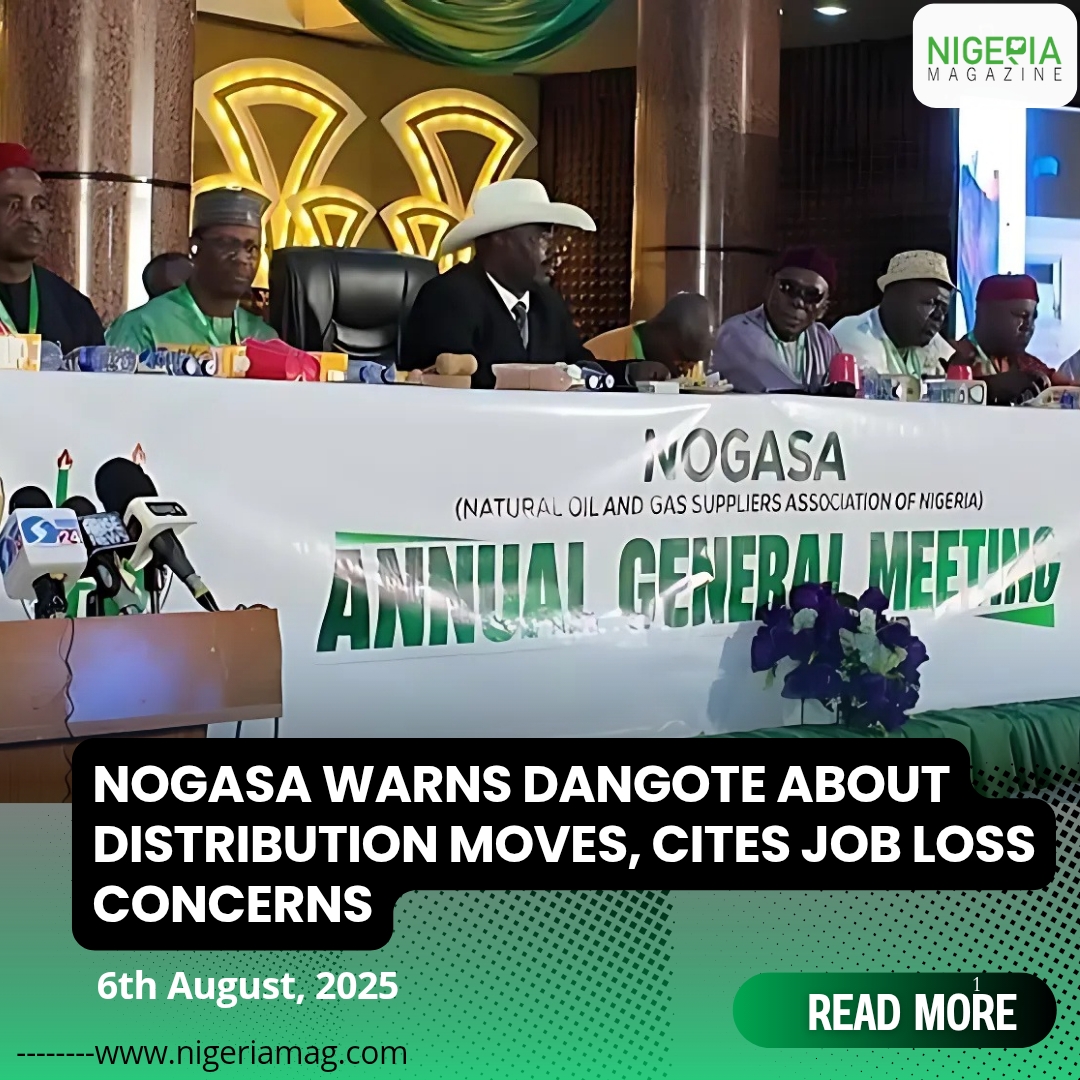
At a recent industry engagement, the Natural Oil and Gas Suppliers Association of Nigeria (NOGASA) issued a strong appeal to the Dangote Refinery, urging the company to reconsider any plans to expand into the distribution of petroleum products.
Speaking on behalf of NOGASA, its Chairman, Mr. Bennit Kori, expressed concern that such vertical integration could upend the supply chain and threaten thousands of jobs in the downstream sector.
“While we commend the Dangote Group for bringing in much-needed refining capacity, it is crucial to preserve the integrity of the distribution network. Entering into product distribution at this stage could lead to job losses and destabilise existing businesses,” Kori said.
The concern comes amid broader efforts to reposition the sector through the Petroleum Industry Act (PIA), which stakeholders describe as a key instrument for transparency, efficiency, and investor confidence.
Representing the House Committee on Downstream Petroleum, Hon. Sabas Adamu reaffirmed the government’s commitment to implementing the Act and promoting a level playing field across the value chain.
“Our focus is on full implementation of the PIA ensuring quality control, fair pricing, and modernised infrastructure,” Adamu noted. “Stakeholder engagement is critical in this reform process.”
Security in Nigeria’s oil-producing and maritime zones also featured prominently during the forum. Representing the Chief of Defence Staff, Rear Admiral Maina, Director of Logistics, highlighted recent gains in maritime security along key petroleum transport routes.
“From Bonny to Lagos, through the Lagos Fairway Buoy to Port Harcourt and Kanabaa, we have deployed enhanced security protocols. There’s been a noticeable drop in piracy and product theft in these areas,” Admiral Maina reported.
As Nigeria faces growing global competition and domestic demands, many believe that a carefully managed and inclusive energy transition is vital. Stakeholders agree that the combination of legislation, investment discipline, and security cooperation will shape the future of the petroleum industry.
Ubong Usoro for Nigeria Magazine

