


How Nigerian culture is strengthening the country’s international influence
In 2026, Nigeria’s global presence is no longer defined solely by its economic or political footprint. Instead, its cultural capital—expressed through film, food, and fashion—is emerging as one of its most powerful diplomatic tools. Across continents, Nigerian creativity is reshaping narratives, building soft power, and positioning the country as a dynamic force in global culture.
The Rise of Cultural Diplomacy
Cultural diplomacy refers to the use of a nation’s cultural assets to foster mutual understanding, influence perceptions, and strengthen international relationships. For Nigeria, this strategy has evolved organically. Rather than being orchestrated solely by government policy, it is driven by artists, filmmakers, chefs, and designers who carry Nigerian identity into global spaces.
This grassroots diplomacy is proving effective. It humanizes Nigeria, counters outdated stereotypes, and showcases the country as innovative, youthful, and culturally rich.
Nollywood: Storytelling Without Borders
Nigeria’s film industry, Nollywood, has become one of the most prolific in the world, producing thousands of films annually. But beyond volume, its global reach has expanded dramatically over the past decade.
Streaming platforms have played a pivotal role. Nigerian films are now readily available to audiences in North America, Europe, Asia, and beyond. Stories rooted in Lagos, Enugu, or Kano are resonating with viewers worldwide, offering authentic narratives that challenge monolithic portrayals of Africa.
In 2026, Nollywood is not just exporting entertainment—it is exporting perspective. Themes such as migration, identity, family dynamics, and social change are universal, yet distinctly Nigerian in their expression. This balance allows international audiences to connect emotionally while gaining insight into Nigerian society.
Film festivals and international collaborations have further amplified this influence. Nigerian directors and actors are increasingly participating in co-productions, bridging industries and fostering creative exchange. Through cinema, Nigeria is shaping how it is seen—and how it sees itself on the global stage.
Nigerian Cuisine: A Taste of Identity
Food has become another powerful channel of cultural diplomacy. Nigerian cuisine, once largely confined to diaspora communities, is now gaining mainstream recognition globally.
Dishes like jollof rice, suya, egusi soup, and puff-puff have found their way into international food festivals, upscale restaurants, and social media trends. Nigerian chefs are opening restaurants in major cities such as London, New York, Toronto, and Dubai, introducing diverse audiences to the country’s rich culinary heritage.
In 2026, the “Jollof Wars” may still spark playful debates across West Africa, but they have also elevated Nigerian cuisine into global conversation. Food bloggers, culinary influencers, and travel shows are spotlighting Nigerian flavors, turning them into symbols of cultural pride.
More importantly, Nigerian cuisine tells a story of diversity. With over 250 ethnic groups, the country’s food reflects a tapestry of traditions, ingredients, and techniques. Sharing these dishes abroad fosters cultural curiosity and appreciation, strengthening people-to-people connections.
Fashion: Tradition Meets Innovation
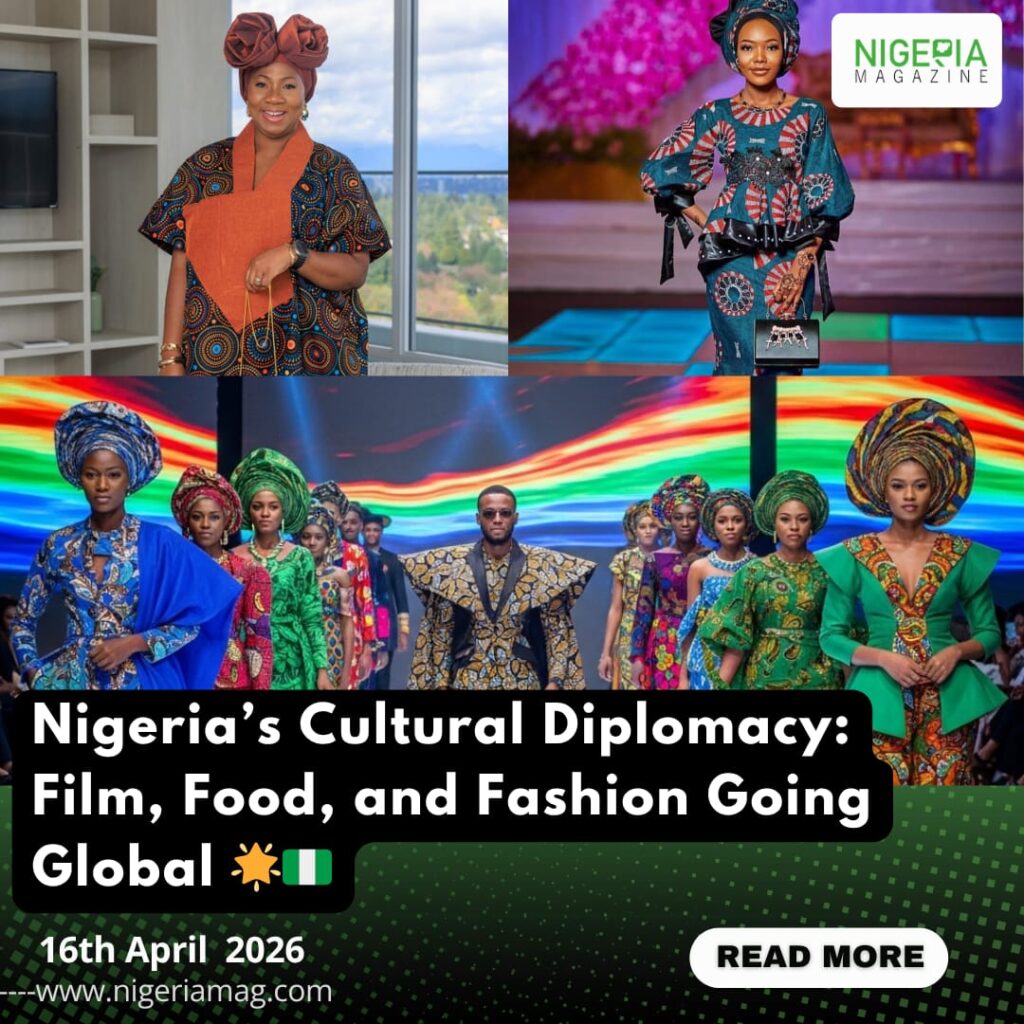
Nigeria’s fashion industry has become a global powerhouse, blending traditional aesthetics with contemporary design. From the intricate patterns of Ankara and Aso Oke to modern silhouettes showcased on international runways, Nigerian fashion is redefining African style.
Designers are gaining recognition at major fashion weeks, while celebrities and influencers worldwide are embracing Nigerian brands. The appeal lies in authenticity—bold colors, storytelling through fabric, and a celebration of heritage.
In 2026, Nigerian fashion is not just about clothing; it is about identity and narrative. Each piece often carries cultural significance, whether through motifs, craftsmanship, or symbolism. This storytelling aspect resonates with global audiences seeking meaning and uniqueness in what they wear.
The industry also contributes economically, creating jobs and supporting local artisans. As Nigerian fashion expands internationally, it strengthens the country’s creative economy while reinforcing its cultural influence.
Digital Media and the Amplification Effect
The global success of Nigerian culture is closely tied to digital platforms. Social media has become a key driver, allowing creators to bypass traditional gatekeepers and reach global audiences directly.
From viral dance challenges to cooking tutorials and fashion showcases, Nigerian content circulates widely, shaping trends and conversations. Influencers and creators act as informal cultural ambassadors, presenting Nigeria in ways that are relatable and engaging.
This digital amplification has made cultural diplomacy more accessible and decentralized. Anyone with a smartphone can participate in projecting Nigerian culture to the world.
Impact on International Perception
The global spread of Nigerian culture is gradually reshaping international perceptions. Where narratives once focused on challenges such as corruption or insecurity, there is now a growing appreciation for Nigeria’s creativity, resilience, and innovation.
Cultural exports build familiarity and goodwill. A viewer who enjoys a Nigerian film, a diner who loves jollof rice, or a fashion enthusiast who wears Nigerian designs develops a personal connection to the country. These connections can translate into tourism, investment, and stronger diplomatic ties.
Moreover, cultural diplomacy fosters pride among Nigerians at home and in the diaspora. It reinforces a sense of identity and belonging, encouraging further creative expression.
Challenges and Opportunities
Despite its successes, Nigeria’s cultural diplomacy faces challenges. Infrastructure gaps, funding limitations, and intellectual property concerns can hinder growth. Additionally, ensuring that creators are fairly compensated remains an ongoing issue.
However, these challenges also present opportunities. Strategic investment in the creative industries, supportive policies, and international partnerships can further strengthen Nigeria’s cultural influence.
There is also room for more structured collaboration between government and the creative sector. While much of Nigeria’s cultural diplomacy has been organic, a coordinated approach could amplify its impact even further.
The Future of Nigeria’s Soft Power
Looking ahead, Nigeria’s cultural diplomacy is poised to grow even stronger. As global audiences continue to seek diverse voices and authentic stories, Nigerian creators are well-positioned to lead.
Film, food, and fashion are not just cultural expressions—they are tools of influence. They shape narratives, build bridges, and redefine how nations are perceived.
In 2026, Nigeria’s global identity is being written not only in policy documents but also on movie screens, dining tables, and fashion runways around the world. Through its culture, Nigeria is telling its story—and the world is listening.
