



The recent resit of the 2025 Unified Tertiary Matriculation Examination (UTME) by the Joint Admissions and Matriculation Board (JAMB) brought both relief and renewed debate about the state of Nigeria’s examination system. After widespread outcry over the poor performance of candidates, JAMB admitted to technical and human errors and took the unusual step of conducting a resit for nearly 380,000 candidates in Lagos and the South-East. That decision proved crucial.
In the first round of UTME results released in early May, over 1.5 million candidates—roughly 79 percent of all who sat for the exam—scored below 200 marks. This caused an uproar among parents, students, and education stakeholders. Many argued that such mass failure pointed to deeper issues within JAMB’s operational system.
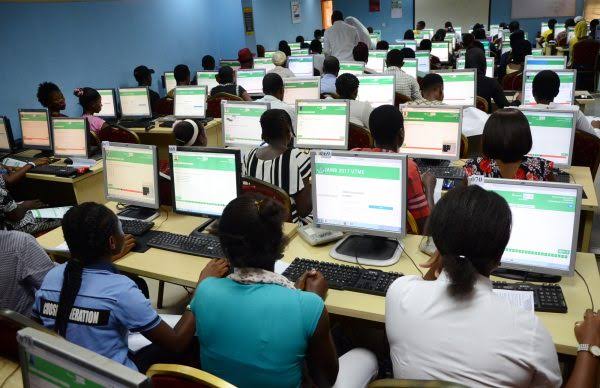
To its credit, JAMB responded with transparency. An internal investigation revealed that the problems stemmed from both technological failures and human lapses at several Computer-Based Test (CBT) centres. The board promptly organised a resit in affected regions and, in a rare show of accountability, the Registrar of JAMB, Professor Ishaq Oloyede, publicly apologised. Speaking during a press briefing, the Registrar said, “We are human and not above mistakes, but what matters is how we respond to them.” He was visibly emotional as he addressed the media an act that won him praise from some quarters.
The results from the resit tell an important story. Over 200,000 candidates who had initially scored below 200 in the original UTME crossed that average mark in the resit. This improvement shows that the poor performance wasn’t simply due to academic weaknesses, but rather a flawed process. It also vindicated many candidates who had expressed doubt over their initial scores.
This episode raises an important question: how can Nigeria’s examination system become more reliable and above reproach?
First, there is a clear need for more investment in technology. JAMB and other exam bodies must strengthen their digital infrastructure to prevent the kind of glitches that affected the 2025 UTME. CBT centres should be properly vetted, tested, and regularly monitored.
Second, transparency must become the standard. JAMB’s willingness to apologise and act is commendable, but other exam bodies must also adopt this level of accountability. When errors occur, exam regulators must be quick to admit faults and take corrective steps.
Third, Nigeria should consider setting up an independent oversight panel for national exams—comprised of education professionals, civil society groups, and tech experts. This would provide a second layer of checks and ensure that no candidate is unfairly assessed.
Fourth, there should be improved communication with candidates and the public. Timely updates, clear guidelines, and open feedback channels will help reduce anxiety and build trust in the process.
What JAMB has done with the resit is a step in the right direction. However, it must not end there. The goal should be to build a system that doesn’t need emergency repairs, but one that is strong, reliable, and fair from the start.
In a country where education remains the key to lifting millions out of poverty, our examination bodies must strive to be above reproach. The credibility of our national assessments is not just an academic issue—it is a matter of national development.
Ubong Usoro for Nigeria Magazine

