


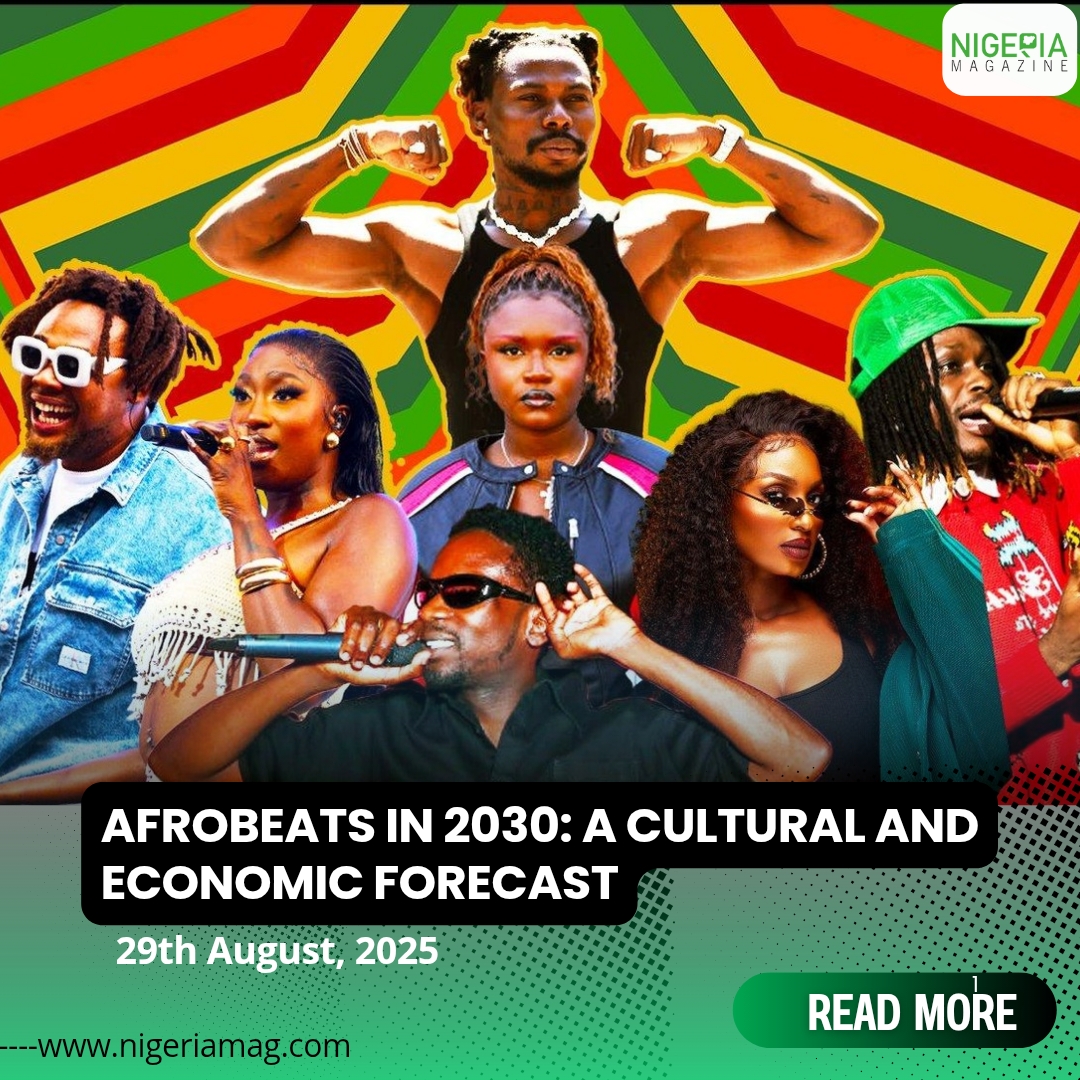
Over the past two decades, Afrobeats has evolved from a niche West African sound into a global phenomenon that rivals hip-hop, K-pop, and reggaeton in both reach and influence. By 2025, the genre has firmly cemented itself in mainstream music charts, fashion, film, and digital culture. As we look toward 2030, Afrobeats is poised to transform not just the cultural landscape but also the global economy of entertainment and creativity.
The Cultural Trajectory
Globalization of Afrobeats Sound
By 2030, Afrobeats is expected to become one of the most dominant global genres, with artists hailing not only from Nigeria and Ghana but also from Europe, the U.S., Asia, and Latin America. Already, collaborations with stars like Beyoncé, Drake, Ed Sheeran, and Bad Bunny have demonstrated Afrobeats’ universal appeal. By the end of this decade, it is plausible that a significant proportion of the Billboard Hot 100 and global streaming charts will feature Afrobeats or Afrobeats-inspired music.
Diversification of the Sound
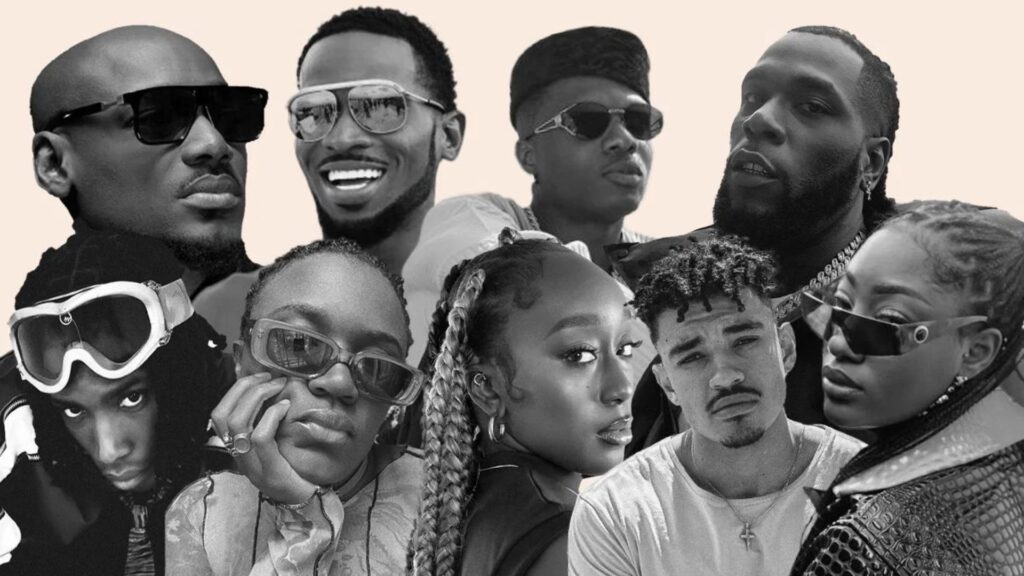
Afrobeats has never been a single sound but rather a mosaic of styles—Afropop, Afro-fusion, Afro-house, and even Afro-trap. By 2030, these subgenres will likely crystallise into distinct categories, each with its own fan base and cultural ecosystem. The fusion of Afrobeats with traditional genres like samba, flamenco, or Indian classical music could birth entirely new hybrid sounds that dominate both regional and global stages.
Cultural Soft Power
Just as K-pop bolstered South Korea’s cultural influence, Afrobeats is becoming Africa’s most powerful cultural export. By 2030, African cultural influence may rival Western dominance in music, fashion, and media. Afrobeats artists will increasingly serve as cultural ambassadors, reshaping global perceptions of Africa from a continent often viewed through the lens of struggle to one of creativity, innovation, and joy.
Economic Projections
Streaming and Digital Platforms
Streaming has been the lifeblood of Afrobeats’ global rise. By 2030, Africa’s rapidly expanding internet penetration and mobile adoption will create a new frontier for music consumption. African-owned streaming services may emerge as global players, challenging Spotify, Apple Music, and YouTube. Revenue from streaming in Africa alone is projected to multiply several times over, feeding directly into Afrobeats’ global dominance.
Concerts, Festivals, and Tourism
Afrobeats concerts already sell out stadiums across Europe and North America. By 2030, African cities like Lagos, Accra, Nairobi, and Johannesburg could become international music tourism hubs, attracting millions of visitors annually for Afrobeats festivals. The economic spillover would benefit airlines, hotels, restaurants, and local entrepreneurs, transforming Afrobeats into a cornerstone of Africa’s creative economy.
Fashion and Lifestyle Industries
The Afrobeats aesthetic—vibrant colours, bold prints, and an embrace of African heritage—is already influencing global fashion. By 2030, major luxury brands may collaborate with African designers as equals, while Afrobeats superstars will likely launch global lifestyle brands spanning fashion, fragrances, and tech. The rise of African-owned labels could shift billions in revenue from Western capitals to Lagos, Accra, and beyond.
Film, Gaming, and Cross-Industry Integration
By 2030, Afrobeats is expected to be a staple in Hollywood, Nollywood, and Bollywood soundtracks, as well as in gaming and virtual reality experiences. Imagine Afrobeats-driven metaverse concerts or rhythm-based video games with Afrobeats soundtracks. The synergy between music and emerging digital economies could create entirely new revenue streams for artists and investors alike.
Challenges on the Road to 2030
Infrastructure and Copyright
A major barrier remains inadequate infrastructure and weak copyright enforcement across African markets. For Afrobeats to truly maximise its economic potential, artists, labels, and governments will need to collaborate to strengthen intellectual property laws, expand broadband access, and build world-class studios and arenas.
Artist Welfare and Exploitation
As Afrobeats grows, so does the risk of exploitation. Ensuring fair contracts, mental health support, and equitable revenue sharing will be crucial to sustaining the genre’s long-term success.
Maintaining Authenticity
Global popularity often dilutes cultural authenticity. Afrobeats will need to balance global fusion with the preservation of its African identity to avoid becoming another homogenised pop genre.
Afrobeats in 2030
By 2030, Afrobeats is projected to stand not just as a genre but as a global cultural movement, comparable in scale to the hip-hop revolution of the 1980s and 1990s. Its economic contributions could surpass billions annually, transforming African cities into cultural capitals of the world. Most importantly, Afrobeats in 2030 represents a future where Africa is not just participating in global culture but leading it, shaping tastes, industries, and imaginations worldwide.
The rhythm of the future, it seems, will carry a distinctly African beat.

