


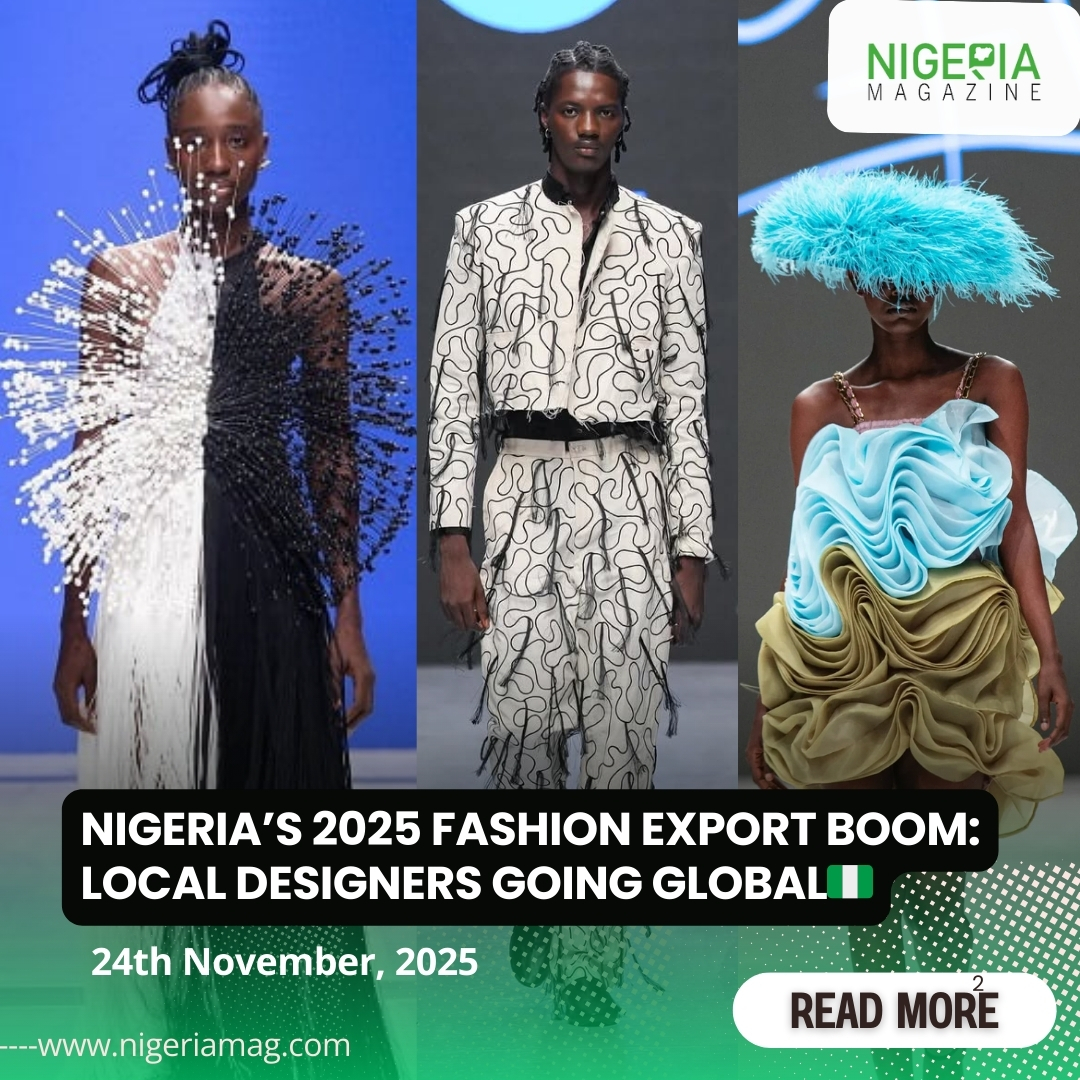
In 2025 Nigeria’s fashion industry moved from a regional sensation to a fast-growing export engine — a shift driven by designers who blend heritage and innovation, a stronger ecosystem of finance and trade support, and global buyers finally paying sustained attention to African creativity. The result: Nigerian labels that once sold primarily to local markets are increasingly showing on international runways, landing retail partnerships, and exporting finished garments, not just fabrics.
Designers at the vanguard
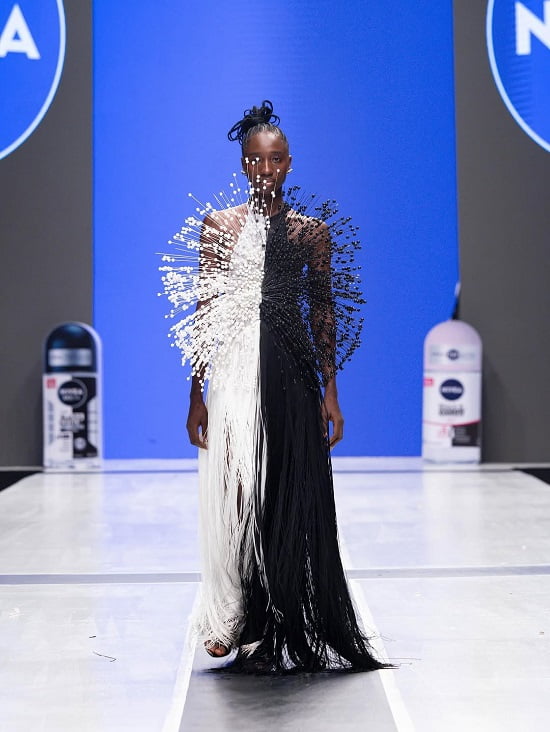
A new cohort of designers has become the public face of that export surge. Established names such as Lisa Folawiyo and Adebayo Oke-Lawal (Orange Culture) continue to translate West African techniques into internationally coveted ready-to-wear and luxury pieces. Emerging brands — from Iamisigo and Torishéju Dumi to Ejiro Amos-Tafiri, Ashluxe and other streetwear and couture innovators — have leveraged elevated production values, storytelling, and sustainable practices to reach buyers in Europe, North America and the Gulf. Several of these creatives were singled out in industry roundups and innovation lists in 2024–25, which highlight how Nigerian founders are reshaping luxury and contemporary fashion. (Vogue)
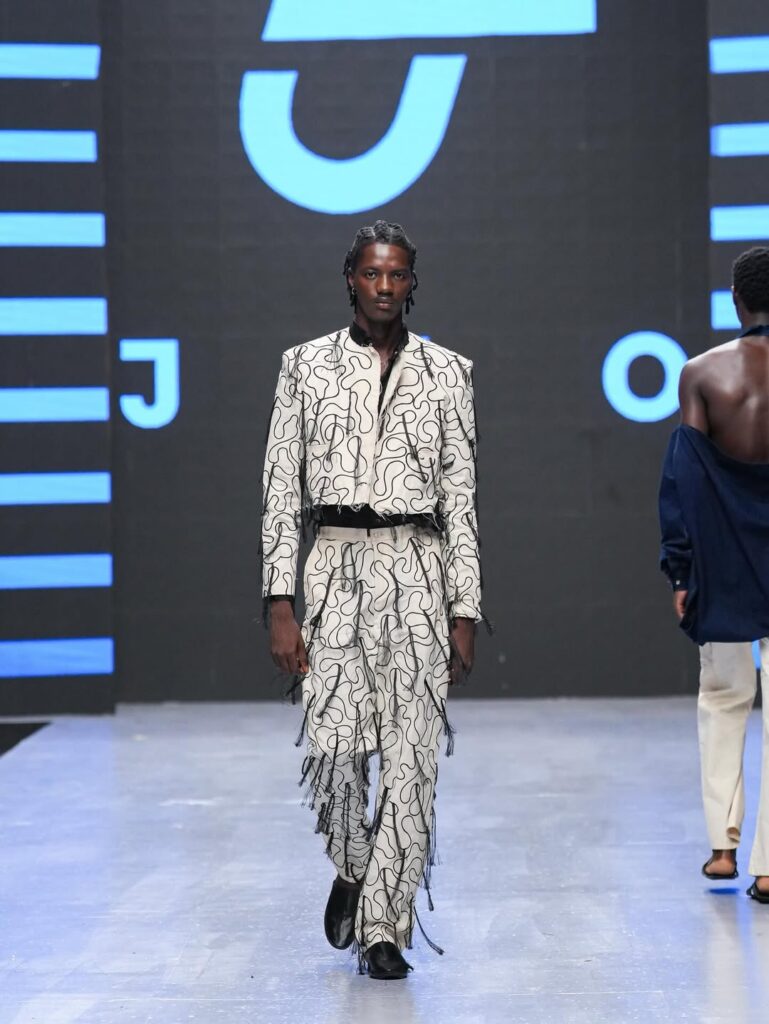
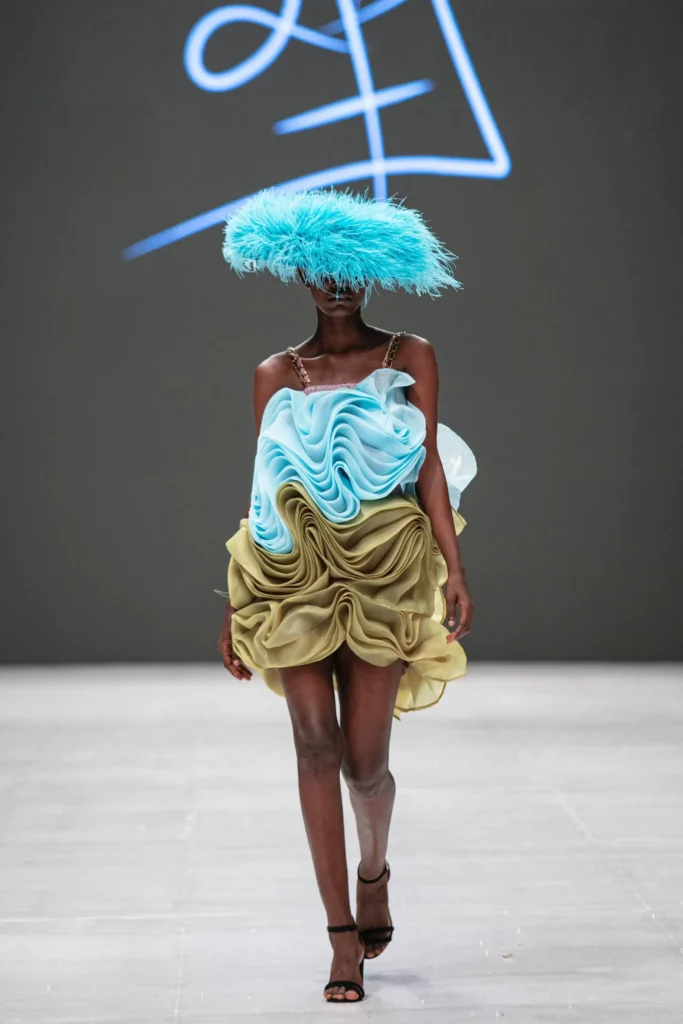
What distinguishes this group is not only aesthetic fluency — reworking Ankara, Akwete, beadwork and hand-weaving into modern silhouettes — but also an increasingly export-ready approach: tighter quality control, scalable small-batch production, and collaboration with regional manufacturers so labels can supply international orders reliably.
Platforms and prizes accelerating visibility
Lagos Fashion Week has evolved from a regional showcase into a global platform that buyers, editors and brands are watching closely. The event’s emphasis on sustainability and craft — and its growing partnerships with international institutions — has amplified Nigerian designers’ credibility abroad and helped place African design on the calendars of global buyers. In 2025 Lagos Fashion Week’s rising international profile was reinforced by major awards and partnerships that spotlighted its sustainability agenda. (Vogue)
Beyond runways, industry convenings — notably Afreximbank’s CANEX and its Deal Room — have created brokered connections between creatives and financiers, enabling fashion entrepreneurs to pitch bankable projects and secure growth capital and cross-border distribution deals. These finance-industry linkages are increasingly cited as pivotal in translating soft-power visibility into tangible export deals. (Afreximbank)
Institutional backing and trade tools
Crucial to the export story are institutional actors that reduced friction for creative exporters. The Nigerian Export Promotion Council (NEPC) has ramped up trainings, market intelligence and buyer matchmaking for non-oil sectors — including textiles and apparel — helping designers understand compliance, logistics and foreign market entry. That kind of technical support has helped convert runway acclaim into purchase orders and repeat exports. (NEPC)
On the continental level, development finance and export-credit bodies have signalled larger commitments to the creative economy. Afreximbank, for instance, has expanded programs and showcased deals that target cultural and creative supply chains — a shift that gives designers options for trade finance they lacked a few years ago. These flows of financing and advisory services are gradually addressing long-standing industry constraints such as working capital gaps and export documentation bottlenecks. (afreximbank.africa-newsroom.com)
The numbers and the potential
While hard, consolidated export figures for fashion alone remain fragmented, broader trends are clear: Nigeria’s non-oil export volumes increased in 2024–25, and analysts — including UNESCO and regional trade studies — have pointed to Africa’s fashion industry as an under-exploited export opportunity capable of significant growth if infrastructure and investment follow. In short: global demand exists; what’s changing is Nigeria’s ability to meet it at scale and to capture more value by exporting finished garments rather than only raw textiles. (AP News)
What’s enabling exports on the ground
Several practical shifts are making exports feasible for designers:
- Better supply chains: More local workshops are upgrading skills and equipment to meet international quality and timing expectations. • Sustainability and traceability: Global buyers increasingly prefer ethically produced lines; Lagos Fashion Week’s sustainability focus and brand commitments to circular practices help designers access conscious markets. (The Earthshot Prize) • Digital marketplaces and wholesale partnerships: Platforms that link African designers with global multi-brand retailers and e-commerce buyers are shortening the route to overseas customers. • Finance and matchmaking: CANEX/Deal Room and other finance initiatives reduce the financing gap for scaling production and fulfilling export orders. (Afreximbank)
Challenges that remain
The boom is not risk-free. Designers still face high import costs for equipment and trims, unreliable logistics, customs delays, and a domestic textile import bill that competes with local industry growth. Strengthening manufacturing capacity, reducing trade friction, and formalizing more of the value chain are essential if exports are to scale sustainably. There are also persistent questions around intellectual property and fair remuneration as brands enter licensing and wholesale deals abroad. (Facebook)
Looking ahead
If 2025 marked the year Nigerian fashion moved from cultural spotlight to trade opportunity, the next phase will be about consolidation: turning one-off shows and viral moments into repeatable export revenues, building regional manufacturing hubs that can deliver quality at scale, and deepening finance and logistics solutions tailored to creative enterprises. The ingredients are converging — creative talent, international attention, institutional support and financing — to make Nigeria not just a source of inspirational design but a serious competitor in the global fashion export market. (Vogue)
For global buyers and editors, the message is simple: Nigerian designers are no longer merely fashionable stories — they are partnerable, export-ready creators who bring unique craftsmanship, sustainability commitments and commercial potential. For Nigeria, harnessing that momentum means converting cultural capital into jobs, foreign exchange, and a durable industrial base built on creativity.
Sources: Lagos Fashion Week and international coverage; NEPC market support pages; Afreximbank/CANEX program releases; UNESCO/AP reporting on Africa’s fashion export potential; industry profiles including Vogue Business’ 2025 innovators. (The Earthshot Prize)

