


By Moses Chibuike Ezechukwu
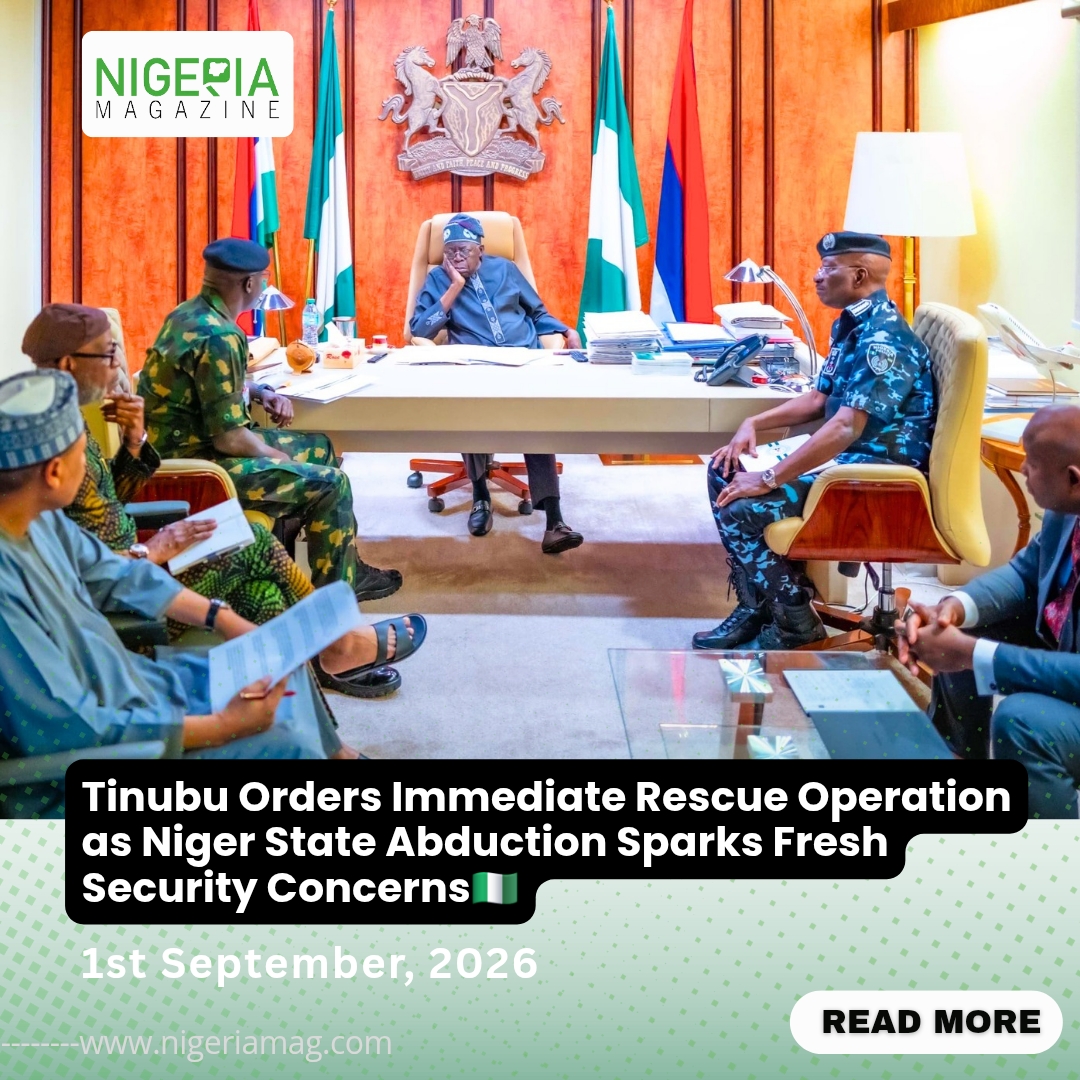
The President has ordered Nigeria’s security and intelligence agencies to mount an immediate, coordinated operation to rescue victims of a recent mass abduction in Niger State, following an attack that left families grieving and communities deeply shaken.
ABUJA — President Bola Ahmed Tinubu has directed the immediate mobilisation of Nigeria’s security and intelligence agencies to rescue victims of a recent mass abduction in Niger State, as the Federal Government moves to respond to another serious security challenge confronting the country.
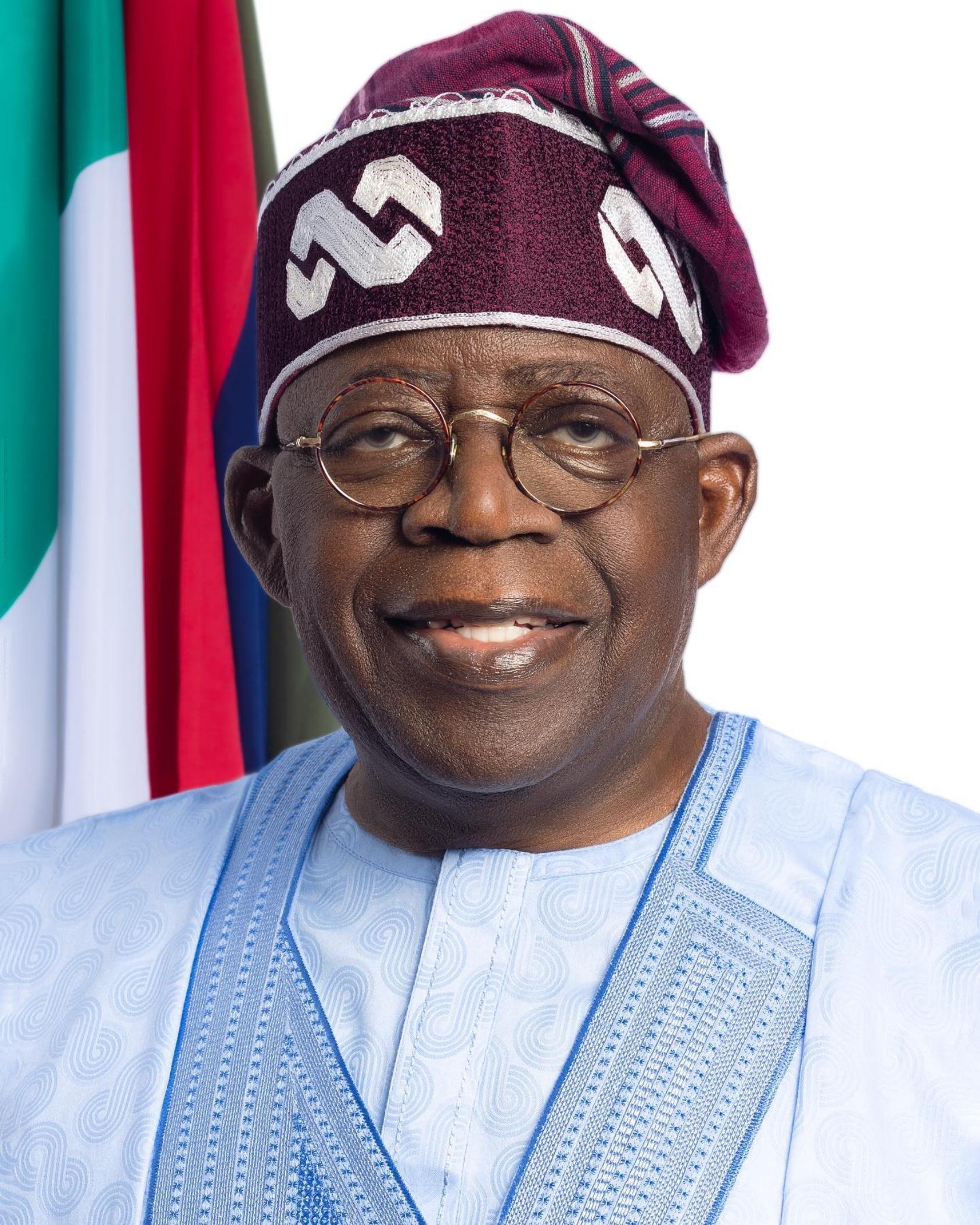
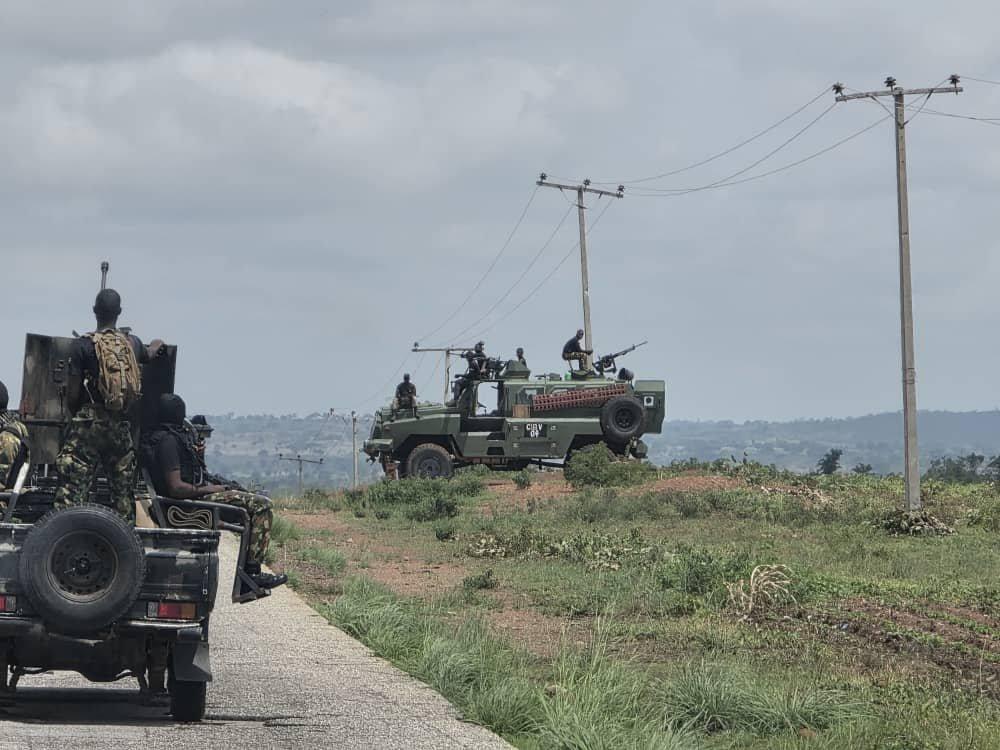
The directive places the Armed Forces, the Nigeria Police Force, the Department of State Services (DSS) and other relevant security and intelligence agencies on a coordinated mission to locate and bring the abducted Nigerians back to their families.
The order was contained in a statement issued by Bayo Onanuga, Special Adviser to the President on Information and Strategy, on August 25, 2026.
For families waiting for loved ones taken away by armed criminals, however, the announcement is more than another government statement. It is a promise that the search will continue until those missing are accounted for.
President Tinubu condemned the attack in strong terms, describing the perpetrators as “enemies of peace and enemies of humanity” and insisting that those responsible would not escape justice.
The President also expressed condolences to families who lost loved ones in the violence.
He acknowledged the pain of those now facing the uncertainty that comes with abduction — a situation in which every passing hour can feel unbearably long for relatives waiting for a phone call or any sign that their loved ones are alive.
“You are not alone,” the President said, assuring affected families that the entire nation shares in their anguish.
He further promised that the government would not stop its efforts until those abducted were safely returned.
A coordinated response
One of the most important aspects of the President’s directive is the emphasis on coordination.
Nigeria’s security architecture involves several agencies with different responsibilities, from military operations and policing to intelligence gathering. In situations involving mass abductions, the ability of these institutions to work together can make a significant difference.
Tinubu has therefore directed the Service Chiefs to provide him with regular updates on the rescue operation.
That instruction places the operation under direct presidential attention and signals that the government expects measurable progress from the agencies involved.
It also means that the response will not simply be left to one security organisation operating independently. The Armed Forces, police, DSS and other intelligence agencies are expected to share information and work towards the same objective: finding the victims and bringing them home.
This approach comes at a time when insecurity remains one of the issues capable of unsettling communities and undermining public confidence in the ability of the state to protect its citizens.
For families, the waiting is the hardest part
Behind every report of a mass abduction are individual families dealing with fear, confusion and grief.
A person taken during an attack is not simply a name on a security report. They are someone’s parent, child, sibling, spouse, friend or neighbour.
That human reality was reflected in the President’s message to the affected families.
His assurance that the government would continue searching until their relatives were accounted for was perhaps the most significant part of the statement for those directly affected.
The situation is particularly painful for families whose relatives have already been killed in the attack. While they mourn their losses, other families remain in a state of uncertainty, hoping that their loved ones will return alive.
The Federal Government has also pledged support to the Niger State Government, including assistance for recovery, relief and security reinforcement.
Such support will be important beyond the immediate rescue effort. Communities affected by violent attacks often have to deal with the consequences long after security personnel leave the area.
A broader security challenge
The latest incident also brings renewed attention to the wider security situation in Nigeria.
In recent months, the government has continued to emphasise improved cooperation among security agencies and stronger intelligence-led operations.
Earlier in August, the State House announced that President Tinubu welcomed the rescue of 308 abducted citizens from Niger and Kwara states following a coordinated operation involving the Armed Forces, DSS and police. The government said 145 of those rescued had been abducted in Niger State.
The President has also directed the preparation of a comprehensive National Threat Assessment and a five-year Strategic Defence Operations Plan aimed at improving coordination across Nigeria’s defence, intelligence and security capabilities.
These developments point to a growing emphasis on intelligence, inter-agency cooperation and rapid response.
But for ordinary Nigerians, the real measure of any security strategy remains straightforward: whether people can live, travel, farm, work and raise their families without constantly fearing attack or abduction.
“Terror will not cow Nigeria”
In his message, President Tinubu sought to project a firm response to the perpetrators.
“Terror will not cow Nigeria,” he declared, adding that the government would defend citizens, protect communities and uphold the sanctity of human life.
The statement carries a political and psychological message as much as a security one.
Mass abductions are designed not only to take people hostage but also to spread fear beyond the immediate location of an attack. When communities begin to feel that they are helpless, the consequences can extend far beyond the victims themselves.
The government’s response therefore has to address both sides of the problem: rescuing those already taken and preventing similar attacks from happening again. That will require more than military deployment alone. Effective intelligence gathering, cooperation with local communities, rapid communication, improved response times and sustained investment in security infrastructure will all remain critical.
The operation now begins
For now, attention will be focused on the security agencies tasked with carrying out the rescue mission.
The President’s instruction is clear: the operation is to begin immediately, and he expects regular briefings until all those abducted are accounted for.
For the families waiting at home, the hope is simple — that the search will lead to safe reunions.
For the wider country, the incident is another reminder of the heavy responsibility carried by Nigeria’s security institutions.
The government has made its promise. The next chapter will be measured not by the strength of the statement issued from Abuja, but by what happens on the ground in Niger State.
Every rescued victim will represent a family reunited. Every perpetrator brought to justice will send a message that innocent Nigerians cannot be attacked without consequences.
And for a nation that has endured years of insecurity, those outcomes matter far more than words.
#NigeriaMagazine #Nigeria #NigerState #Tinubu #PresidentTinubu #NigerStateAbduction #Security #NigeriaSecurity #Kidnapping #RescueOperation #NigerianArmy #Police #DSS #NationalSecurity #BreakingNews #NigeriaNews #MosesChibuikeEzechukwu

