


Kay Noel
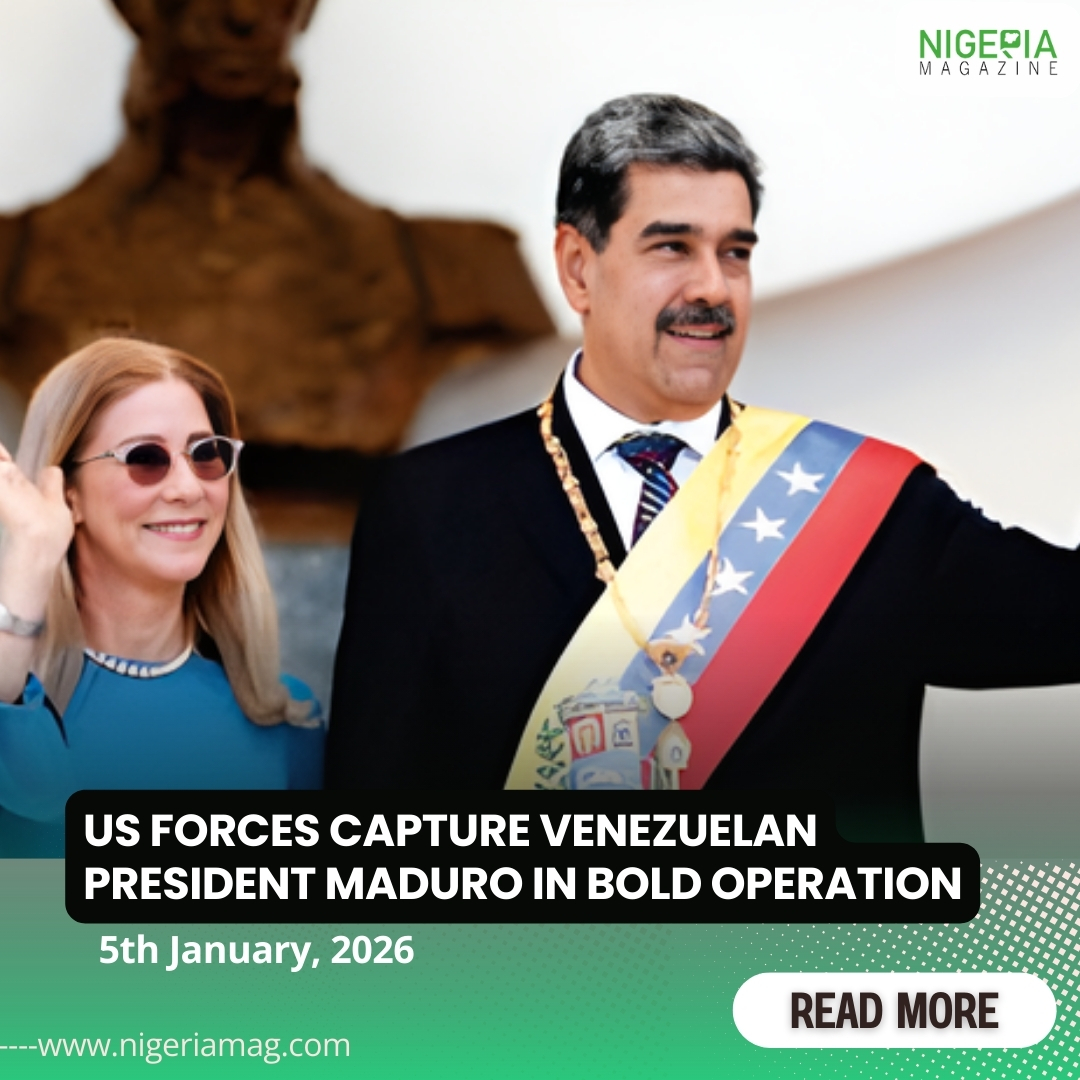
In a daring operation, US special forces captured Venezuelan President Nicolas Maduro and his wife Cilia Flores in Caracas, Venezuela’s capital, on January 3, 2026. The operation involved cyberwarfare, airstrikes, and a targeted ground raid, with over 150 aircraft deployed.
Maduro and his wife were seized from his bedroom and extracted by helicopter and taken to the USS Iwo Jima, then flown to Guantánamo Bay and New York, where he faces charges including narco-terrorism conspiracy and cocaine importation conspiracy. The operation was months in the making, with CIA agents gathering intel on Maduro’s movements.
Trump administration officials involved in planning included Secretary of State Marco Rubio and CIA Director John Ratcliffe. World leaders and lawmakers have reacted with mixed responses, raising questions about international law and sovereignty.
Reactions to the capture have been varied. Venezuelan opposition leader Maria Corina Machado calls for ally Edmundo González Urrutia to be recognized as Venezuela’s leader. Trump suggests working with Vice President Delcy Rodriguez, but she claims no proof Maduro is alive. Trump warns Rodriguez will face consequences if she doesn’t cooperate.
The situation raises concerns about Venezuela’s future and international relations.
What’s next for Venezuela, and how will this impact global politics?
Trump said during his press conference that the United States would run Venezuela until judicious arrangements are made. Congress wasn’t informed about the attack. The US launched strikes on terrorists in Sokoto State, Nigeria, on November 26 and promised more. Reconnaissance flights continue over Nigeria. The element of surprise remains – no one knows when terrorists in Nigeria will be taken out.

