



An exploration of sports diversification and Nigeria’s potential new global champions
As Nigeria enters the third decade of the 21st century, the nation’s sporting identity is evolving. While football—particularly the Super Eagles and the domestic Nigerian Professional Football League—continues to capture mass attention and passion, there is a compelling narrative emerging: Nigeria’s potential to become a global powerhouse across an increasingly diverse array of sports.
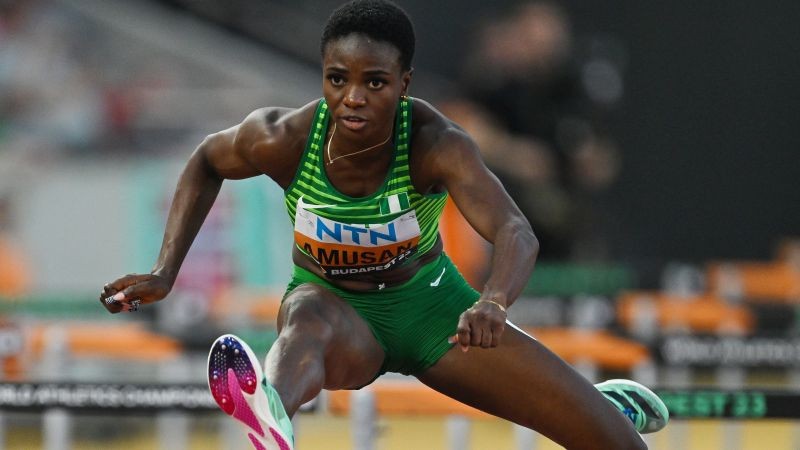
From the rise of basketball on the continent to world‑class performances in athletics, the burgeoning digital world of esports, and the promise of niche and emerging disciplines, Nigeria’s athletic future looks dynamic, varied, and rich with opportunity.
Beyond the Pitch: Why Diversification Matters
For decades, Nigerian sport has been synonymous with football. The sport’s popularity—fueled by international icons from Kanu Nwankwo to more recent stars—has been unmatched domestically and in the diaspora.
But football’s dominance has masked a broader truth: Nigeria’s athletic talent isn’t restricted to one field. Unlocking this potential across multiple sports not only broadens opportunities for athletes, but also deepens economic prospects, fosters national pride, and strengthens Nigeria’s image on the world stage.
Diversification matters because it:
Expands pathways to success for Nigeria’s youth.
Generates new economic sectors, from professional leagues to media and sponsorship.
Strengthens national identity with success in multiple international arenas.
Reduces over‑reliance on a single sport, which leaves the nation vulnerable to fluctuations in fortune.
Basketball: A Continental and Global Rising Force
Basketball has surged in Nigeria over the past decade, transforming from an under‑the‑radar sport into one of the country’s most promising disciplines beyond football.
National and Continental Progress
Nigeria’s women’s basketball team, D’Tigress, has become a dominant force in African basketball, securing multiple AfroBasket championships and extending their reign with a fifth straight title in 2025—an unbroken continental supremacy that reflects growth in both talent and infrastructure. (Eagle 102.5 FM)
But the story doesn’t end in Africa. At the Paris 2024 Olympics, D’Tigress made history by becoming the first African basketball team—men or women—to advance to the Olympic quarterfinals. Along the way, they claimed a landmark victory over world‑class opponents and brought global attention to Nigerian basketball’s competitive edge. (The Nation Newspaper)
From Grassroots to Global Courts
Nigeria’s domestic league—the Nigerian Premier League for basketball—has gradually matured, with teams like Lagos Legends clinching national honours and setting sights on continental competition. (Wikipedia) Meanwhile, Nigerian players are increasingly visible internationally: talents like Precious Achiuwa and Josh Okogie in the NBA illustrate how Nigerian athletes are excelling on basketball’s biggest stage. (National Daily Newspaper)
Across the sport, investment in facilities, youth programs, and coaching promises to deepen the talent pool. The momentum suggests a future where Nigeria becomes not just participants but contenders at the very highest levels of global basketball.
Athletics: Sprinting, Jumping, and Field Glory
Track and field have long been arenas where Nigerian athletes shine brilliantly. The nation’s tradition in athletics extends from sprinting to hurdles and jumps and continues to produce world‑class performers.
Current Champions and World Stage Contenders
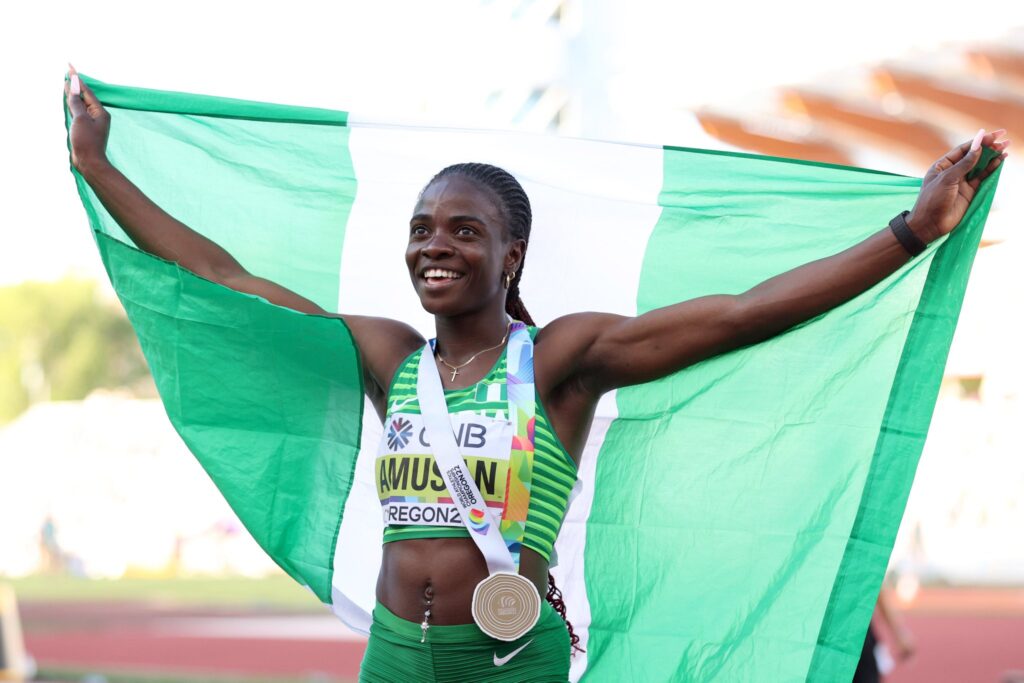
Tobi Amusan’s achievements—highlighted by her world championship title in the 100m hurdles and her role as one of the fastest women on earth—illustrate Nigeria’s capacity to produce global champions beyond football. (The Nation Newspaper) Ese Brume, Africa’s long jump record holder, remains one of the continent’s elite, demonstrating how Nigerian athletes can compete confidently against the world’s best. (The Nation Newspaper)
Nigeria’s Paralympic athletes are also rewriting the nation’s sporting script. At the 2024 Paris Paralympics, Nigerian competitors brought home seven medals, with standout performances that included world‑record‑setting lifts. (The Nation Newspaper)
The Next Generation
Emerging talent in sprints, relays, and field events signals a continuum of excellence. With expanded coaching, international competition exposure and improved domestic meets, this next wave could see Nigeria regularly climbing podiums at World Championships and Olympic finals.
Esports: Digital Frontiers and Youth Engagement
A rapidly growing global industry, esports is offering Nigerian youth a modern platform for competition, creativity and economic opportunity. Online gaming and competitive esports tournaments are gaining traction domestically, with Nigerian gamers engaging in international competitions, building digital communities, and attracting attention from sponsors and tech companies. (Independent Newspaper Nigeria)
Why Esports Matters for Nigeria
Jobs and digital skills: Esports stimulates careers in professional gaming, event organization, streaming, and tech support. (Independent Newspaper Nigeria)
Global connectivity: Online competition connects Nigerian players to global communities, forging cross‑border relationships and cultural exchange. (Independent Newspaper Nigeria)
Inclusive participation: Esports lowers entry barriers, allowing participation regardless of physical ability or traditional sports infrastructure limitations.
While challenges remain—such as better broadband access and broader social acceptance—Nigeria’s gaming community is already carving out a niche that could grow into a vibrant ecosystem rivaling traditional sports in cultural relevance and commercial value.
Emerging and Niche Sports: Expanding the Envelope
Beyond basketball, athletics, and esports, Nigeria is witnessing the rise of less conventional disciplines that could create new champions and markets.
Combat Sports and Wrestling
Nigerian boxers and mixed martial artists are beginning to make inroads internationally. In 2024, Elizabeth Oshoba became the first Nigerian female world champion in boxing’s major federations—a breakthrough with potential to inspire a new generation of combat athletes. (The Nation Newspaper)
Innovation in Sporting Events
Nigeria’s hosting of international events such as the debut of the E1 electric powerboat racing series in Lagos underscores the country’s capacity to welcome emerging global sport formats. (The Times)
These developments suggest that Nigerian audiences are ready for varied sporting content—a trend that sports promoters, sponsors, and broadcasters can harness.
Challenges and the Road Ahead
Expanding Nigeria’s sporting prowess beyond football requires confronting systemic challenges: inadequate infrastructure, inconsistent funding, and the need for professional administration across sports bodies. But these obstacles are not insurmountable.
To realize its multi‑sport potential, Nigeria must:
Invest in infrastructure at grassroots and elite levels.
Strengthen coaching and development systems across disciplines.
Leverage public‑private partnerships for sustainable funding and talent pathways.
Promote gender equality to ensure women’s sports receive equitable support.
Build regulatory and competitive frameworks for nascent sports like esports and motorsport.
A Sporting Tapestry in the Making
Nigeria’s future in sport is no longer just about football. As basketball teams make continental history, athletes set global records, gamers compete across digital arenas, and new disciplines take root, the nation is crafting a broader, richer sporting identity.
With strategic investment, coordinated development, and a recognition that talent in Nigeria is as diverse as its people, the country stands poised to produce global champions across a spectrum of sports—reshaping its legacy and inspiring a new generation of heroes.
In this era of diversification, Nigeria’s sporting story is expanding—and it’s only just beginning.

