


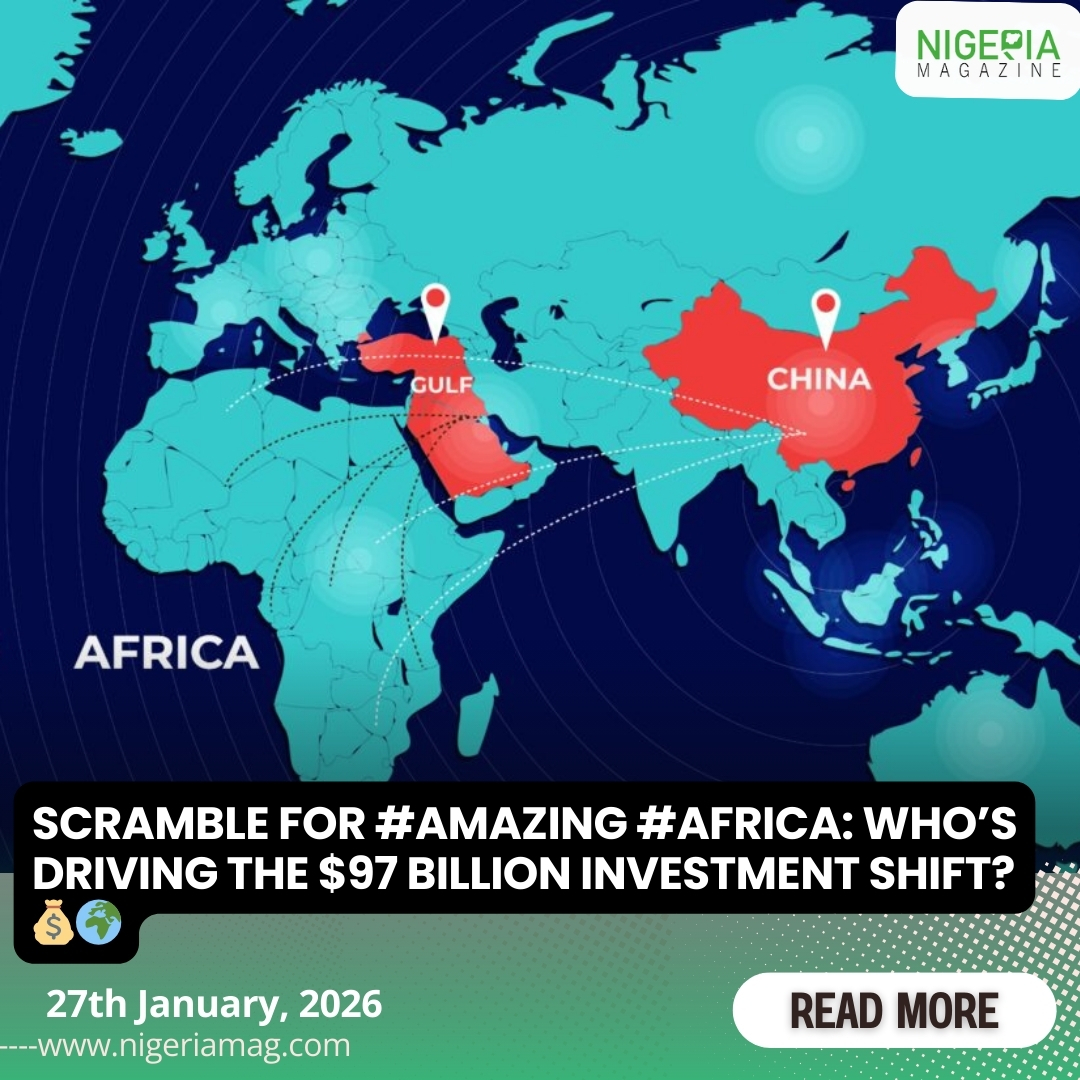
Africa is in the spotlight like never before. Foreign Direct Investment (FDI) in the continent surged to a record $97 billion in 2024, a whopping 75% year-on-year increase. But the story is not just about numbers—it’s about who is investing, where, and why. Africa is no longer simply a resource frontier.
The narrative has expanded to include infrastructure, fintech, renewable energy, and manufacturing. And in this new era, the major global players—🇦🇪 UAE, 🇨🇳 China, 🇫🇷 France, 🇬🇧 UK, 🇺🇸 US, and 🇹🇷 Turkey—are scrambling to stake their claims.
Let’s unpack the country-by-country breakdown of this African investment boom.
🇦🇪UAE: The New Heavyweight
The Gulf states, led by the UAE, are emerging as a major force in African investment. In 2024, the UAE became the fourth largest global investor in Africa, signaling a strategic pivot from traditional markets to tangible infrastructure and food security.
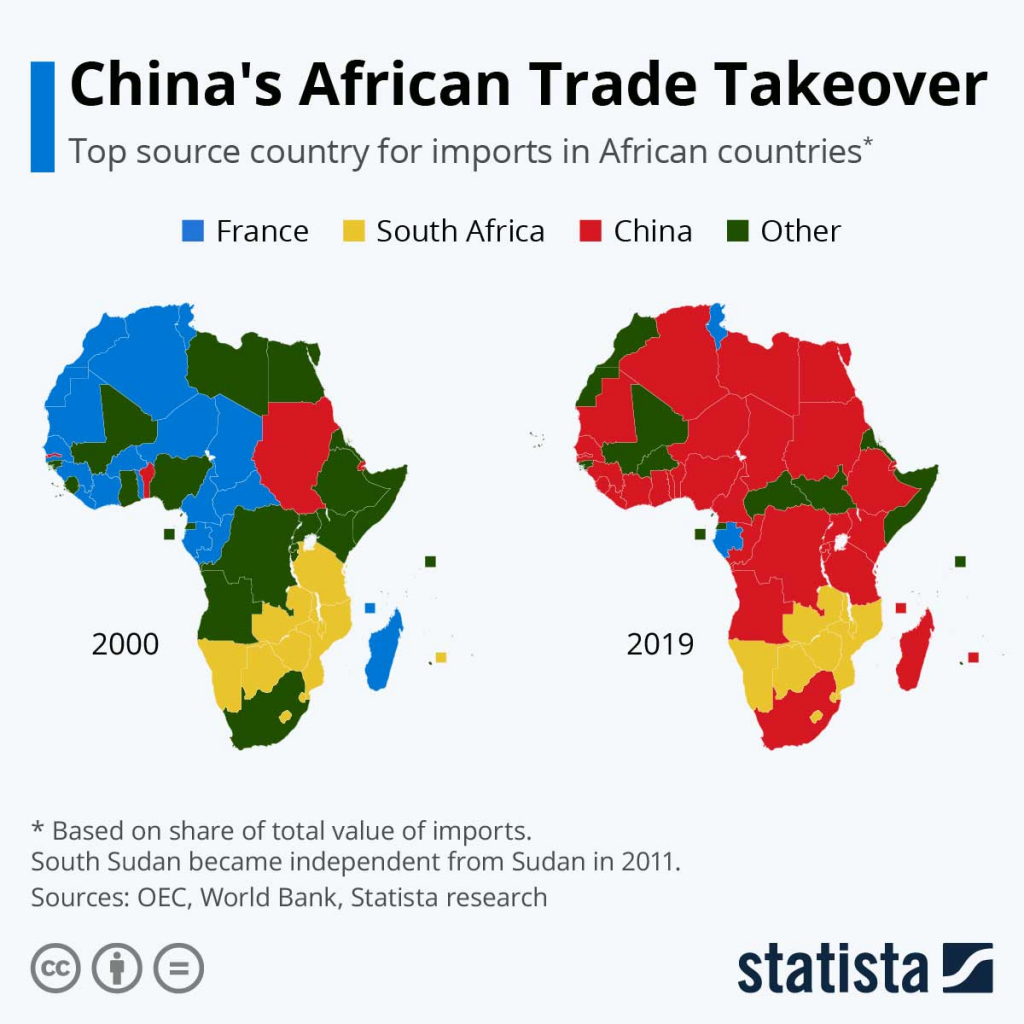
Focus Areas: Ports, logistics, renewable energy, tourism.
Top Destinations: Egypt, where the $35B Ras El-Hekma project alone drove much of the FDI surge.
Other Key Spots: Mauritania ($34B green hydrogen pledge), South Africa, Tanzania (DP World port concessions).
The UAE’s investments are not just about capital—they are about building ecosystems that integrate logistics, energy, and trade hubs. For African women entrepreneurs, particularly in tourism, renewable energy, and logistics, this opens doors to partnerships that combine infrastructure with local innovation.
🇨🇳China: The Strategic Pivot
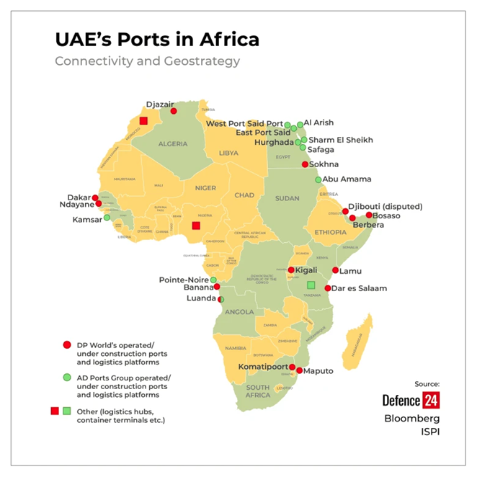
China’s approach in Africa is shifting from mega-infrastructure loans to “Small & Beautiful” projects. The focus is increasingly on pharma, green tech, ICT, and industrial parks, targeting sustainable growth and domestic market development.
Top Destinations: South Africa, Mozambique, Niger, Algeria, Mauritius.
Key Spots: Angola (debt-to-resource agreements), Ethiopia (manufacturing and industrial parks).
Interestingly, while Chinese loan volumes have cooled, private sector FDI is rising, particularly in manufacturing and processing sectors. This presents unique opportunities for African women-led startups in tech manufacturing, green energy, and pharmaceuticals, where partnerships with Chinese investors can offer both capital and technical expertise.
🇫🇷France: The Francophone Stronghold
France continues to anchor itself in Africa’s Francophone belt, investing in energy, retail, banking, and telecommunications.
Top Destinations: Senegal, Ivory Coast (Côte d’Ivoire), Cameroon.
Key Spot: Angola, where TotalEnergies maintains a major presence.
Despite political headwinds in the Sahel, French investment remains critical to West Africa’s commercial ecosystem. For African women, particularly in banking, fintech, and energy, French partnerships often come with structured mentorship and long-term financing options, offering stability in sometimes volatile markets.
🇬🇧United Kingdom: The Financial Anchor
The UK has carved out a niche as Africa’s financial and green energy partner. Post-Brexit, London has doubled down on “mutually beneficial” partnerships, emphasizing services, clean finance, and fintech innovations.
Focus Areas: Financial services, mining, green energy.
Top Destinations: South Africa (UK remains the largest FDI stockholder), Kenya (agri-tech and fintech), Nigeria.
The UK’s investment approach is less about sheer capital and more about ecosystem building, particularly in financial services. For women-led enterprises, this means more avenues for digital banking, fintech innovations, and clean-energy financing.
🇺🇸United States: Tech and Services Lead
The United States is playing a catch-up game in infrastructure, but it dominates in technology, services, and automotive sectors. US investors are backing Africa’s emerging tech hubs, supporting startups that are redefining digital economies across the continent.
Top Destinations: South Africa, Nigeria, Egypt.
Focus Areas: Tech ecosystems, service-sector investment, automotive and mobility solutions.
For African women in tech, e-commerce, and service industries, US FDI is particularly strategic. It brings mentorship, networking, and access to global markets, complementing local talent and innovation.
🇹🇷Turkey: The Job Creator
Turkey has emerged as a top contributor to employment-driven investments. Unlike purely capital-intensive models, Turkish projects focus on construction, textiles, and manufacturing, often hiring locally and creating sustainable job opportunities.
Top Destinations: Senegal, Somalia, Ethiopia, Libya.
Insight: Turkish investments consistently rank in the Top 5 for job creation per project, which is critical for economies with high youth populations.
For women entrepreneurs, Turkish investments can provide training, skill development, and employment opportunities, particularly in labor-intensive industries like manufacturing and textiles.
Beyond East vs. West: The New Investment Map
The old narrative of Africa as a battlefield for East vs. West is fading. Today, there is a “Gulf Rush”—with UAE and Saudi Arabia joining the fray—competing with Asian manufacturing and European services. This multi-directional investment landscape offers African businesses more choices than ever before.
For women-led ventures, this is a particularly opportune moment. With the right policy frameworks, access to capital, and international partnerships, African women entrepreneurs can leverage FDI to scale businesses, access technology, and enter global value chains.
Infrastructure projects backed by the UAE and Turkey create opportunities in logistics, ports, and renewable energy.
Tech and fintech hubs supported by the US and UK open pathways for digital innovation.
Manufacturing and green tech initiatives spearheaded by China and France provide platforms for industrial growth.
The key takeaway is clear: Africa is no longer a passive recipient of capital. It is a dynamic ecosystem where strategic partnerships can unlock enormous opportunities for those who innovate, adapt, and lead.

