


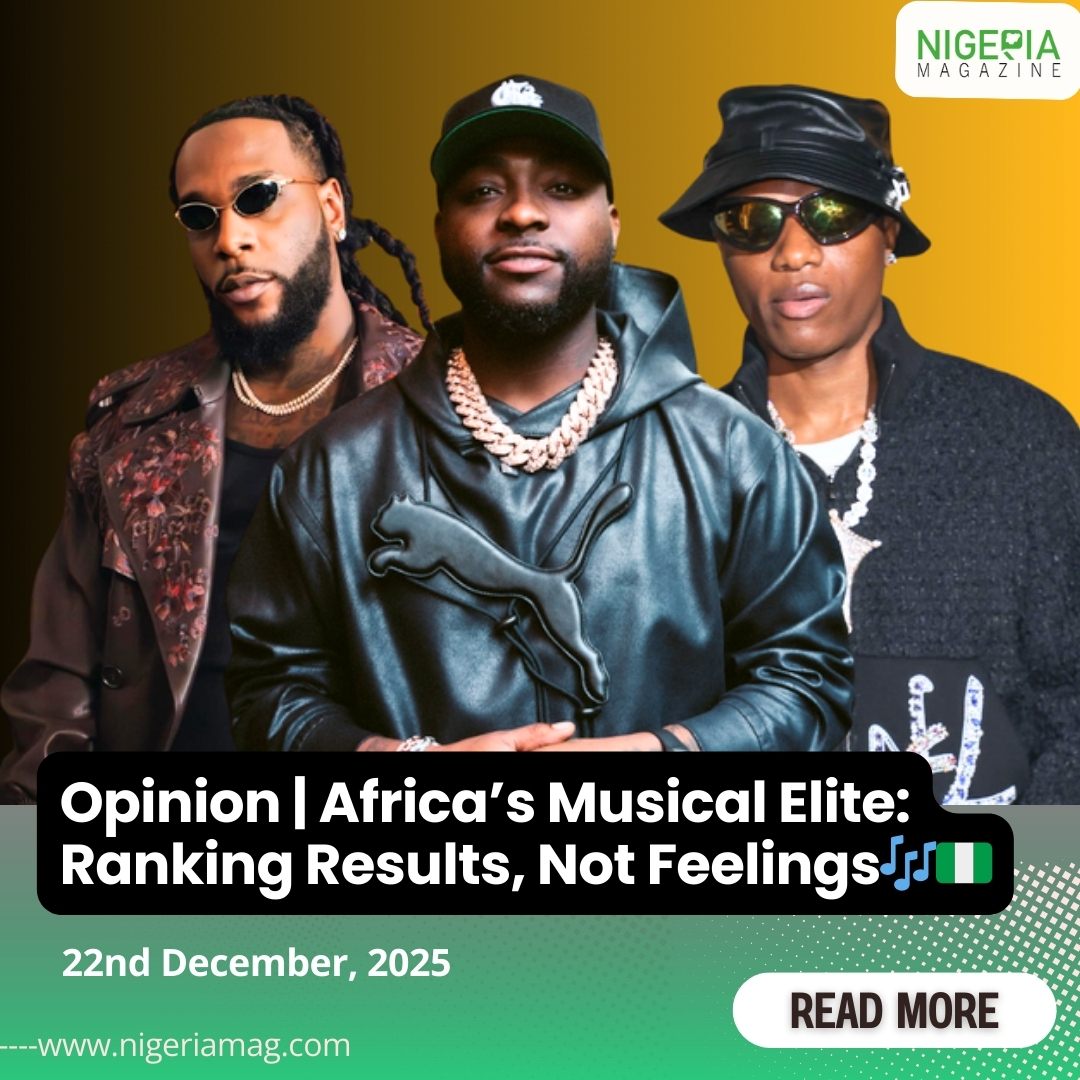
In the age of virality, context is often the first casualty. Short clips travel faster than full arguments, and nuanced opinions are flattened into outrage-friendly soundbites. That is the backdrop against which a recent statement about “Africa’s elite” in music has ignited debate across the continent and its diaspora. But stripped of the noise and examined carefully, the argument being made is not about disrespect or dismissal—it is about ranking based on results.
The framing is important. This is not a conversation about who is talented, who is promising, or who is beloved. Africa has no shortage of gifted artists across genres and generations. The claim is narrower and more clinical: when ranking Africa’s current musical elite by impact, consistency, global reach, and longevity, three names stand at the top—and in a specific order.
Number One: Davido — Impact, Consistency, Reach
Placing Davido at number one is less controversial when viewed through the lens of endurance. For over a decade, Davido has remained a dominant force in African pop music, navigating changing trends, new audiences, and shifting industry economics without losing relevance. Hits alone do not explain this staying power. What separates him is a combination of relentless work ethic, strategic collaborations, and an instinct for connecting with audiences both at home and abroad.
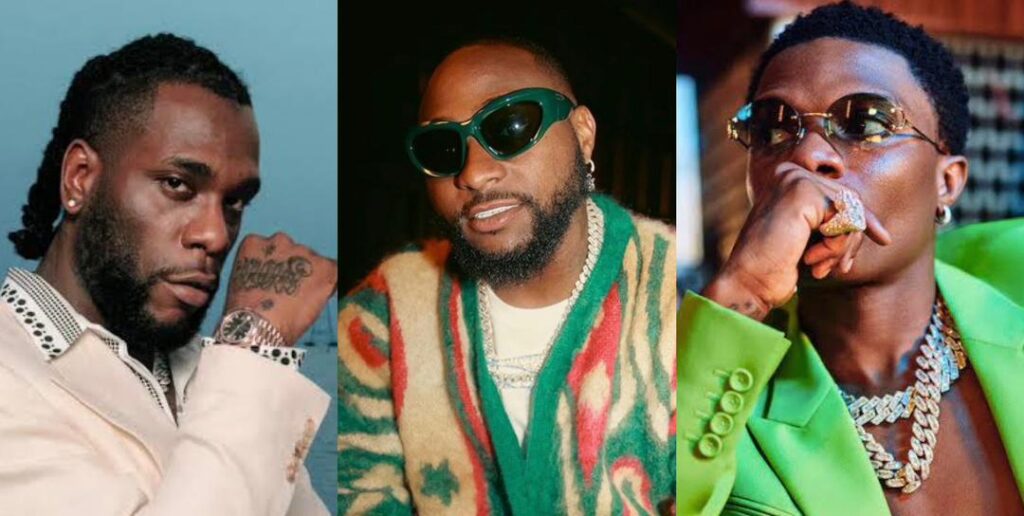
From sold-out arenas to record-breaking streaming numbers, Davido’s career reflects sustained momentum. In an industry where artists often burn bright and fade quickly, longevity at the top is rare. You do not remain this visible, this influential, and this commercially viable for so long by accident.
Number Two: Burna Boy — Global Sound, Global Validation
Burna Boy’s placement at number two acknowledges a different kind of dominance. His rise represents Africa’s successful negotiation with the global music system on its own terms. Burna did not simply export Afrobeats; he expanded it, infusing it with reggae, dancehall, hip-hop, and African rhythms in a way that resonated worldwide.
His Grammy win was not just a personal milestone—it was a symbolic moment for African music on the global stage. Burna Boy’s artistry operates at a world-class level, and his influence is evident in how international audiences and artists now engage African sounds. He did not follow the wave; he helped shape it.
Number Three: Wizkid — Timelessness and Cultural Legacy
Wizkid’s ranking rests on something less quantifiable but no less powerful: legacy. His catalog includes timeless hits that continue to define eras of African pop culture. Beyond charts and awards, Wizkid’s influence is woven into fashion, youth culture, and the global perception of African cool.
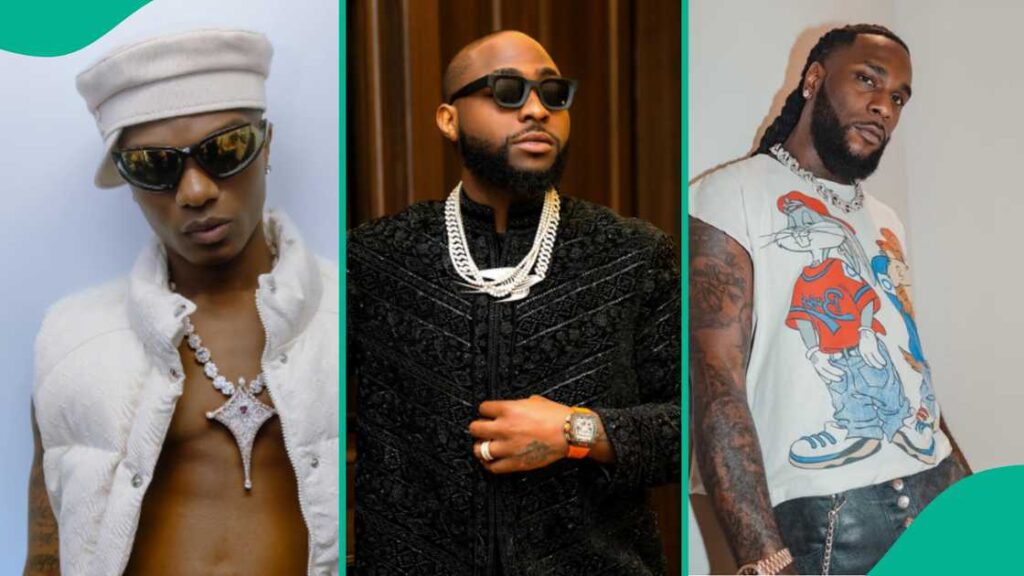
He is an artist whose music has aged gracefully, maintaining relevance across generations. Cultural influence is not always loud, but it is lasting—and Wizkid’s imprint on African and global music is undeniable.
Why This Order Matters
The controversy surrounding this ranking stems from a common misunderstanding: equating ranking with disrespect. To rank is not to deny others their talent or potential. It is to assess who has already achieved certain benchmarks. The criteria here are not hype or online noise, but results—measurable impact, sustained excellence, and global recognition.
On Ghanaian Artists: Respect Without Illusion
The statement on Ghanaian artists has drawn particular scrutiny, but its core message is straightforward. Ghana’s music scene is vibrant, hungry, and culturally rich. The grind is real, and the talent is evident. However, when measured against the established global dominance of the top three, many Ghanaian artists are still in pursuit rather than possession of that level.
This is not a dismissal of their future; it is an acknowledgment of the present. Aspiration is not failure. Chasing a standard means that standard exists—and Davido, Burna Boy, and Wizkid currently embody it.
On “Tyler” (Likely Tyla): Moment vs. Movement
The mention of “Tyler”—widely interpreted as a reference to South African star Tyla—touches on another sensitive point: the difference between a breakout moment and a sustained movement. Tyla’s global success is undeniable, and her rise has been swift and impressive. But history shows that the music industry is filled with artists who shone brightly for a season and struggled to convert momentum into longevity.
Longevity is the real flex. It is built over years, not viral cycles. Celebrating a hot moment does not require prematurely placing an artist among the elite. Time is the ultimate validator.
An Uncrowded Throne
The most provocative line in the statement may also be the most revealing: “Africa’s throne isn’t crowded, it’s already occupied.” This is not arrogance—it is an observation about hierarchy in any competitive field. At any given time, a few individuals operate at a level others are still striving to reach.
That does not mean the door is closed. It means the standard is high.
African music is expanding globally at an unprecedented rate, and new contenders will inevitably emerge. But elite status is not granted by trends or timelines—it is earned through consistent excellence, cultural impact, and the ability to endure.
Everyone else may be knocking. The throne, for now, has names on it.

