


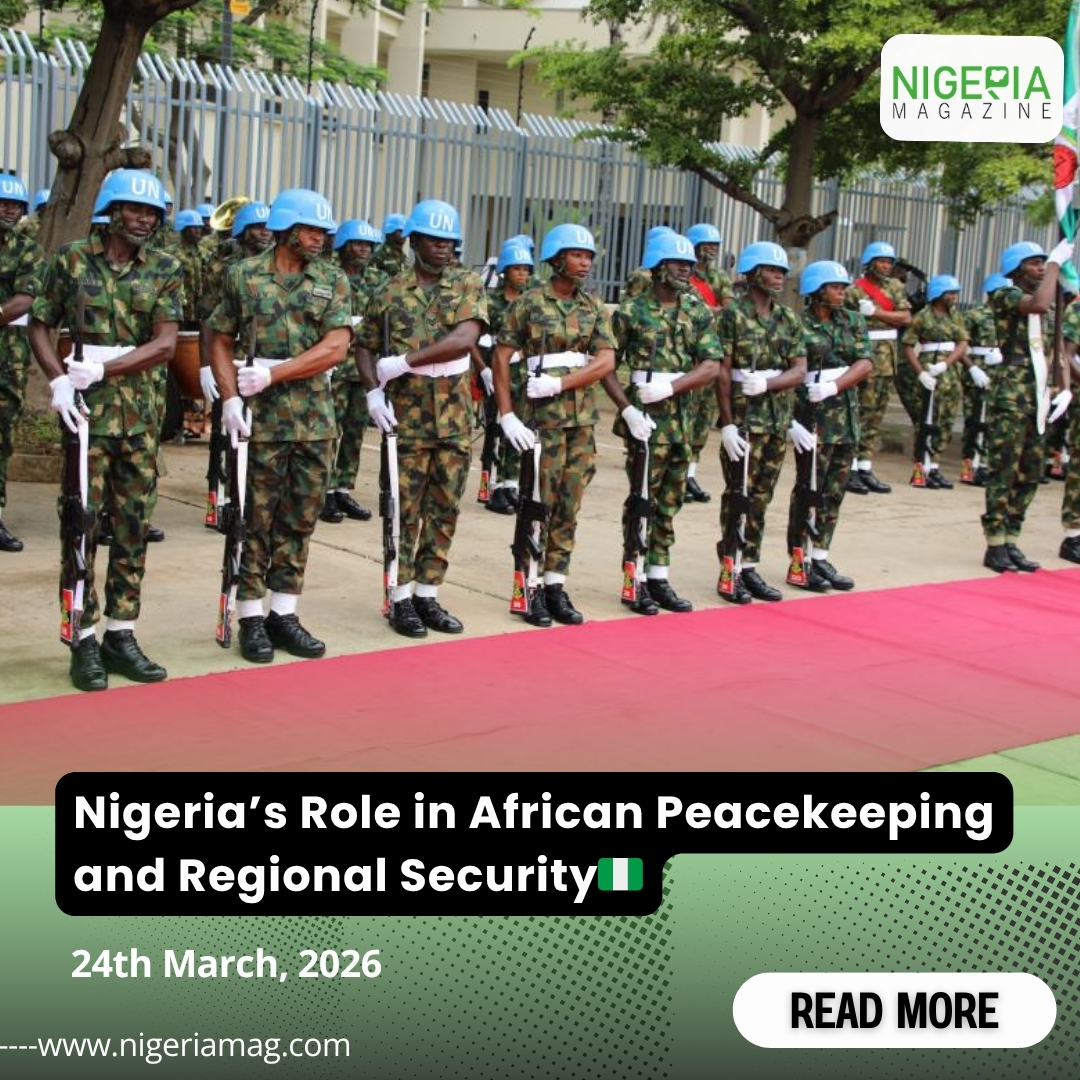
Analysis of Nigeria’s Influence in ECOWAS and Its Contributions to Peace Operations
As Africa continues to confront complex security challenges—including terrorism, unconstitutional changes of government, armed insurgencies, maritime insecurity, and transnational crime—Nigeria remains one of the continent’s most influential actors in peacekeeping and regional stability. In 2026, Nigeria’s role in African peace operations is shaped by decades of leadership within the Economic Community of West African States (ECOWAS), sustained military contributions to multinational missions, and diplomatic engagement across the continent.
Historical Foundation of Leadership
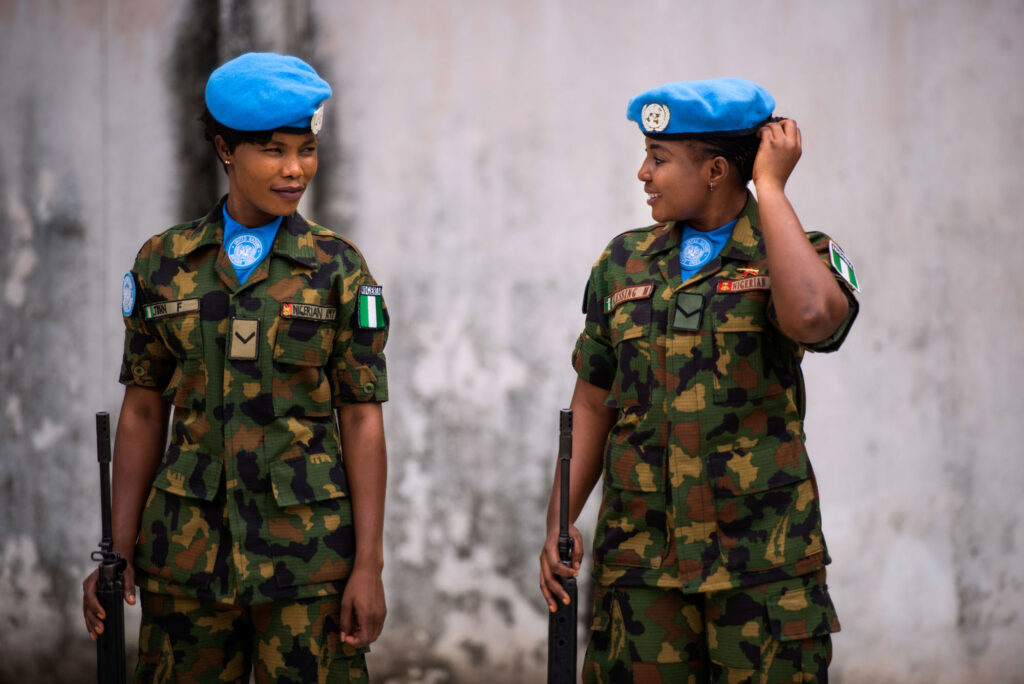
Nigeria’s peacekeeping legacy dates back to the early post-independence era, when it adopted an active foreign policy centered on African solidarity. This principle evolved into a doctrine often described as “Africa as the centerpiece” of Nigeria’s diplomacy. Over the years, Nigeria has consistently contributed troops, funding, logistics, and political leadership to regional and continental peace initiatives.
Within ECOWAS, Nigeria has played a foundational role since the organization’s establishment in 1975. Beyond economic integration, ECOWAS has developed a strong security architecture, particularly through its
Conflict Prevention Framework and its standby military force. Nigeria has been central to these developments, providing leadership, resources, and operational capacity.
Influence Within ECOWAS Security Architecture
Nigeria’s influence in ECOWAS is both structural and operational.
First, as the region’s largest economy and most populous country, Nigeria wields significant diplomatic weight in shaping ECOWAS decisions. It has frequently hosted regional summits, mediated disputes, and supported enforcement of ECOWAS protocols on democracy and governance.
Second, Nigeria has been instrumental in the development and deployment of the ECOWAS Standby Force (ESF). This mechanism enables rapid response to crises such as coups, civil conflicts, and humanitarian emergencies. Nigerian military leadership and personnel have formed a substantial part of several ECOWAS interventions.
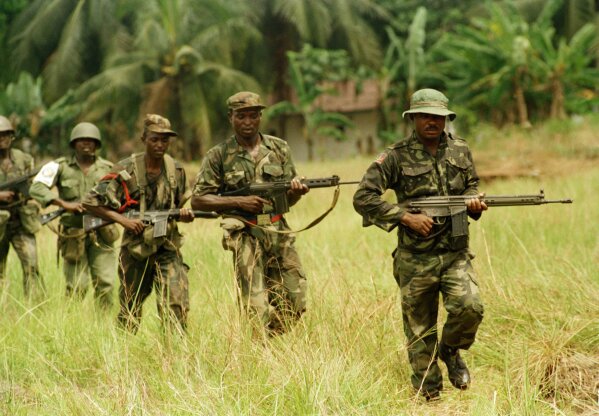
Nigeria has also played a prominent role in enforcing regional norms against unconstitutional changes of government. In recent years, ECOWAS has adopted a firmer stance on military takeovers in West Africa, including the use of sanctions and diplomatic pressure. Nigeria has consistently supported these measures, reinforcing the principle that democratic governance is central to regional stability.
Contributions to Peace Operations
Nigeria’s peacekeeping contributions extend beyond ECOWAS into broader African and international missions under the African Union (AU) and the United Nations (UN).
Over several decades, Nigerian troops have participated in numerous peace operations across Africa. These missions have included conflict stabilization, civilian protection, monitoring ceasefires, disarmament efforts, and post-conflict reconstruction support.
Nigeria has historically been one of the largest troop-contributing countries in Africa. Nigerian personnel have served in peace operations in West Africa, Central Africa, and other regions experiencing instability. These deployments have enhanced Nigeria’s reputation as a reliable security partner.
Beyond troop contributions, Nigeria has provided leadership in command structures of multinational forces. Nigerian officers have frequently occupied senior roles in regional missions, contributing to operational planning, coordination, and strategy.
Counterterrorism and Regional Security
In the 2020s, one of the most pressing security challenges in West Africa has been violent extremism, particularly in the Sahel and Lake Chad Basin regions. Nigeria has been at the center of multinational counterterrorism efforts.
Through regional collaboration frameworks, Nigeria has participated in joint operations aimed at combating extremist groups, improving intelligence sharing, and securing porous borders. These initiatives emphasize collaboration among neighboring states, recognizing that terrorism and organized crime transcend national boundaries.
Nigeria’s military engagement in the Lake Chad Basin, in partnership with neighboring countries, demonstrates its commitment to collective security solutions. These operations aim to degrade extremist networks, stabilize affected communities, and create conditions for humanitarian access and reconstruction.
Maritime Security and the Gulf of Guinea
Another key dimension of Nigeria’s regional security role lies in maritime safety, particularly in the Gulf of Guinea. This region has long faced challenges including piracy, oil theft, illegal fishing, and other maritime crimes.
Nigeria has participated in regional naval cooperation frameworks designed to enhance surveillance, information sharing, and coordinated patrols. These efforts contribute not only to regional stability but also to international trade security, as the Gulf of Guinea remains a critical global shipping corridor.
Improved maritime cooperation reflects Nigeria’s recognition that economic stability is closely tied to security. Protecting sea lanes supports energy exports, regional commerce, and foreign investment.
Diplomatic Mediation and Conflict Resolution
Beyond military contributions, Nigeria plays an important diplomatic role in peacebuilding. Nigerian leaders and envoys have historically mediated regional crises, facilitated dialogue between conflicting parties, and supported transitional governance processes.
In ECOWAS diplomatic efforts, Nigeria frequently acts as a stabilizing voice, balancing enforcement measures with negotiation. This dual approach—combining pressure with dialogue—has been central to maintaining regional cohesion.
Nigeria’s participation in constitutional reform dialogues, electoral observation missions, and governance support initiatives further reinforces its regional leadership.
Challenges to Sustained Leadership
Despite its significant role, Nigeria faces internal and external constraints that affect its peacekeeping capacity.
Domestically, security challenges within Nigeria—including insurgency, banditry, and communal conflicts—place demands on military and financial resources. Managing internal security while sustaining external commitments requires careful strategic planning.
Regionally, West Africa is experiencing increasing instability, with political transitions, economic pressures, and governance crises affecting several states. The expanding security needs of the Sahel also stretch regional response mechanisms.
Additionally, global geopolitical shifts influence funding and logistical support for peace operations, making regional self-reliance more important than ever.
Strategic Importance in 2026
In 2026, Nigeria’s role remains critical for three key reasons:
Institutional Stability: Nigeria’s continued engagement strengthens ECOWAS institutions and reinforces regional norms.
Security Coordination: Its military capacity supports joint operations against terrorism and organized crime.
Diplomatic Influence: Nigeria’s mediation efforts contribute to regional dialogue and democratic governance.
As Africa seeks to enhance the effectiveness of the African Union’s peace and security framework, Nigeria’s leadership within ECOWAS serves as a cornerstone of West African stability.
Nigeria’s influence in African peacekeeping and regional security reflects a long-standing commitment to continental stability. Through its leadership in ECOWAS, substantial troop contributions, counterterrorism cooperation, maritime security initiatives, and diplomatic mediation, Nigeria continues to shape the security architecture of West Africa.
While challenges persist—ranging from internal security pressures to evolving regional crises—Nigeria’s strategic role remains indispensable. In 2026, its influence is not only historical but forward-looking, as West Africa navigates complex transitions and seeks durable peace mechanisms.
Nigeria’s engagement demonstrates that regional security in Africa is best achieved through cooperation, institutional strength, and shared responsibility—principles that continue to define its peacekeeping legacy.

