


For decades Nigeria’s courts have been defined by two stubborn constants: towering dockets and slow-moving processes. In 2025, as judges, lawmakers and tech firms push for a digital overhaul, one claim keeps resurfacing — artificial intelligence, properly applied, could cut through the logjam. But behind the promise of faster dispositions lies a tangle of practical, legal and ethical questions that will determine whether AI becomes a tool for justice or a new source of unfairness.
What’s changing — and why now
Over the past three years Nigerian courts have accelerated efforts to digitize core workflows: e-filing, remote hearings and electronic case management. The debate shifted from “if” to “how” at the 2025 New Legal Year and related conferences where senior judges, the National Judicial Council and private vendors sketched roadmaps for “AI-assisted” courtrooms — not to replace judges, they emphasised, but to assist them with scheduling, document handling, transcription and basic legal research. Public and political actors are vocal: lawmakers have framed a digitised judiciary as a way to clear what some officials estimate to be roughly 200,000 unresolved cases. (Vanguard News)
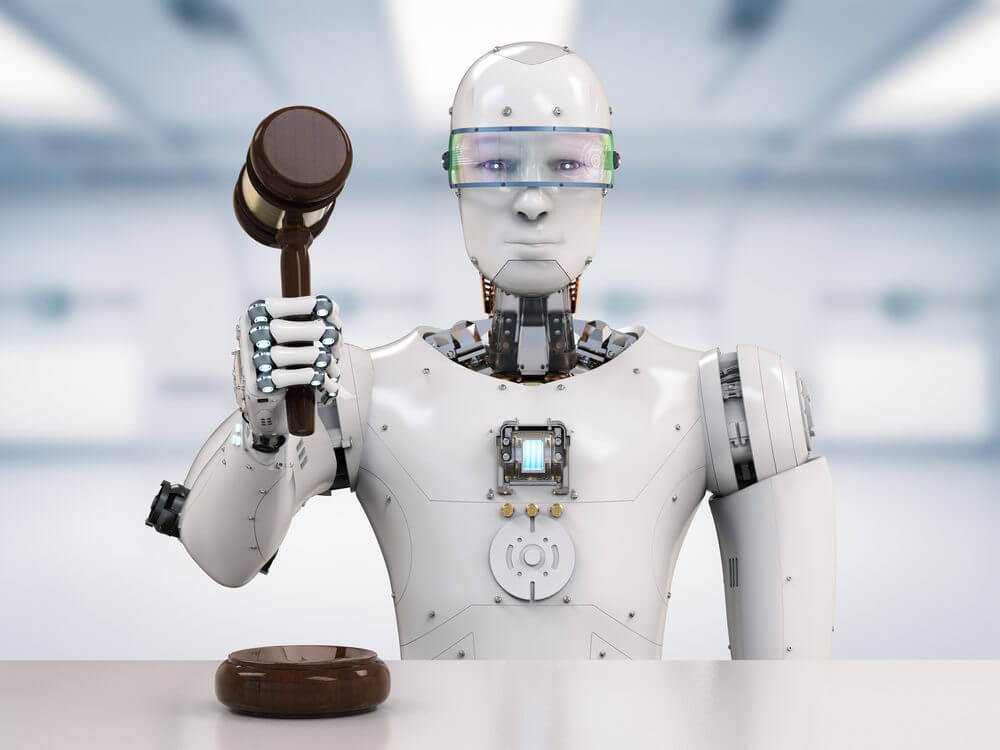
Startups and legacy legal-tech vendors have been quick to respond. Homegrown platforms offering case-management dashboards, automated docketing, and even AI search for precedent have proliferated in 2024–25. Some initiatives — like ModulawAI and similar tools — are positioning themselves as productivity layers for lawyers and court staff, promising faster retrieval of case law, automated drafting aids and smarter triage of filings. (oaulj.oauife.edu.ng)
Where AI could actually shorten timelines
There are low-risk, high-impact uses of AI that tribunals could reasonably adopt today:
- Clerical automation: Auto-docketing, deadline reminders, e-service confirmations and transcription can collapse administrative lag that routinely stalls cases. Studies and local pilot programs suggest these efficiencies are immediate and measurable. • Case triage and prioritisation: Algorithms can flag urgent criminal matters, identify interlocutory bottlenecks, and surface cases with high settlement potential so resources are allocated to where they matter. • Document analysis and legal research: AI assistants accelerate discovery and research, reducing the hours judges and lawyers spend digging for precedent.
These are not speculative leaps — they are incremental process improvements that reduce idle time in court calendars. Several National Judicial Institute (NJI) presentations and policy papers in 2025 explicitly recommend expanding AI tools for case-flow management and e-filing. (Edo State Judiciary)
The risks the headlines often miss
Efficiency gains are attractive, but they come with downsides that are structural, not merely technical.
Algorithmic bias and opaque reasoning. If triage or predictive tools are trained on historical data that reflect systemic bias — say, longer pretrial detention for certain demographics — AI can entrench those inequities while packaging them as “neutral” efficiency.
Due process and explainability. Judges must give reasons for decisions. When AI influences case prioritisation or produces draft judgments, courts face difficult questions about explainability and accountability: who takes responsibility if an AI-generated recommendation leads to a flawed or unlawful order?
Data security and privacy. Court files include sensitive personal data. Centralising them in cloud platforms or pipelines managed by third-party vendors raises cyber-risk and sovereignty concerns — particularly in a jurisdiction where capacity for large-scale secure deployments is uneven across states.
Procedural fairness and access. Digitisation can also marginalise litigants who lack connectivity or digital literacy, shifting friction onto the most vulnerable users of the justice system.
The Chief Justice of Nigeria has repeatedly cautioned that AI should be “a tool, not a substitute” for judicial reasoning — a reminder that technological fixes must be married to procedural safeguards. (This Day Live)
Who’s accountable — and what rules are missing
Nigeria’s legal framework is only beginning to grapple with AI in courts. Existing rules on evidence, practice directions and judicial ethics predate large-scale AI deployments; they do not clearly govern the admissibility of AI-generated materials, vendor procurement standards, auditability of algorithms, or redress mechanisms when automated processes cause harm.
Stakeholders at recent summits have called for national standards: mandatory impact assessments for any AI system used in judicial processes, open audit logs, and a human-in-the-loop requirement for decisions with legal effects. Implementation will require resources and political will — both uneven across the federation. (Legal Nigeria)
What an accountable rollout would look like
An investigative look across projects and policy papers yields a practical checklist that could turn promise into progress:
Start with the low-risk wins. Automate administrative tasks first (transcription, scheduling, e-filing), gather performance data, and publish outcomes.
Human oversight as doctrine. Require that humans — not models — make final decisions on any outcome affecting liberty, property or status.
Open audits and transparency. Vendors must provide audit logs and, where possible, interpretable models so courts (and independent auditors) can reconstruct recommendations.
Data governance. Clear rules on data residency, encryption, breach notification and consent must be codified.
Digital inclusion. Parallel investments in legal aid, public access centres and mobile-friendly filing to ensure the poorest are not left behind.
Training and CPD. Judges, registrars and lawyers need formal training on the limits and proper use of AI tools; the NJI and bar associations should institutionalise this. (Edo State Judiciary)
Bottom line
AI can accelerate case processing in Nigeria, but it will not — and should not — be a shortcut to sweeping judicial decisions without human accountability. The most plausible near-term outcome is a measurable reduction in administrative delays and faster case flow where AI is used to assist rather than adjudicate. Whether that translates into meaningful justice — faster, fairer, and more accessible — depends on governance: transparency, regulation, training and inclusion.
For a country still battling uneven digital capacity and deep social inequalities, the real test for AI in the courts isn’t whether the technology can decide cases faster; it’s whether policymakers can deploy it in ways that shorten delays without shortening rights. The coming 12–24 months, with pilots and policy papers now in motion, will show whether Nigeria builds an AI-assisted justice system that empowers judges and citizens — or another efficient machine that makes old problems feel new. (VON)
If you want, I can follow up with: (a) a one-page explainer for editors summarising the five most important policy changes to watch; or (b) a short list of Nigerian startups, vendors and judicial units involved in pilots for a deeper profiles package. Which would help your newsroom next?

