


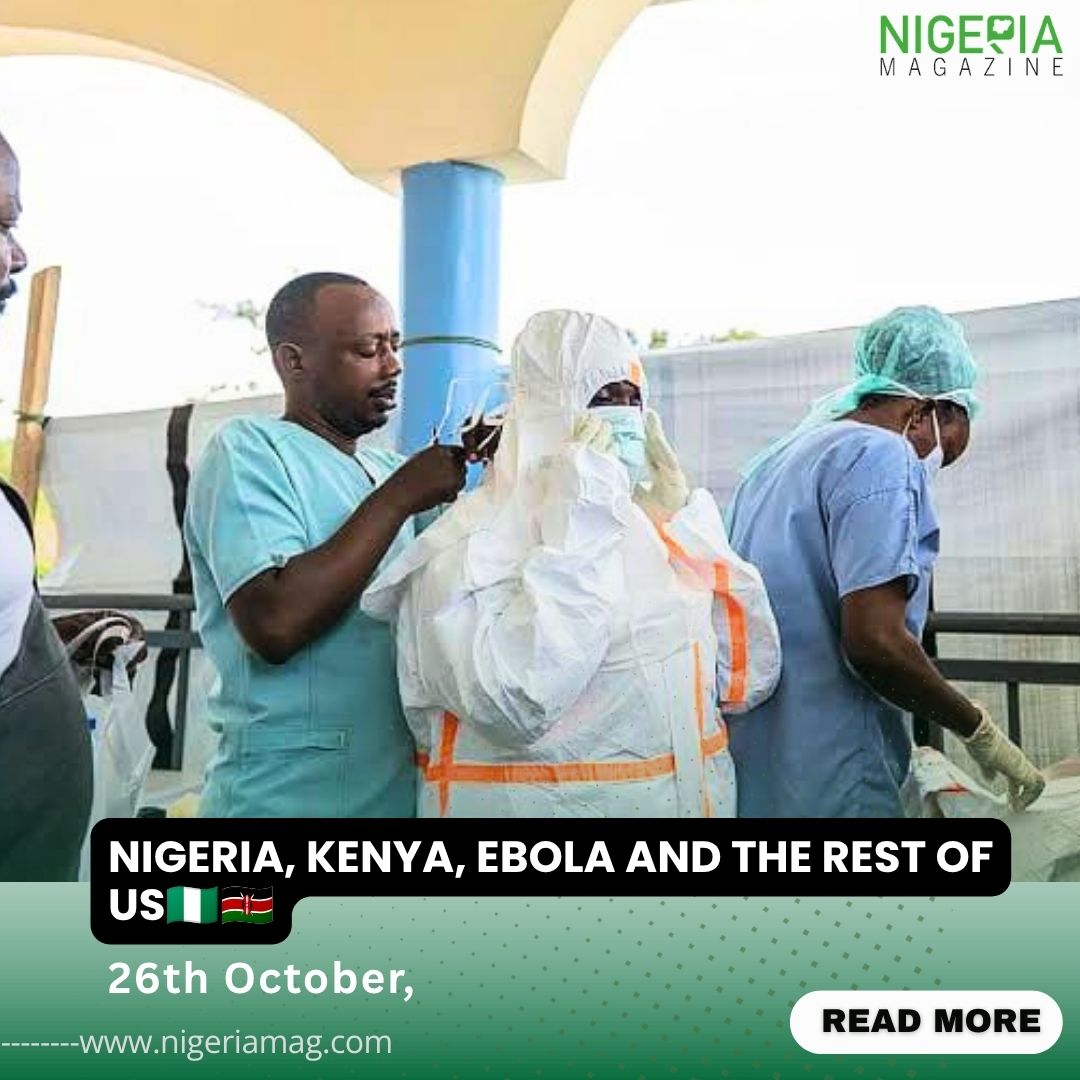
The re-emergence of Ebola concerns in Nigeria and Kenya is a reminder that infectious diseases remain a shared public health threat, demanding vigilance, accurate information and collective responsibility.
Nigeria has reportedly confirmed an Ebola case involving the Bundibugyo strain in Abuja, while Kenya has reported nine infections, including one death, as of October 22, 2026. The developments have renewed attention on disease surveillance, cross-border travel and the capacity of health systems to detect and contain outbreaks.
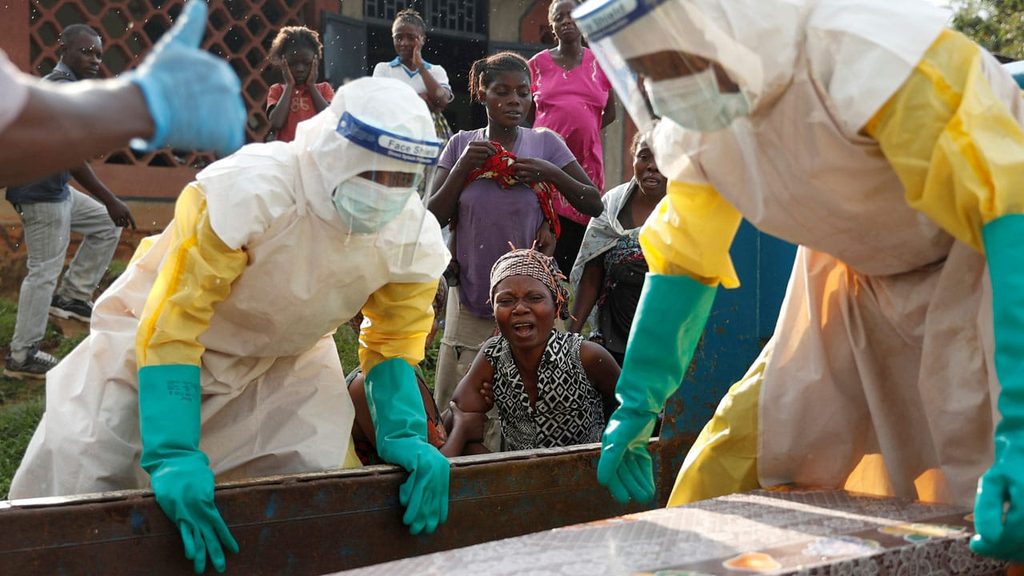
For Nigeria, the situation brings back memories of the 2014 Ebola outbreak, when an infected traveller from Liberia arrived in Lagos. The country recorded 20 confirmed cases and eight deaths before the outbreak was contained through contact tracing, isolation and coordinated public health measures.
But Ebola is not merely a government concern. It is a public health issue that requires the attention of everyone, from health workers and travellers to families, community leaders and journalists.
The virus can cause severe illness, with symptoms including fever, headache, fatigue, muscle pain, sore throat, vomiting and diarrhoea. Symptoms may develop between two and 21 days after exposure. Bleeding can occur in severe cases, but it is not present in every patient.
Because the symptoms can resemble malaria and other common illnesses, no one should attempt to diagnose Ebola based on symptoms alone. Laboratory testing and professional medical assessment are essential.
Anyone who develops symptoms after possible exposure should contact a health facility immediately and explain their exposure history before arriving. Avoid direct contact with the person’s blood or other bodily fluids, do not handle potentially contaminated materials, and never attempt to care for a suspected case without appropriate protective measures.
Early medical care, including fluids and treatment of complications, can improve a patient’s chances of survival. Treatment options vary by Ebola strain, and there is currently no licensed vaccine or specific approved treatment for the Bundibugyo strain.
Beyond hospitals, governments must strengthen disease surveillance, laboratory capacity, contact tracing and infection prevention. Border screening and public awareness are important, but they must be supported by effective health systems and reliable communication.
The media also has a responsibility to report confirmed information, distinguish suspected cases from confirmed infections, avoid sensationalism and discourage stigma against affected individuals and communities.
For the rest of us, the message is simple: remain alert, not afraid. Do not spread unverified reports or conceal possible exposure out of fear. Follow guidance from the World Health Organisation and relevant national health authorities.
Ebola knows no political boundaries, and no country can afford complacency. What happens in Nigeria or Kenya matters to the rest of Africa and the wider world.
The lesson is clear: preparedness must begin before an outbreak spreads, information must be trusted, and protecting public health is a shared responsibility.
Ubong Usoro for Nigeria Magazine

