



By Moses Chibuike Ezechukwu
From a modest pharmaceutical distribution business to an internationally recognised drug manufacturer, Fidson Healthcare’s latest licensing agreement highlights Nigeria’s growing potential to strengthen global medicine supply chains and improve access to essential treatments.
Nigeria’s pharmaceutical industry has received a significant boost following the selection of Fidson Healthcare Plc, a Nigerian drugmaker founded by businessman Fidelis Ayebae, to develop and manufacture a generic version of baloxavir marboxil, an influenza treatment originally developed by Swiss pharmaceutical giant Roche.
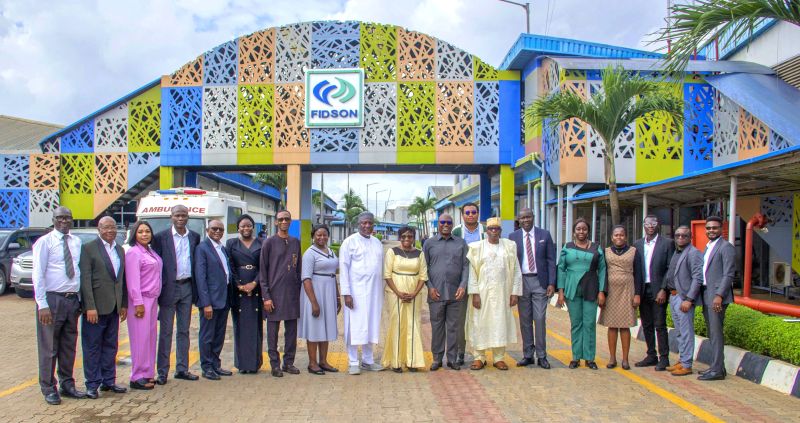
The announcement places Fidson among 11 pharmaceutical manufacturers across nine countries selected under a voluntary licensing agreement between Roche and the Medicines Patent Pool, a United Nations-backed public health organisation. The sublicences were announced on September 25, 2026, according to the information provided in the original report.
For Nigeria, the development represents more than another corporate milestone. It offers a glimpse into what the country’s pharmaceutical manufacturing industry could achieve when local expertise, international partnerships and investment in healthcare production come together.
Fidson’s selection also highlights the journey of a Nigerian company that has spent decades building its manufacturing capabilities in an industry where quality, regulatory compliance and public trust are essential.
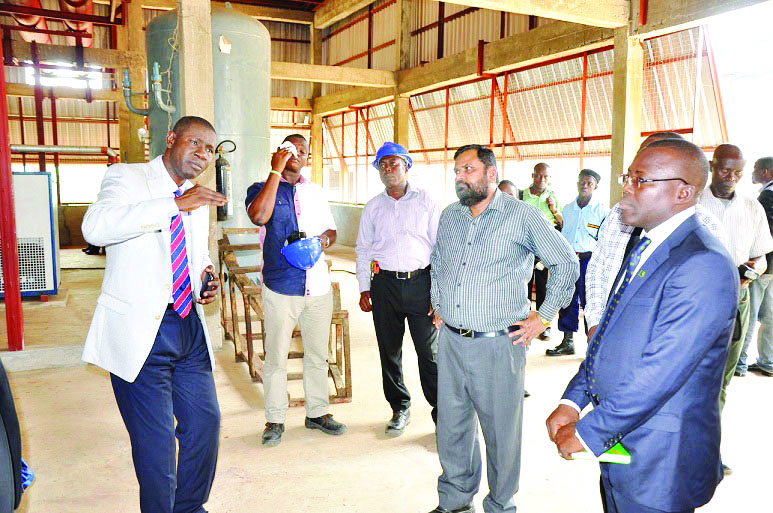
A Nigerian Company With Global Ambitions
Founded by Fidelis Ayebae in March 1995, Fidson Healthcare began as a pharmaceutical distribution business. Its early operations focused on supplying medicines before the company moved into importing finished pharmaceutical products under its own brand approximately a year later.
That initial business model eventually gave way to a more ambitious plan: manufacturing medicines locally.
In July 2002, Fidson opened its first local manufacturing plant, marking an important stage in its development. The investment reflected a broader ambition to move beyond importing medicines and contribute directly to Nigeria’s domestic pharmaceutical production.
Three years later, the company achieved another notable milestone. In 2005, Fidson became the first company in Nigeria and sub-Saharan Africa to manufacture antiretroviral drugs locally, according to the supplied report.
That achievement demonstrated the potential of African pharmaceutical companies to participate in producing treatments for serious diseases rather than depending entirely on products manufactured elsewhere.
Today, Fidson’s selection for the baloxavir licensing programme represents another step in that long-term journey.
For Ayebae, whose reported 33.1 per cent stake makes him a major shareholder in the company, Fidson’s progress also illustrates how sustained investment in a domestic business can create opportunities beyond the Nigerian market.
What the Roche and Medicines Patent Pool Agreement Means
At the centre of this development is baloxavir marboxil, an antiviral medicine used to treat influenza, commonly known as the flu. Unlike antibiotics, which target bacteria, antiviral medicines act against viruses.
Baloxavir works by inhibiting an influenza virus protein involved in viral replication. It is used for certain cases of influenza under appropriate medical guidance, although its suitability depends on factors such as the patient’s condition and applicable treatment guidelines.
Roche, the Swiss pharmaceutical company behind the original medicine, developed baloxavir marboxil under the brand name Xofluza.
The licensing arrangement with the Medicines Patent Pool is designed to expand manufacturing capacity and support access to generic versions of the treatment in eligible countries.
Under the reported agreement, Fidson will be permitted to develop and manufacture generic baloxavir for supply to 129 countries covered by the licence, subject to obtaining the necessary regulatory approvals.
That final condition is important. Being selected for a licence does not automatically mean that the medicine is ready for sale or that it has received approval in every country where distribution may eventually be permitted.
The company must still satisfy the relevant requirements governing manufacturing quality, product safety, efficacy and regulatory authorisation.
Nevertheless, the opportunity could give Fidson a stronger position in a specialised area of pharmaceutical production while creating room for the company to expand its technical capabilities.
For Nigeria, the agreement could also help demonstrate that local manufacturers can contribute to international efforts to diversify medicine production.
Why Local Pharmaceutical Manufacturing Matters
For many African countries, access to medicines remains closely connected to the strength of international supply chains.
When production is concentrated in a limited number of countries, disruptions can affect the availability of essential treatments elsewhere. Manufacturing interruptions, transportation difficulties, rising costs and unexpected increases in demand can all place pressure on medicine supplies.
The COVID-19 pandemic exposed these vulnerabilities in particularly stark terms. Countries around the world competed for vaccines, protective equipment and other essential medical products, while governments and healthcare providers struggled to secure supplies quickly enough.
For African economies that rely heavily on imported pharmaceutical products, the experience reinforced the importance of building stronger domestic and regional manufacturing capacity.
Fidson’s selection offers one possible contribution to that effort.
By enabling additional manufacturers in different regions to produce a medicine, voluntary licensing arrangements can help diversify supply and potentially reduce dependence on a narrow group of production facilities.
The Medicines Patent Pool has pursued similar objectives by facilitating agreements that allow qualified manufacturers to produce licensed medical products for specified markets.
In this case, Fidson’s participation could help bring production closer to some of the populations that may eventually need the treatment.
However, the potential benefits should not be overstated. Local manufacturing alone does not guarantee lower prices, uninterrupted availability or immediate access for patients.
Those outcomes depend on production costs, regulatory decisions, procurement arrangements, distribution networks and the ability of health systems to pay for and deliver medicines.
Even so, developing additional manufacturing capacity before a health emergency occurs is a practical step towards building more resilient supply chains.
Fidson’s Role in Strengthening African Health Security
Fidson’s managing director and chief executive, Biola Adebayo, described the company’s selection as an honour and a validation of its commitment to quality-assured manufacturing, according to the supplied report.
Adebayo also highlighted the company’s pride in contributing to regional health security as an African pharmaceutical manufacturer.
The statement reflects an important distinction between simply producing medicines and establishing a manufacturing operation capable of meeting international standards.
Pharmaceutical production requires specialised equipment, trained personnel, carefully controlled processes and rigorous quality assurance. Manufacturers must ensure that products meet the required specifications consistently, from one production batch to the next.
For a company hoping to manufacture a generic version of a medicine developed by a major international pharmaceutical company, those responsibilities are particularly significant.
The licensing opportunity could encourage further investment in Fidson’s technical expertise and manufacturing systems. It may also expose the company to additional regulatory expectations as it prepares to develop a product intended for multiple international markets.
There could be wider implications for Nigeria’s pharmaceutical ecosystem as well.
Successful participation in international licensing programmes can help demonstrate the capabilities of domestic manufacturers to potential partners, investors and public health organisations. That credibility may create opportunities for other Nigerian companies seeking to enter more specialised segments of the industry.
Still, the ultimate measure of success will not be the announcement itself. It will be whether Fidson can translate the opportunity into a quality-assured product that meets regulatory requirements and reaches eligible markets.
Fidelis Ayebae’s Business Journey and Fidson’s Growing Value
Behind Fidson’s development is the business journey of Fidelis Ayebae, who founded the company in 1995 and has remained a significant figure in its growth.
His decision to establish a pharmaceutical distribution business came at a time when building a sustainable manufacturing operation required considerable capital, technical knowledge and patience. Over the years, Fidson’s transition from distribution and imports to local manufacturing has helped establish its place in Nigeria’s pharmaceutical industry.
The company’s progress has also attracted attention from investors.
According to the figures cited in the original report, Ayebae owns approximately 33.1 per cent of Fidson, equivalent to about 759.6 million shares. The value of his stake was estimated at approximately $48.5 million at the market price referenced in that report, more than twice its reported value in November 2025.
Such figures illustrate the potential financial rewards associated with building a company that develops its capabilities and expands its market opportunities over time.
However, a pharmaceutical company’s long-term value cannot be measured by its share price alone. Its manufacturing performance, research capabilities, regulatory compliance, profitability and ability to deliver reliable products are equally important considerations.
For Fidson, the new licensing agreement could create additional opportunities, but the financial benefits will depend on successful product development, regulatory approval, production costs and demand in the markets covered by the agreement.
The development should therefore be viewed as a promising business opportunity rather than a guarantee of immediate revenue growth.
The Challenges Nigeria Must Overcome
Despite the positive outlook, Nigeria’s ambition to become a stronger pharmaceutical manufacturing hub faces several challenges.
One major concern is the cost of production. Pharmaceutical manufacturers require specialised equipment, reliable electricity, skilled workers and access to quality raw materials. Where these inputs are expensive or difficult to obtain, locally manufactured products can face significant cost pressures.
Foreign exchange fluctuations can add another layer of difficulty, particularly when manufacturers need to import equipment, ingredients or specialised production materials.
Regulatory requirements are equally important. A medicine intended for distribution across multiple countries must satisfy the relevant approval processes and quality standards. Meeting those requirements demands investment, technical expertise and sustained oversight.
There is also the question of affordability. Even when a medicine is manufactured locally, patients may struggle to obtain it if prices remain beyond their reach or healthcare systems lack effective procurement and distribution arrangements.
Addressing these challenges will require cooperation among manufacturers, regulators, policymakers, investors and public health organisations.
The Nigerian government can support the sector by strengthening regulatory institutions, improving infrastructure, encouraging appropriate investment and creating conditions that make local production more competitive.
Pharmaceutical companies, meanwhile, must continue investing in research, workforce development and quality assurance.
Fidson’s latest opportunity demonstrates what may be possible, but sustained progress will depend on addressing these wider industry challenges.
What This Means for Nigeria’s Pharmaceutical Future
Fidson Healthcare’s selection under the Roche and Medicines Patent Pool licensing arrangement is an encouraging development for Nigeria’s pharmaceutical industry.
It connects a company founded in Nigeria three decades ago with an international initiative designed to expand access to medicine and strengthen manufacturing capacity across multiple regions.
It also reinforces an important lesson: building a competitive pharmaceutical industry requires more than importing finished products. It involves developing technical expertise, investing in manufacturing infrastructure, meeting demanding quality standards and establishing partnerships that create opportunities for growth.
For Fidelis Ayebae, the development adds another chapter to the story of a business that evolved from pharmaceutical distribution into local manufacturing. For Fidson, it presents an opportunity to demonstrate that an African manufacturer can contribute to the production of a medicine developed by a major international pharmaceutical company.
The wider significance extends beyond one company or one drug. Nigeria has the population, commercial activity and healthcare needs to support a stronger pharmaceutical manufacturing sector, provided that the right investments and policies are sustained.
The real test will be what happens next: whether Fidson secures the required regulatory approvals, establishes production successfully and supplies a quality-assured generic medicine to the countries covered by the licence.
If those steps are achieved, the agreement could become a meaningful example of how Nigerian pharmaceutical companies can participate in international efforts to strengthen health security.
For now, Fidson’s selection is a reminder that Nigeria’s role in global healthcare need not be limited to purchasing medicines manufactured elsewhere. With the right capabilities and partnerships, Nigerian companies can also help make them.
#NigeriaMagazine #FidsonHealthcare #FidelisAyebae #BiolaAdebayo #Nigeria #PharmaceuticalIndustry #HealthcareInnovation #AfricanBusiness #MedicinesPatentPool #Roche #Baloxavir #PharmaceuticalManufacturing #HealthSecurity #MadeInNigeria #AfricanManufacturing #BusinessLeadership #GlobalHealth #NigerianEntrepreneurs

