


Nigeria’s electoral journey has always been shaped by one central question: can the vote of the ordinary citizen truly count? From the era of ballot snatching and result alteration to the gradual introduction of technology, the country’s democracy has been a long and difficult work in progress. The current debate around electronic transmission of election results is simply the latest chapter in that story.
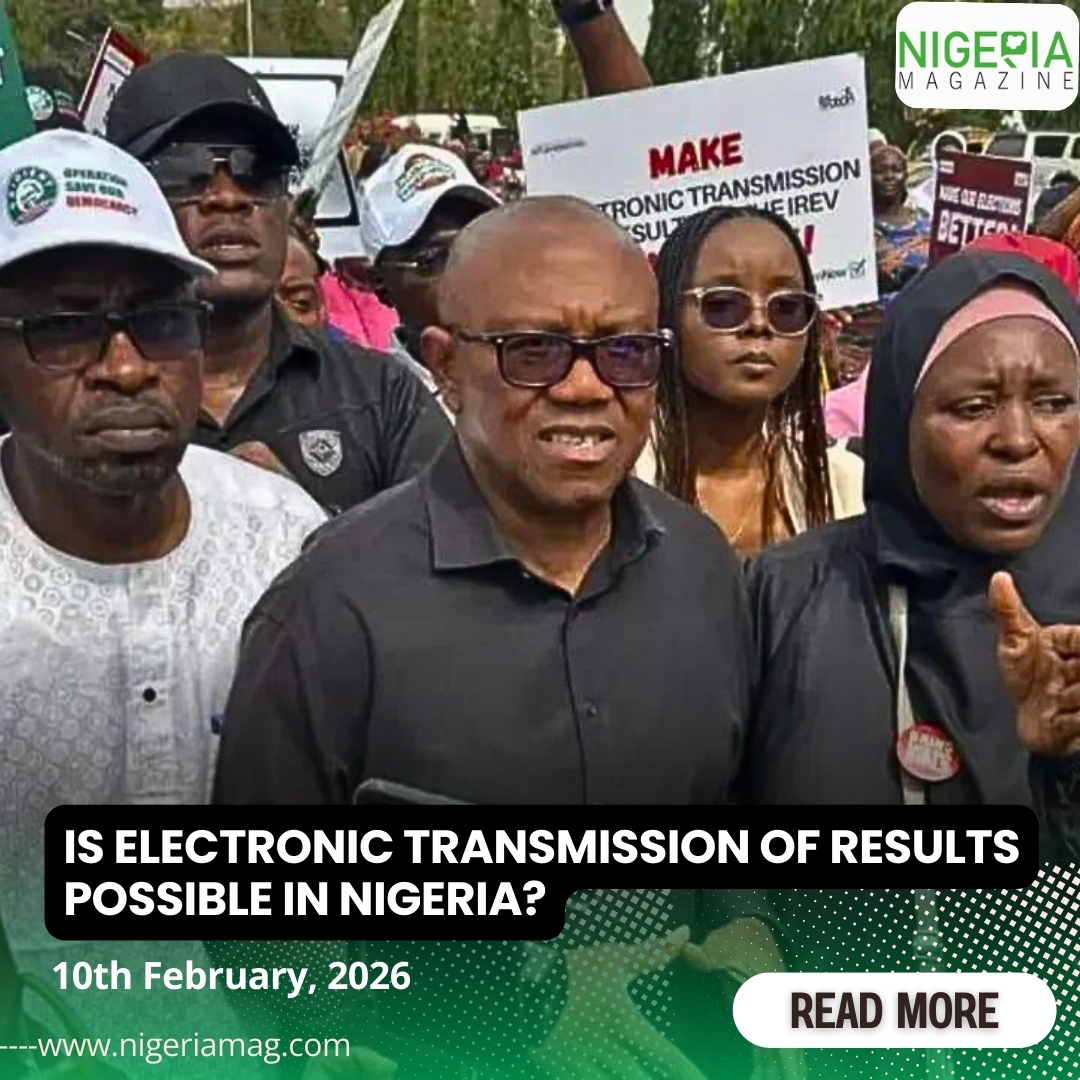
Recently, that debate took a dramatic turn when protesters stormed the National Assembly in Abuja, demanding that lawmakers make real-time electronic transmission of results mandatory in Nigeria’s electoral law. Leading the protest was Peter Obi, former presidential candidate, alongside civil society groups, youths, and pro-democracy activists. Their message was simple but powerful: let our votes count, and let Nigerians see results as they are recorded at polling units.
What Triggered the Protest
The protest followed the Senate’s passage of the Electoral Act Amendment Bill 2026, where lawmakers removed the explicit phrase “real-time electronic transmission of results.” While the bill still allows electronic transmission, many Nigerians believe that the removal weakens the law and gives too much discretion, creating room for ambiguity and possible manipulation.
Peter Obi, addressing supporters at the National Assembly gates, insisted that Nigerians no longer trust a system where results disappear between polling units and collation centres. According to him, transparent elections are impossible without clear, compulsory electronic transmission. He maintained that if elections are conducted transparently, outcomes no matter who wins, will be accepted by the people.
What the Senate Said
Senate President Godswill Akpabio responded by clarifying that the Senate did not reject electronic transmission entirely. According to him, lawmakers were concerned about network challenges in some parts of the country and the legal consequences of making “real-time” transmission compulsory when technical failures could occur. The Senate’s position is that INEC should retain the flexibility to determine how and when results are transmitted.
However, this explanation has not satisfied many Nigerians. For critics, flexibility without firm legal backing is exactly what has weakened past elections.
A Brief History of Nigeria’s Electoral Process
To understand why this issue matters so deeply, it is important to look at Nigeria’s electoral history.
1999 to 2007: Elections were largely manual. Results were written on paper, transported physically, and often altered along the way. Public trust in the system was extremely low.
2011: Although improvements were made, serious logistical and credibility issues remained.
2015: A major turning point came with the introduction of card readers, which helped reduce multiple voting and voter impersonation.
2023: INEC introduced BVAS and the INEC Result Viewing Portal (IReV), allowing polling unit results to be uploaded electronically. While this was a major step forward, inconsistent uploads and technical challenges created controversy and legal disputes.
These reforms show one thing clearly:
Nigeria has been moving forward technologically, even if slowly.
So, Is Electronic Transmission Possible in Nigeria?
The honest answer is yes.
Nigeria already has the technology. INEC has used electronic accreditation, biometric verification, and digital result uploads. What is missing is not the capacity, but clear legal backing and political will. When electronic transmission is optional or vaguely defined, it becomes vulnerable to selective use, which will now apply in some places and ignored in others.
Supporters of mandatory electronic transmission argue that it reduces human interference, speeds up collation, and allows citizens to verify results directly from polling units. Opponents worry about network coverage in rural areas, but many argue that these challenges can be addressed with planning, offline backups, and phased transmission, rather than abandoning the idea altogether.
Why This Debate Matters
At its core, this is not just a technical argument. It is about trust. Nigerians want to believe that when they stand in the sun to vote, their effort is not wasted. They want elections where results are not rewritten behind closed doors.
With the 2027 general elections approaching, the decision lawmakers make now will shape public confidence for years to come. Mandatory electronic transmission of results may not solve all electoral problems, but without it, many Nigerians believe true transparency will remain out of reach.
The protest we saw at the National Assembly is a reminder that democracy does not end at the ballot box. It also lives in the voices of citizens who demand better and refuse to be silent.
Ubong Usoro for Nigeria Magazine

