


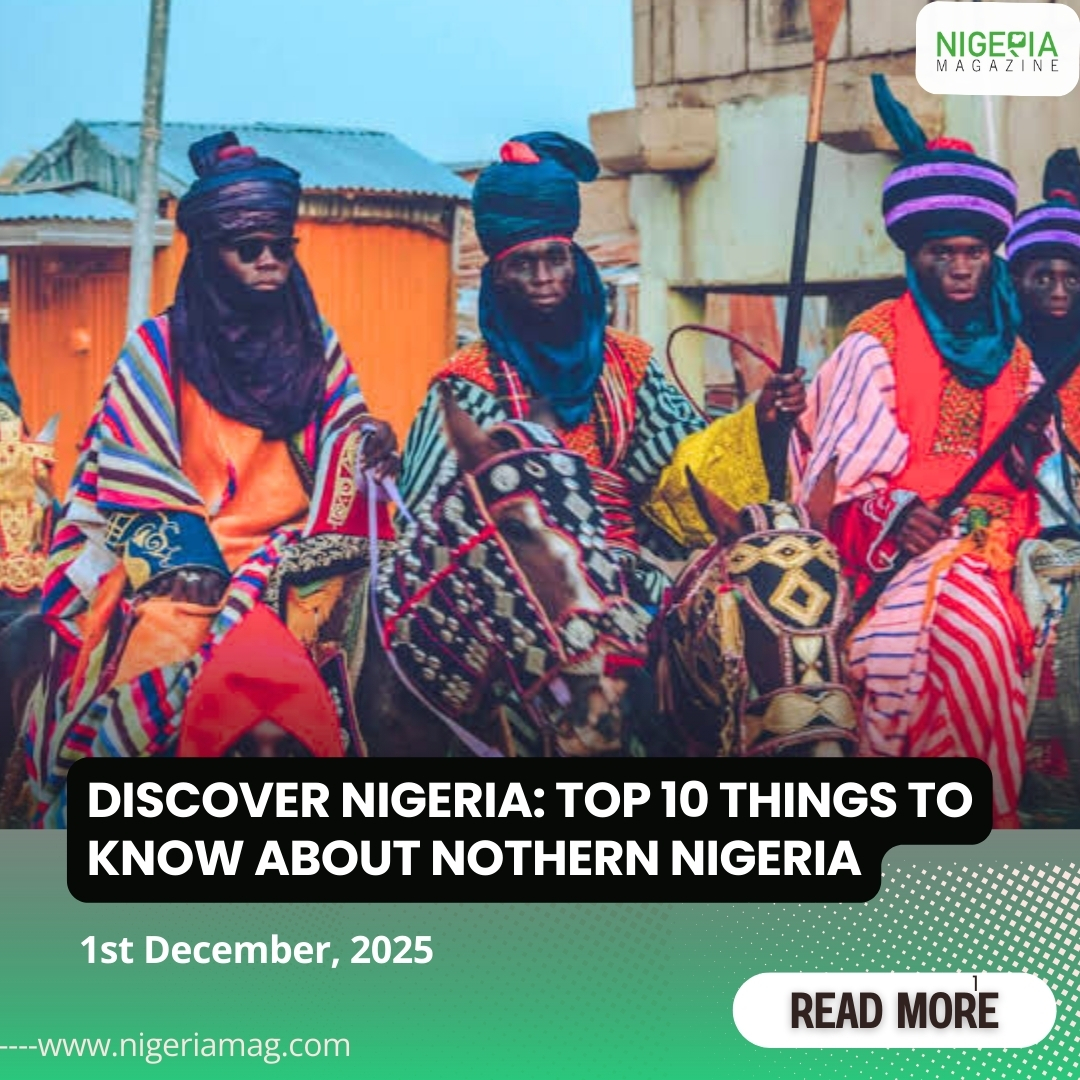
- 1.Size
Northern Nigeria is the largest geographical region in the country, covering over two-thirds of Nigeria’s landmass. It contains 19 states and the Federal Capital Territory, Abuja. This vastness contributes to its diversity—spanning deserts, savannahs, plateaus, and farmlands.
2. People
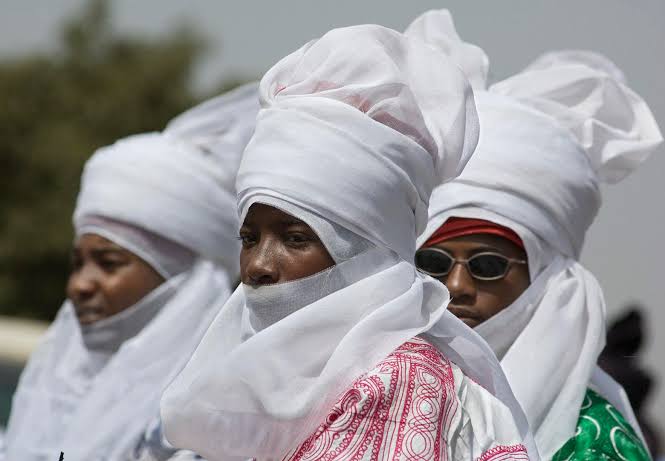
The region is home to numerous ethnic groups, with the Hausa and Fulani being the most prominent. Other groups include Kanuri, Tiv, Nupe, Jukun, Gbagyi, and many more. Northern Nigerians are known for their hospitality, communal living, and strong sense of identity.
3. Arts & Culture
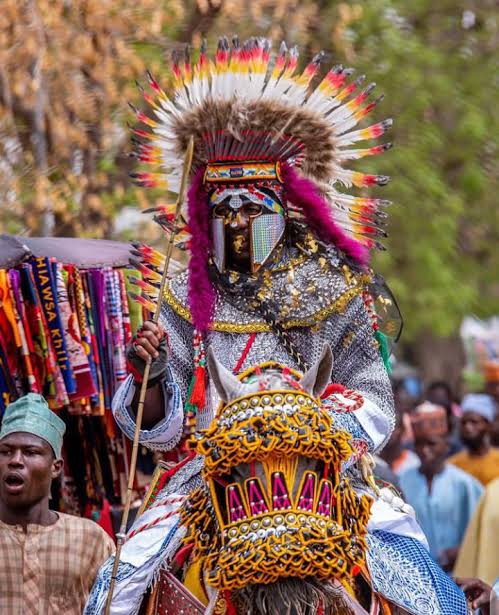
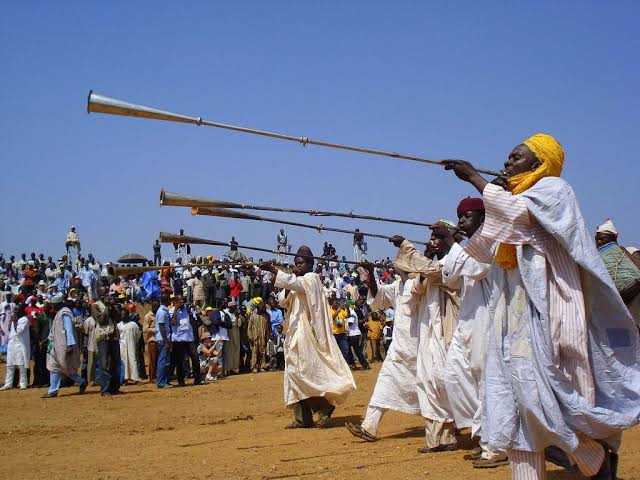
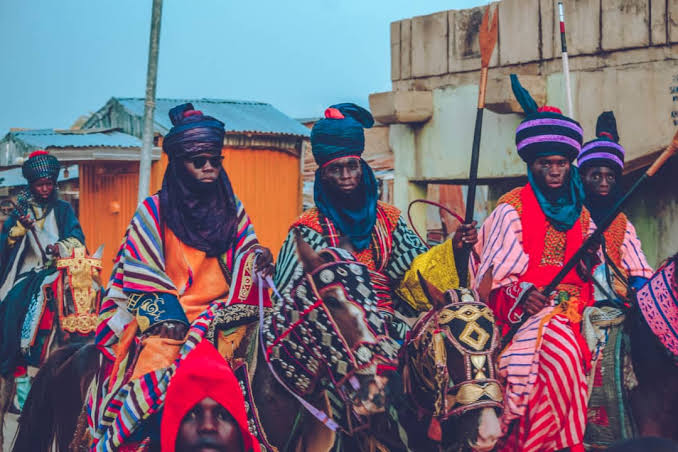
Northern Nigeria boasts some of the country’s most vibrant cultural expressions. From Hausa architecture and Fulani nomadic traditions to the celebrated Durbar festival, the region has preserved centuries-old artistry. Leatherwork, textile dyeing (including Kano’s famous indigo pits), pottery, and intricate metalwork are key cultural markers.
4. Geography
The region features diverse landscapes:
- The Sahel and Sudan savannah in the far north
- Vast plains and farmlands in the northwest
- The Jos Plateau, known for its cool climate and rocky outcrops
- Several national parks and wildlife reserves
Its geography supports both agriculture and mineral extraction.
5. History
Northern Nigeria has a deep historical legacy. It was home to ancient civilizations such as:
- The Kanem-Bornu Empire
- The Sokoto Caliphate
- The Hausa city-states (Kano, Zaria, Katsina, and others)
These political systems were known for advanced governance, trade networks, Islamic scholarship, and craftsmanship long before colonial rule.
6. Minerals
The region is rich in solid minerals, including:
- Tin and columbite (notably on the Jos Plateau)
- Limestone
- Gold
- Gypsum
- Coal
- Kaolin
- Salt
These resources have supported industries for decades and continue to attract investment.
7. Agriculture
Northern Nigeria is one of the country’s leading agricultural zones. It produces:
- Grains like maize, millet, sorghum, and rice
- Cash crops such as groundnuts, cotton, sesame, and gum arabic
- Vegetables including onions, tomatoes, and peppers
- Livestock—cattle, goats, camels, and sheep
Its vast farmland makes it central to Nigeria’s food security.
8. Religion
Islam is the dominant religion in Northern Nigeria, especially among Hausa-Fulani and Kanuri populations. Christianity and traditional beliefs are also practiced, particularly among Middle Belt communities. The region has long been a center of Islamic scholarship and spiritual traditions.
9. Rivers
Key rivers flow across the northern landscape, supporting irrigation, farming, and fishing. Major ones include:
- River Niger
- River Benue
- Hadejia-Jama’are River system
- Sokoto–Rima River
- Gongola River
These rivers nourish farmlands, sustain communities, and serve as vital trade routes.
- Festivals
Northern Nigeria hosts vibrant festivals that showcase its heritage. The most famous is the Durbar, celebrated in Kano, Katsina, Kaduna, and other states during Eid. Other notable festivals include:
- Argungu Fishing Festival (Kebbi)
- Gani Festival (Daura)
- Nzem Berom (Plateau)
- Sharo (Fulani)
- Puska Festival
These festivals feature music, dance, horse riding, traditional wrestling, and cultural parades.

