



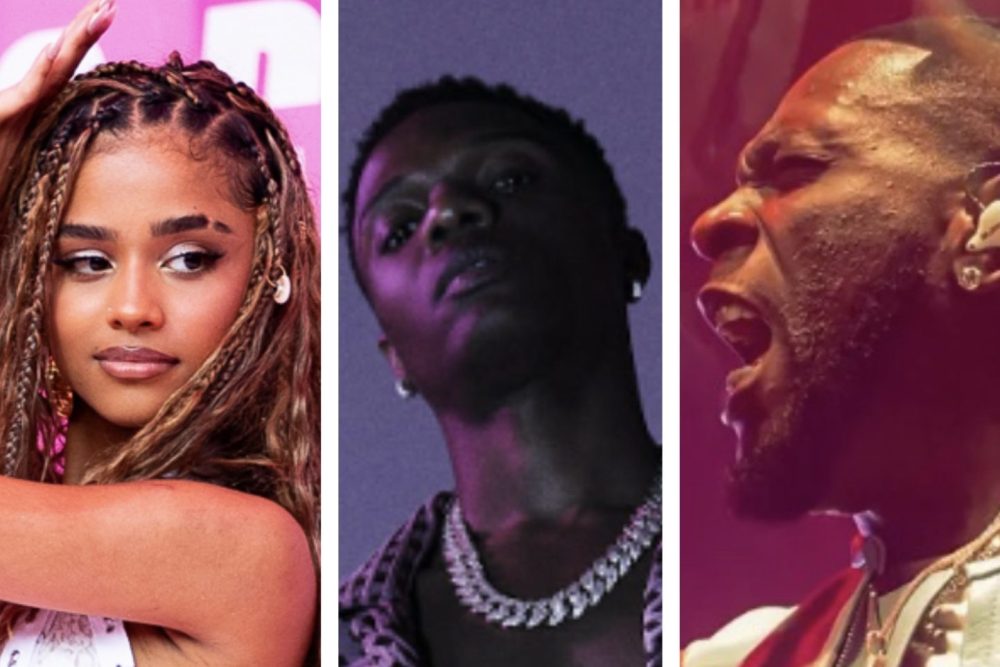
Afrobeats today is not just a sound — it’s a global cultural movement. Stadium tours, Grammy wins, and chart-topping collaborations have made names like Burna Boy, Wizkid, and Tiwa Savage household words from Lagos to London. But with this global rise comes a new urgency: how do we preserve the roots, stories, and creative spirit of Afrobeats for future generations — beyond playlists and fleeting social media posts?
Why Archiving Matters Now
The rise of Afrobeats has been rapid and decentralized. It grew through clubs, street parties, radio, YouTube, Instagram, and the diaspora, spreading organically across continents. Yet that same digital spread also makes its history fragile. Much of the culture lives on unstable platforms — private studio files, WhatsApp voice notes, Instagram clips, and hard drives that may never see daylight. Social media algorithms change, posts vanish, and personal archives can be lost forever.
Without intentional preservation, the story of how Afrobeats conquered the world risks being told only in fragments — or forgotten altogether. An archive is not about nostalgia; it’s about ownership of narrative. It ensures that the African voices who built this sound control its story, its context, and its evolution.
Building a Cultural Time Capsule
In recent years, grassroots initiatives and cultural organizations have begun tackling this challenge. Across Lagos, Accra, and London, collectors and curators are piecing together the visual and sonic history of Afrobeats. They are gathering everything from album covers and concert posters to radio jingles and oral histories.
Some are developing hybrid archives — part digital, part physical — where tangible items like vinyl, cassette tapes, and flyers coexist with digital recordings and photographs. These efforts are small but essential steps toward protecting a movement that continues to define modern African identity.
Learning from the Visual Storytellers
The visual side of Afrobeats is just as important as the music. Album covers, fashion editorials, and music videos have become central to how the genre communicates with the world. From Wizkid’s sleek, minimalist aesthetics to Tiwa Savage’s bold fashion statements, the imagery carries its own cultural codes.
Independent projects cataloging Nigerian album art, for instance, are doing crucial work by tracing the evolution of design and fashion across decades. Through these visuals, we can see how Afrobeats artists have drawn from tradition, innovation, and street culture to shape global trends.
More Than Music: Preserving the Ecosystem
Archiving Afrobeats isn’t just about saving songs. It’s about capturing the entire ecosystem — producers, dancers, DJs, photographers, promoters, and fans who made the genre thrive. The street carnivals, the dance moves born in neighborhoods, the club flyers that circulated by hand — these are vital parts of the story.
For example, the story of Afrobeats’ global expansion can’t be told without acknowledging the role of diaspora DJs in London or promoters who took a chance on Afrobeat nights in New York and Toronto. Documenting these contributions is key to understanding how the sound transcended geography.
Five Priorities for a Lasting Archive
Community-led Collecting:
Local collectors, photographers, and producers often hold priceless materials — from original demo tapes to unseen footage. Empowering them through training, grants, and collaboration ensures these treasures are safely preserved and shared.
Digital and Physical Redundancy:
A sustainable archive combines both worlds. Digital copies are easy to access, but physical masters, posters, and tapes need proper storage. Redundancy — having multiple backups — is essential for long-term preservation.
Clear Metadata and Rights:
Every archived item should include detailed information: who made it, when, where, and under what rights. This helps future researchers, ensures fair attribution, and maintains ethical standards.
Visual and Cultural Documentation:
The aesthetics of Afrobeats — its fashion, choreography, and visual identity — are as defining as its sound. These elements should be documented with as much care as the music itself.
Education and Access:
Archives should not sit behind closed doors. Exhibitions, podcasts, documentaries, and school programs can bring these stories to life for new audiences. Public engagement turns archives from storage rooms into cultural classrooms.
Artists as Custodians of Memory
Artists themselves can lead the preservation movement. Burna Boy’s “African Giant” era, Wizkid’s “Made in Lagos,” and Tiwa Savage’s global collaborations represent milestones that deserve structured documentation — not only for legacy but also for future study.
Producers, managers, and videographers can deposit session files, behind-the-scenes footage, and design drafts into trusted archives. Labels and streaming services, too, can support digitization projects or fund fellowships that train young African archivists.
A Shared Responsibility
Preserving Afrobeats is both a cultural and an economic investment. As global demand for African music grows, so does the value of its heritage. Proper archives can fuel documentaries, exhibitions, academic research, and even inspire future musical innovation.
The genre’s global reach makes it part of world heritage, but its roots are deeply African. Protecting that origin story ensures that future generations — both on the continent and in the diaspora — can trace their creative lineage.
The Beat Must Live On
Afrobeats is more than a soundtrack; it’s a living archive of African resilience, creativity, and pride. Each drumbeat, each lyric, each performance carries stories worth saving.
As the world continues to dance to the rhythm of Burna Boy, Wizkid, Tiwa Savage, and countless others, the time to act is now. We must document, preserve, and celebrate this moment — so that when the next generation looks back, they’ll find more than memories. They’ll find a legacy, carefully kept and proudly shared.

