


By Moses Chibuike Ezechukwu
From Nigeria to Egypt, Morocco and beyond, millions of Africans living abroad are sending billions of dollars home every year. But beyond supporting families, these financial contributions are increasingly shaping businesses, communities and the continent’s economic future.
A Financial Lifeline That Africa Can No Longer Ignore
Every month, millions of Africans living outside their home countries make financial sacrifices to support relatives back home. For some, it means paying school fees for younger siblings. For others, it means covering hospital bills, helping parents maintain their homes or providing capital for a family business.
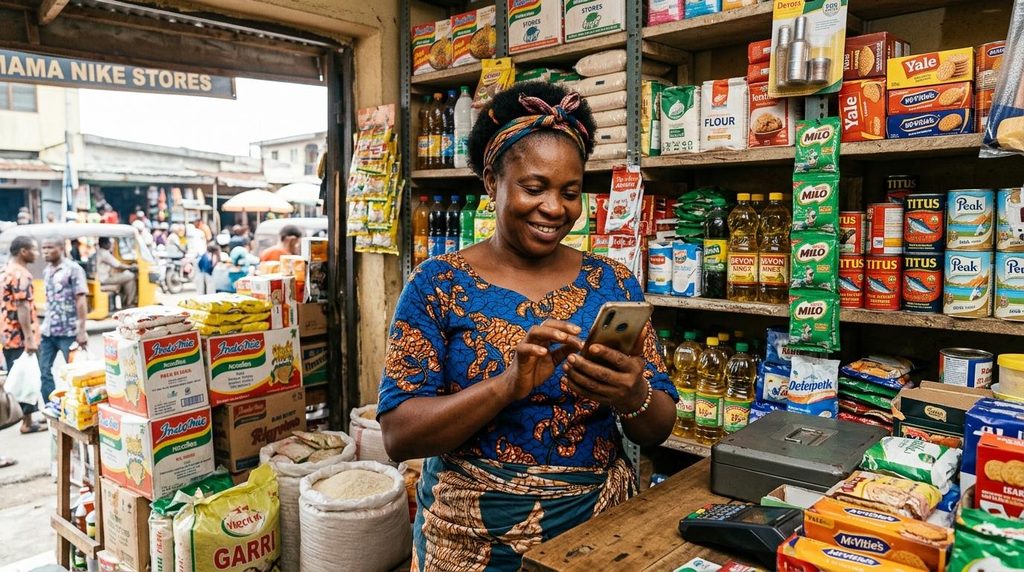
These transactions may appear ordinary to the people involved, but collectively, they represent an extraordinary economic force.
According to the International Fund for Agricultural Development (IFAD), Africa received approximately $124.2 billion in remittances in 2025.
This represents an 86 per cent increase compared with the $66.9 billion recorded in 2016.
The figures, published in IFAD’s Sending Money Home 2026 report, highlight how significantly financial contributions from Africans abroad have grown over the past decade.
More importantly, they reveal an economic reality that deserves greater attention: the African diaspora is not simply maintaining family relationships through financial support. It is helping sustain households, strengthen local economies and create opportunities in communities across the continent.
Egypt Takes the Lead as Nigeria Remains a Major Beneficiary
One of the most interesting developments in the latest figures is the emergence of Egypt as Africa’s largest recipient of diaspora remittances.
Egypt received approximately $41.5 billion in 2025, overtaking Nigeria, which recorded $22.8 billion.
Morocco followed with $13.7 billion, while Ethiopia and Kenya received approximately $7.1 billion and $5 billion respectively.
Together, these five countries accounted for approximately 73 per cent of Africa’s total remittance inflows
.
For Nigeria, the figures remain particularly significant.
With millions of Nigerians living and working across Europe, North America, the Middle East and other parts of Africa, money sent home has become an important source of financial support for households.
In many Nigerian communities, the contributions of relatives abroad are visible in everyday life. Families depend on them to maintain their standard of living, finance education, purchase property and respond to unexpected financial difficulties.
However, Nigeria’s position behind Egypt also raises an important question about how the country can better encourage diaspora participation in productive investment rather than relying predominantly on money transferred for household consumption.
More Than Family Support: Where Does the Money Go?
It is easy to discuss remittances in terms of billions of dollars without appreciating what the money actually means to ordinary people.
Behind the statistics are families making decisions about survival, education, healthcare and their future.
For many households, remittances provide money for food, electricity, accommodation and other essential expenses. They also help families respond to emergencies without necessarily turning to expensive loans.
Education is another major beneficiary. Parents and guardians often depend on relatives abroad to pay university tuition, examination fees and other educational expenses.
Healthcare is equally important.
When medical emergencies arise, financial assistance from family members overseas can make the difference between receiving treatment and postponing essential care.
Housing also receives considerable attention. Some diaspora members send money to purchase land, complete unfinished buildings or renovate family properties.
Others support small businesses, agricultural activities and other income-generating projects.
IFAD’s research highlights that approximately three-quarters of remittances globally go towards immediate household needs, while the remaining quarter supports longer-term priorities, including education, healthcare, housing, savings and enterprise.
This distinction is important because it demonstrates that remittances serve both immediate and long-term economic purposes.
Smaller African Economies Depend Even More on Diaspora Money
Although Egypt and Nigeria dominate the rankings in terms of the total amount received, some smaller African economies depend much more heavily on remittances relative to their economic size.
The Gambia provides a striking example.
According to IFAD, remittances accounted for approximately 22 per cent of the country’s gross domestic product in 2025. Liberia, Comoros and Lesotho each recorded approximately 21 per cent.
Senegal also recorded significant dependence, with remittances representing approximately 11 per cent of GDP.
These figures demonstrate that diaspora contributions are particularly important to countries with smaller economies and limited alternative sources of foreign income.
For households in these countries, a disruption in remittance payments could have serious consequences.
Changes in employment opportunities abroad, exchange rates or international transfer costs could directly affect families and local businesses.
It also highlights the importance of protecting the financial channels through which these contributions reach their destinations.
Africa’s Diaspora Contributions Come at a Time of Declining Foreign Aid
The growing importance of remittances becomes even more apparent when compared with international development assistance.
According to the Organisation for Economic Co-operation and Development (OECD), bilateral official development assistance to Africa fell to approximately $29 billion in 2025, representing a 23.9 per cent decline in real terms.
For sub-Saharan Africa specifically, bilateral assistance fell by 26.3 per cent to approximately $24.5 billion.
Meanwhile, Africa received $124.2 billion in remittances during the same year.
This comparison demonstrates the enormous financial significance of money sent home by Africans abroad.
However, it is important to recognise that remittances and foreign aid serve different purposes. Remittances are private funds belonging to individuals and families, while development assistance supports broader public and institutional objectives.
Consequently, diaspora contributions should complement government investment and international development programmes rather than replace them.
Nevertheless, the contrast reinforces the need for African governments to take diaspora engagement more seriously.
The Untapped Opportunity: Turning Remittances into Investment
Despite the impressive figures, Africa has yet to fully explore the economic potential of its diaspora communities.
A significant portion of the money received is understandably spent on immediate household needs.
However, there are opportunities to make it easier for interested diaspora members to invest in businesses, agriculture, housing and other productive sectors.
For example, a Nigerian living in the United Kingdom could potentially finance a legitimate agricultural business in Nigeria without having to return home to supervise every transaction.
Similarly, an African professional working in Canada could invest in property development or support a growing business in their country of origin.
The challenge is trust.
Many diaspora investors are concerned about fraudulent property transactions, unreliable business partners, poor accountability and difficulties monitoring investments from overseas.
Governments and financial institutions must address these concerns by strengthening property documentation, improving investment regulations, expanding digital financial services and creating transparent investment opportunities.
Technology can also play an important role.
Digital banking, mobile money and international payment platforms are making it increasingly convenient to transfer funds across borders.
However, IFAD’s report shows that only 35 per cent of the remittance services measured in 2025 were fully digital at both the sending and receiving ends.
There is still considerable room for improvement.
The Cost of Sending Money Remains a Challenge
Another issue requiring attention is the cost of international transfers.
IFAD estimates that sending $200 to Africa through non-bank services cost an average of 7.2 per cent in the third quarter of 2025.
Although this represents an improvement from the 9 per cent recorded in 2016, it remains considerably higher than the United Nations Sustainable Development Goal target of reducing remittance costs to below 3 per cent.
For someone sending money regularly, these charges can accumulate into substantial amounts over time.
Reducing transfer costs would allow more money to reach African households and businesses, providing additional financial support without requiring migrants to increase their contributions.
African governments, regulators and financial technology companies therefore have an important role in improving competition, expanding digital payment infrastructure and making cross-border transactions more affordable.
Africa Must Recognise the Value of Its Diaspora
The African diaspora represents more than a source of foreign currency. It is a community of professionals, entrepreneurs, investors and skilled individuals whose contributions extend beyond financial transfers.
The $124.2 billion received in 2025 is evidence of the strong relationship that continues to connect Africans abroad with their countries of origin.
For Nigeria, this presents an opportunity to build a more productive relationship with its citizens overseas. Rather than viewing diaspora communities primarily as people who send money home, the country should recognise them as potential partners in national development.
Creating an environment where investments are protected, businesses can grow and financial transactions are transparent could encourage more Africans abroad to participate in the continent’s economic transformation.
Ultimately, the question is no longer whether the African diaspora contributes significantly to the continent.
The figures have already established that.
The bigger question is whether African countries can create the right conditions to transform this enormous financial commitment into sustainable economic opportunities for future generations.
Africa’s diaspora has been sending money home. It is time for the continent to build an investment environment worthy of that commitment.

