


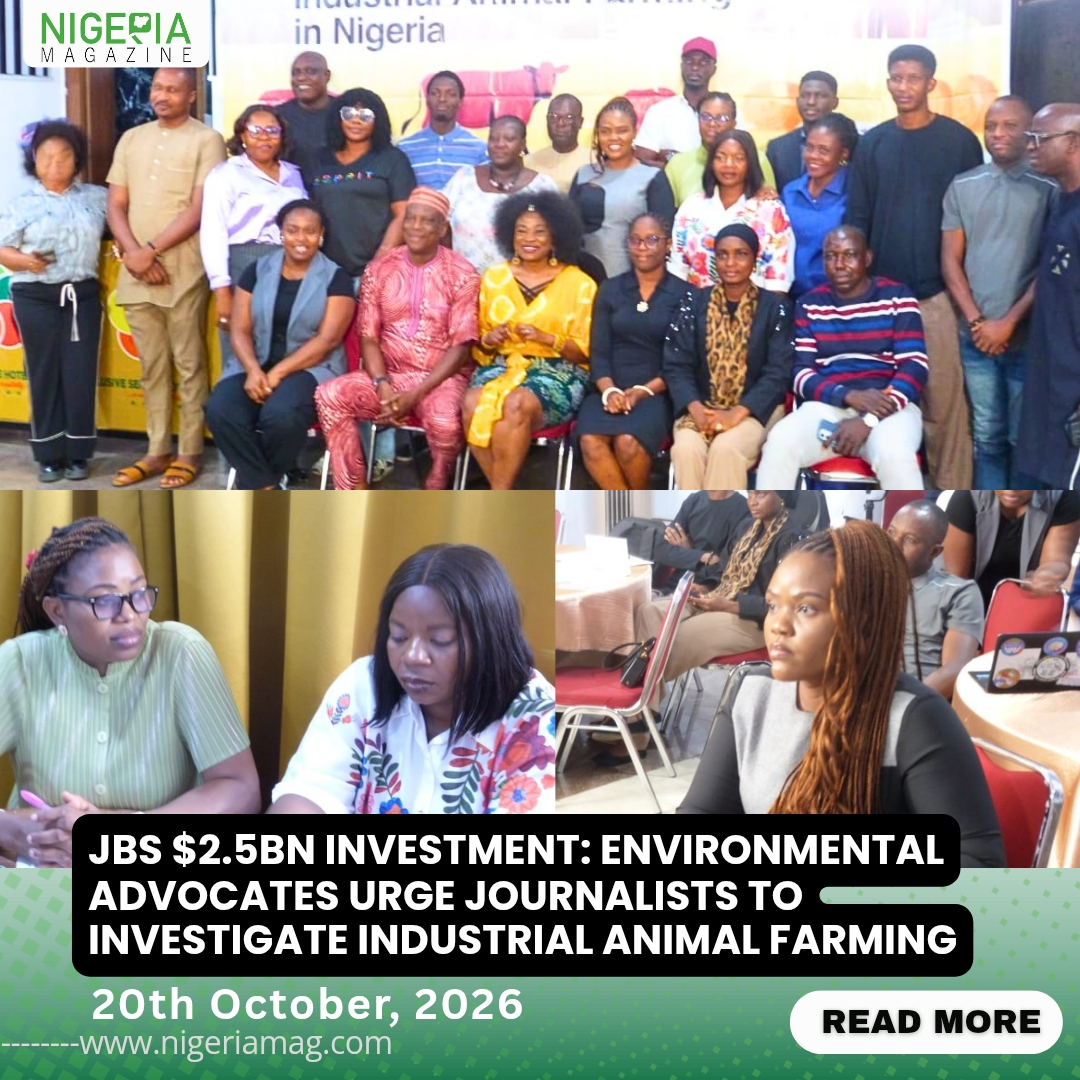
Nigeria’s proposed $2.5 billion investment by global meat-processing giant JBS is attracting renewed scrutiny, as environmental advocates warn that the expansion of industrial animal farming could have far-reaching consequences for local farmers, rural communities, public health and the environment.
While the Federal Government has presented the investment as an opportunity to strengthen food production, create employment and develop Nigeria’s livestock industry, environmental campaigners are asking whether the country has adequately examined the potential costs of the proposed project.
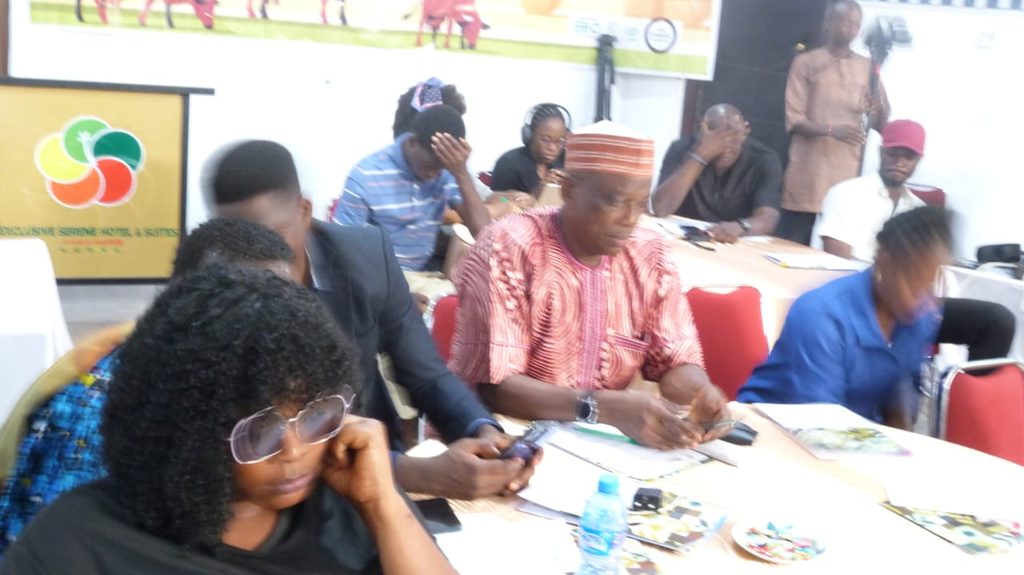

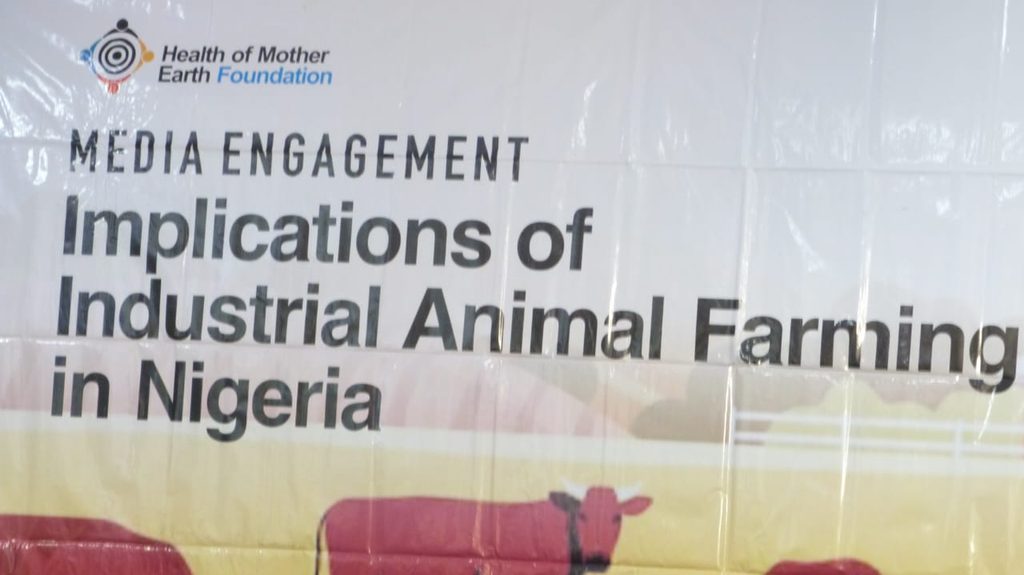
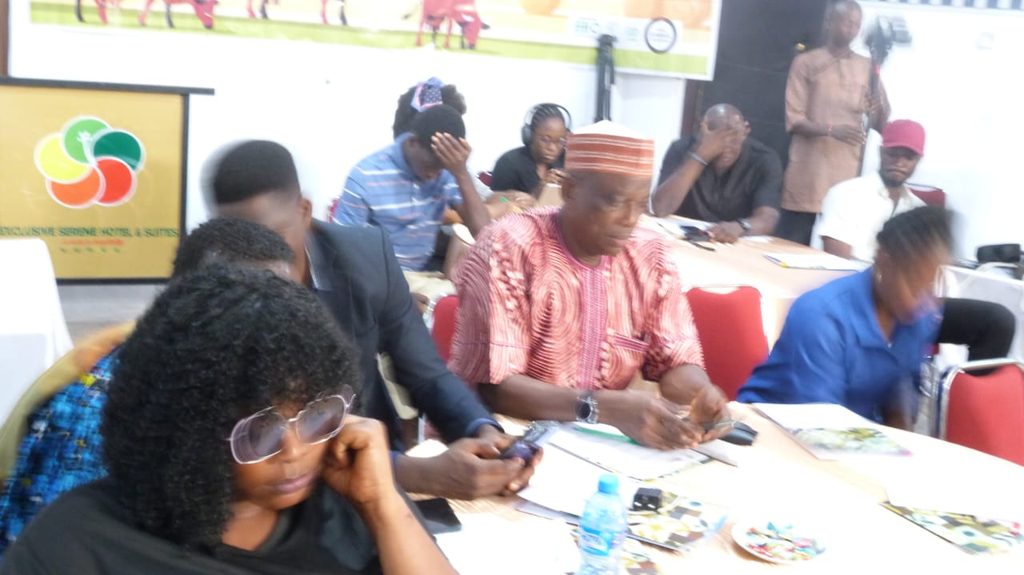
These concerns formed the centre of discussions at a journalist training organised in Abuja by the Health of Mother Earth Foundation (HOMEF) and Environmental Rights Action (ERA), in collaboration with the Youth in Agroecology and Restoration Network and HEDA Resource Centre.
The training, held on Wednesday, November 18, 2026, at Exclusive Serene Hotel, Wuye, Abuja, featured case studies, documented experiences of existing industrial farms in Nigeria, video screenings examining JBS’s activities in other countries and panel discussions.
JOURNALISTS URGED TO TAKE SPECIAL INTEREST
Speaking at the training, Joyce Brown, Director of Programmes at the Health of Mother Earth Foundation, called on journalists to take a special interest in investigating industrial animal farming and its potential consequences for Nigeria.
She emphasised the importance of media scrutiny in examining the environmental, public health and socioeconomic implications of large-scale animal farming, particularly as the country considers major investments in the livestock sector.
DEMAND FOR TRANSPARENCY OVER JBS AGREEMENT
Mariann Bassey-Olsson, Deputy Executive Director of Environmental Rights Action/Friends of the Earth Nigeria, presented reports detailing allegations and investigations concerning JBS’s activities in other countries.
She called on the company to make public its Letter of Intent and Memorandum of Understanding with the Nigerian government, stressing the need for transparency regarding the proposed investment.
The Nigerian Investment Promotion Commission documented the proposed $2.5 billion investment in November 2024, with plans for six processing facilities over five years.

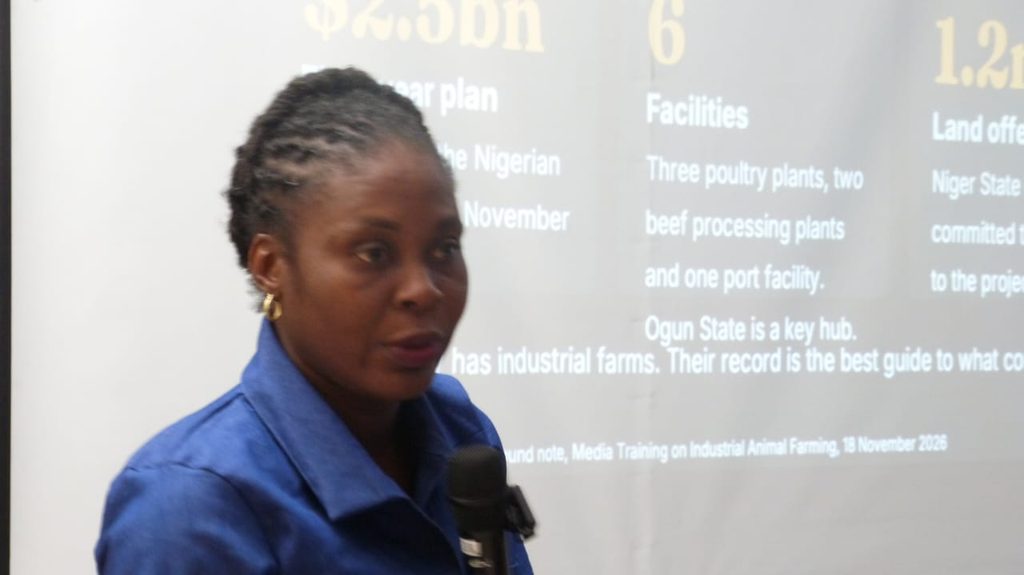
However, environmental advocates insist that Nigerians deserve to understand the terms of the investment, the commitments made by both parties and the safeguards designed to protect affected communities.
BEYOND THE $2.5 BILLION: WHO WILL BENEFIT?
In her presentation titled Real-Life Impacts of Industrial Animal Farming in Nigeria, Adesuwa James Jang, Founder and Team Lead of Youth for Environmental Sustainability and Development (YESD), challenged Nigerians to look beyond the attractive investment figure and examine the project’s potential implications.
She raised questions about who would benefit from the employment opportunities, where the proposed facilities would be established and how the company intended to carry out its operations.
The presentation also examined the potential consequences for smallholder farmers, local livestock businesses and communities whose livelihoods depend on agriculture.
While the proposed investment is being promoted as an opportunity to expand domestic meat production and create thousands of jobs, the presentation questioned whether those benefits would be distributed fairly or whether existing livelihoods could be displaced.
COMMUNITIES AND THE ENVIRONMENT: WHAT EXISTING CASE STUDIES REVEAL
One of the significant aspects of the training was the presentation of documented experiences from existing industrial agricultural and livestock operations in Nigeria.
Findings from research presented at the training indicated that 60 per cent of respondents in the communities studied reported losing farmland to industrial agricultural projects.
Similarly, 76.7 per cent reported experiencing air pollution, while 63.3 per cent said nearby industrial activities had contaminated their water sources.
The presentation also drew attention to concerns around Kara Abattoir, where the discharge of slaughterhouse waste into the Ogun River has raised environmental and public health questions.
Other examples from Lagos, Abia and Benue states highlighted concerns about waste disposal, pollution and possible contamination of water resources.
These experiences raise questions about the capacity of existing environmental regulations and enforcement institutions to manage the additional pressures that could accompany large-scale industrial livestock production.
THE CLIMATE CHANGE DIMENSION
Beyond pollution and land use, the training examined the relationship between industrial animal farming and climate change.
Livestock production, particularly cattle farming, contributes to methane emissions, a greenhouse gas with significant implications for global warming.
THE BIGGER QUESTION FOR NIGERIA
Nigeria’s livestock sector requires investment, improved infrastructure, modern processing facilities and policies capable of strengthening food production.
However, the debate surrounding JBS’s proposed investment raises a fundamental question about the model of agricultural development the country intends to pursue.
Should Nigeria prioritise large-scale industrial animal farming, or strengthen existing smallholder farmers and promote more decentralised, sustainable and agroecological food production systems?
For environmental advocates, attracting foreign investment should not come at the expense of the environment, public health and the livelihoods of communities.
Ubong Usoro for Nigeria Magazine

