


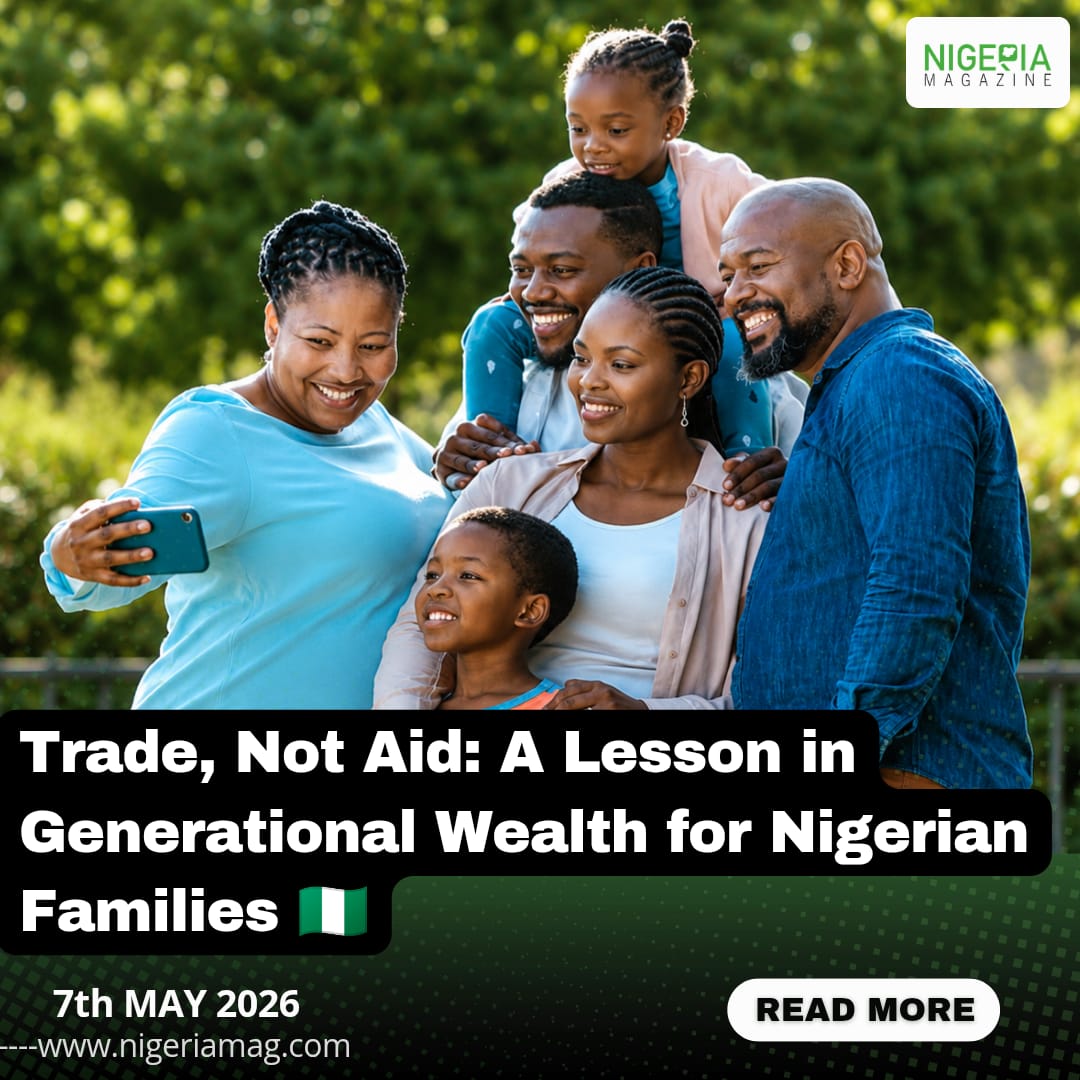
In many Nigerian homes, the conversation around inheritance follows a familiar pattern. When parents pass on property or land, the next step is often division, sell the asset, share the money, and move on. It feels practical. It feels fair. But in the long run, it often leaves little behind.
What if that pattern is the problem?
A recent story from the United States offers a different perspective, one that Nigerian families, entrepreneurs, and even policymakers should pay attention to. Twelve siblings inherited their parents’ estate. Instead of breaking it up, they brought it together.
They invested in land, built a business, and turned that inheritance into a long-term economic engine.
That decision carries lessons far beyond America.
The Nigerian Reality
Across Nigeria, land remains one of the most valuable assets a family can own. From the villages in Akwa Ibom to growing urban centres like Abuja and Lagos, land is not just about shelter, it is about identity, security, and opportunity.
Yet, many families are losing this advantage, not because they lack assets, but because they lack strategy.
When land is divided among multiple heirs, it often becomes too small to be useful. When it is sold, the money is quickly spent, on ceremonies, daily needs, or short-term investments. Within a few years, what once took decades to build disappears.
This cycle has repeated itself across generations.
From Inheritance to Investment
The real question is not whether families should share inheritance, but how.
The example of the twelve siblings introduces a powerful idea: consolidation over fragmentation. Instead of each person taking a piece, they treated the inheritance as a collective asset. They asked a different question, not “What can I get now?” but “What can we build together?”
That mindset shift is critical.
Imagine a Nigerian family inheriting land in a developing area like Lugbe, Gwagwalada, or Uyo. Instead of selling it, they could develop rental apartments, a small farm estate, a school, or even a hospitality business. The returns may take time, but the value would grow, and more importantly, it would remain within the family.
Why “Trade, Not Aid” Matters
For years, conversations about development, especially in Africa, have leaned heavily on aid. But aid, by nature, is temporary. It solves immediate problems without always creating lasting systems.
Trade, on the other hand, builds capacity.
What these siblings demonstrated is not charity, it is ownership. They did not wait for external funding. They did not depend on institutions. They used what they had and built something sustainable.
That principle applies directly to Nigeria.
Families do not always need large capital to start building wealth. What they need is coordination, trust, and a shared vision.
The Power of Collective Ownership
One of the biggest challenges in Nigerian families is trust. Disputes over land and property are common. Court cases drag on for years. Relationships break down.
But where there is unity, there is opportunity.
Collective ownership, when properly managed, can unlock significant value. It allows families to pool resources, share risk, and build projects that individuals might not afford alone.
However, it requires structure, clear agreements, defined roles, and transparency. Without these, even the best intentions can fail.
Building for the Next Generation
Perhaps the most important lesson is this: wealth is not just about money, it is about continuity.
When assets are preserved and developed, the next generation starts from a higher level. They inherit not just property, but systems, income streams, and opportunities.
In contrast, when everything is sold, each generation starts from zero.
Nigeria cannot afford to keep restarting.
A Different Way Forward
This is not to suggest that every family must hold onto every asset. There are situations where selling is necessary. But it should not be the default decision.
Families should begin to ask:
Can this asset generate income?
Can we develop it instead of disposing of it?
Can we manage it collectively for long-term benefit?
These questions may seem simple, but they can change outcomes over time.
Nigerian families have to make this choice.
Divide or build. Spend or invest. Now or later.
Generational wealth is not created by chance. It is built through deliberate decisions, often difficult ones, that prioritise the future over immediate comfort.
If more Nigerian families begin to see inheritance not as an end, but as a starting point, then perhaps the next generation will inherit more than memories.
They will inherit momentum.
Ubong Usoro for Nigeria Magazine

