


After several years of global economic shocks, Africa is entering 2026 with renewed optimism. While the continent’s growth slowed to 3.6% in 2022 and 2.5% in 2023, projections point to a steady recovery, with GDP growth expected to reach 3.5% in 2025 and accelerate to about 4.3% in 2026–27. Beyond short-term fluctuations, Africa’s long-term fundamentals—demographics, urbanisation, and market size—continue to position it as one of the world’s most compelling frontiers for business and investment.
Home to over 1.1 billion people, roughly 15% of the global population, Africa represents a vast and expanding consumer market. Annual consumption is estimated at $4 trillion and could rise to $5.5 trillion by 2025. Despite structural challenges, the continent’s ongoing economic and social transformation is unlocking opportunities across multiple sectors.
Africa Today: Economy, Population and Transformation
Africa’s economic performance over the past two decades has been notable. Between 2000 and 2010, the continent grew at an average annual rate of 4.8%, well above the global average. Growth moderated to about 3.1% between 2011 and 2020 but still outpaced the global rate. However, this progress has been uneven and highly dependent on commodities.
More than half of African countries rely on oil, gas or minerals for at least 60% of export revenues, exposing them to global price volatility. In addition, over 50% of Africa’s foreign trade is concentrated in just five non-African economies.
Small and medium-sized enterprises (SMEs) are the backbone of African economies, accounting for roughly 80% of employment. Yet access to finance remains a major constraint: in 2023, nearly one-third of SMEs cited lack of financing as their primary obstacle to growth. Addressing this gap is critical for unlocking entrepreneurship and productivity.
Demographically, Africa is the youngest continent in the world. About 70% of Sub-Saharan Africans are under the age of 30, and the population—currently around 1.5 billion—is projected to reach 5 billion by 2050. By 2030, 42% of the world’s youth will be African, reshaping global labour markets, consumption patterns and innovation ecosystems.
Urbanisation is accelerating rapidly. Africa is expected to become majority-urban by 2035, with the urban population growing from 471 million in 2015 to about 1.34 billion by 2050.
Much of this growth is taking place in small and medium-sized cities, creating demand for housing, infrastructure, transport and services, while also posing challenges related to poverty and informality—around 43% of urban residents currently live below the poverty line.
International Trade and Economic Integration
Africa accounts for only about 3% of global trade, but this is beginning to change. The African Continental Free Trade Area (AfCFTA), launched in 2018, is the world’s largest economic integration project by number of participating countries. By eliminating tariffs on 90% of goods and facilitating the movement of services, capital and business travellers, AfCFTA has the potential to increase intra-African trade by more than 50% within a decade—and possibly double it.
Despite more than 200 regional groupings, intra-African trade remains limited, representing just 23% of exports and 13% of imports as of 2020. High transport costs, weak infrastructure and limited production diversity continue to hinder integration. Importing a container into Africa costs, on average, $2,492—far higher than in East Asia or Latin America. Reducing these bottlenecks is essential for building regional value chains and boosting competitiveness.
Sectors with the Highest Investment Potential
Energy and Natural Resources
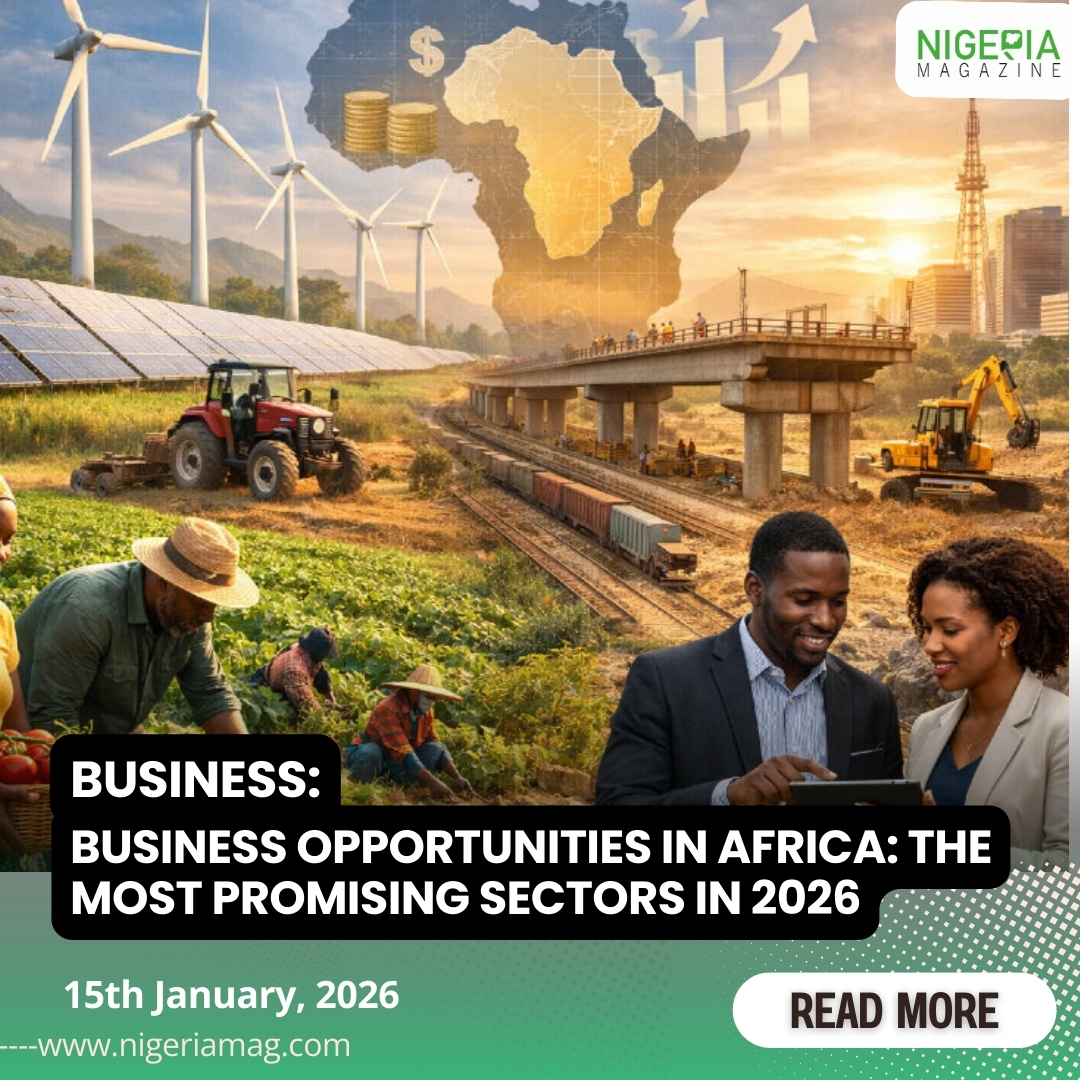
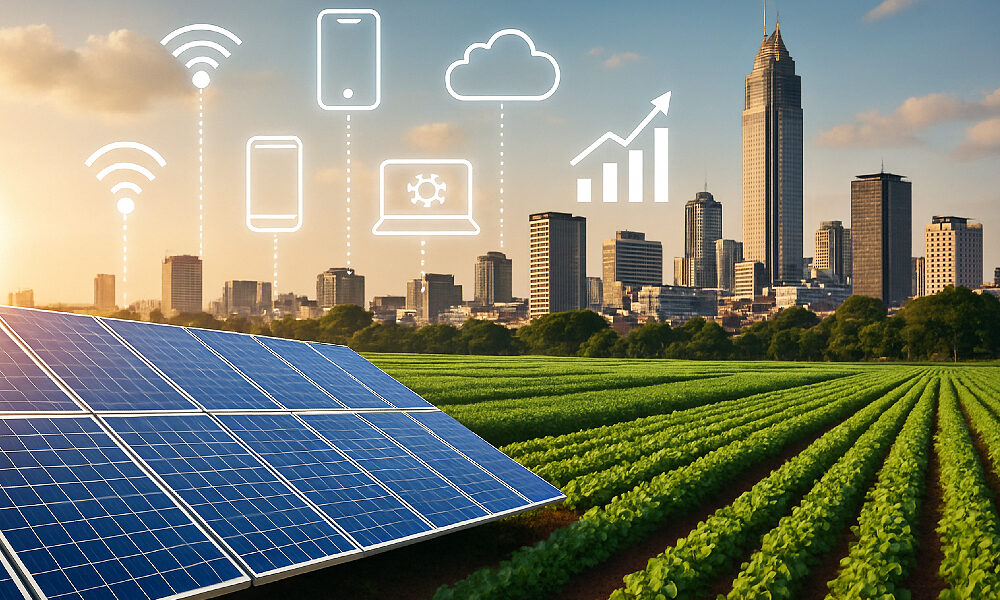
Africa holds around 60% of the world’s solar potential, yet attracts only about 3% of global energy investment. More than 600 million Africans still lack access to electricity, highlighting both a development challenge and a massive business opportunity. Renewable energy—solar, wind, hydro and green hydrogen—is emerging as a key growth sector. Projects such as Mauritania’s green hydrogen initiative, expected to attract $34 billion in investment, illustrate the scale of opportunity. Countries like Rwanda have shown how targeted policies can rapidly expand access and attract private capital.
Agribusiness and Food
With a quarter of the world’s arable land, Africa could play a decisive role in meeting global food demand, which must increase by 50% by 2050. Yet the continent currently accounts for only 10% of global agricultural output. The agribusiness sector is projected to reach $1 trillion by 2030. Integrating smallholder farmers—who produce up to 70% of Africa’s food—into value chains through processing, logistics and technology offers significant returns while creating jobs and improving food security.
Technology and Digital Services
Africa’s digital economy is expanding rapidly. In 2022, exports of digitally delivered services grew by 8%, double the global average, reaching nearly $33 billion. These exports are expected to rise by $74 billion between 2023 and 2040.
Countries such as Ghana, which leads the region with $6.2 billion in digital exports, are becoming hubs for fintech, e-commerce and business process outsourcing. Notably, digital trade is also fostering inclusion: three out of four African businesses operating exclusively online are women-owned.
Infrastructure and Transportation
Infrastructure deficits remain one of Africa’s biggest constraints. The African Development Bank estimates that $130–170 billion is needed annually to close the infrastructure gap. Transport, in particular, is critical. High logistics costs undermine export competitiveness and raise consumer prices. In response, the African Union is promoting multimodal transport corridors, including trans-African highways and a continent-spanning rail network, creating long-term opportunities for investors in construction, logistics and mobility.
Countries Leading in Business Opportunities
Several countries stand out for their combination of market size, stability and reform momentum. Ghana offers political stability, investor-friendly policies and strong growth prospects, particularly in mining and services. Nigeria, Africa’s largest economy, combines vast oil resources with a rapidly expanding consumer market driven by its population of over 226 million, projected to exceed 400 million by 2050. South Africa remains a gateway to the continent, hosting around 75% of Africa’s corporate headquarters and a diversified services sector.
Other fast-growing markets include Côte d’Ivoire, with sustained growth of 9–10% over the past decade; Kenya, a leader in digital innovation and sustainable infrastructure; and Senegal, projected to rank among the world’s fastest-growing economies, supported by political stability and industrial investment incentives.
Challenges and Keys to Success
Despite its promise, Africa faces persistent challenges: widespread poverty, inequality, infrastructure gaps and dependence on external aid. Power shortages alone are estimated to cost African economies 2–4 percentage points of growth annually. For investors, success depends on more than capital. Public-private partnerships, deep understanding of local contexts, and sustainable, socially responsible business models are critical.
Impact investing and sustainability-focused strategies are gaining traction, demonstrating that profitability and positive social outcomes can go hand in hand. Companies that invest in local capacity, respect cultural and regulatory differences, and align with long-term development goals are best positioned to thrive.
In 2026, Africa stands at a pivotal moment. The gradual implementation of AfCFTA, rapid urbanisation, demographic momentum and technological adoption are reshaping the continent’s economic landscape.
While challenges remain, the opportunities—in energy, agribusiness, digital services and infrastructure—are vast. For businesses willing to take a long-term view, build partnerships and invest responsibly, Africa offers one of the most dynamic and promising growth stories of the coming decades.

