


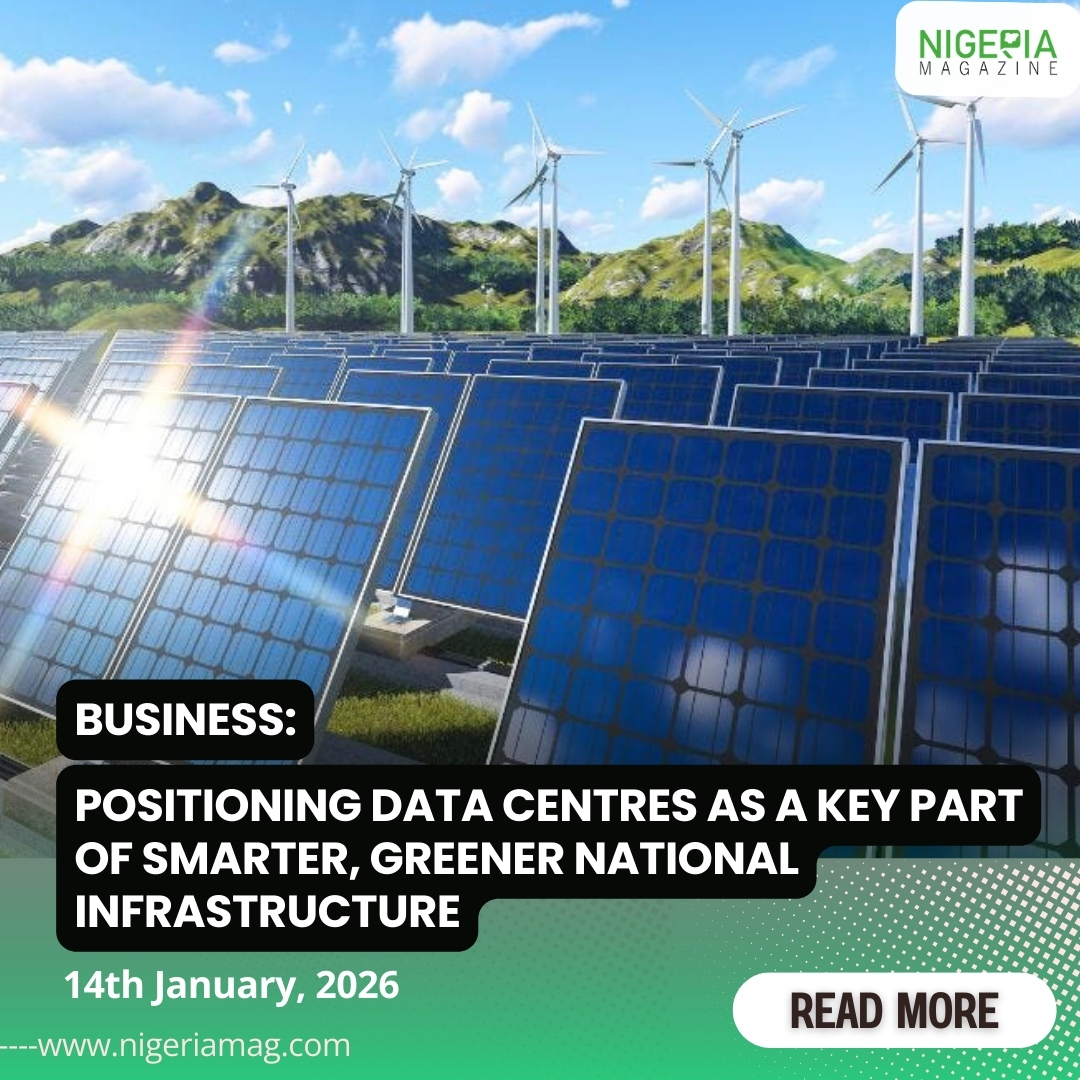
As nations navigate 2026’s twin imperatives of digital transformation and climate responsibility, data centres have moved from the background of national planning to its very core. Once perceived merely as energy-hungry warehouses for servers, data centres are now increasingly recognised as strategic assets: enablers of economic growth, foundations of smart infrastructure, and potential partners in the transition to greener, more resilient societies.
The challenge—and opportunity—for governments, regulators, and industry leaders is to intentionally position data centres as an integral part of smarter, greener national infrastructure.
From Hidden Backbone to Strategic Infrastructure
Data centres underpin almost every aspect of modern life. Cloud computing, artificial intelligence, fintech, e-government services, smart grids, autonomous transport, healthcare systems, and media platforms all depend on reliable, high-performance data infrastructure.

In 2026, with AI workloads expanding rapidly and data volumes growing exponentially, national competitiveness is increasingly linked to the availability, resilience, and efficiency of domestic data centre capacity.
Recognising data centres as critical national infrastructure is a necessary first step. This framing elevates them alongside transport, energy, water, and telecommunications networks, ensuring they are factored into long-term national development plans. It also encourages coordinated policymaking across energy, digital economy, climate, and urban development portfolios—breaking down silos that have historically limited holistic infrastructure planning.
Enabling Smarter Nations
Modern data centres are foundational to “smart nation” agendas. They process and store the data generated by smart cities, intelligent transport systems, digital identity platforms, and real-time public services. Low-latency, locally hosted data centres enable faster decision-making, improved cybersecurity, and greater data sovereignty.
For governments, proximity matters.
Strategically located edge and regional data centres reduce reliance on distant facilities, improving performance while supporting regional economic development. This decentralised model also enhances national resilience by reducing single points of failure during natural disasters, cyber incidents, or geopolitical disruptions.
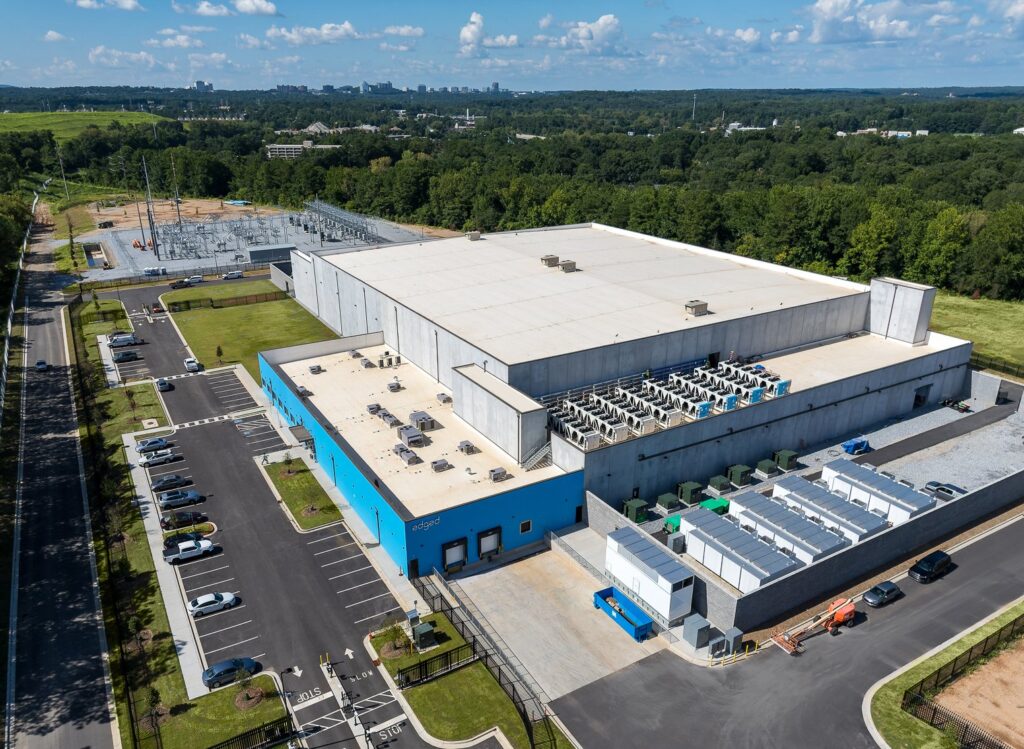
Moreover, data centres support innovation ecosystems. By anchoring cloud availability zones and AI compute hubs, they attract technology firms, startups, research institutions, and global investors. In this sense, data centres are not just infrastructure—they are catalysts for digital industrialisation and high-value job creation.
Addressing the Energy and Sustainability Challenge
Despite their strategic value, data centres’ energy consumption remains a central concern.
As of 2026, global data centre electricity demand continues to rise, driven largely by AI training, inference, and high-density computing. Without deliberate intervention, this growth risks clashing with national decarbonisation targets.
Positioning data centres as part of greener infrastructure requires reframing them not as passive energy consumers, but as active participants in energy systems. Many leading operators are already demonstrating what is possible:
Renewable Integration: Data centres are increasingly co-located with renewable energy sources or supported by long-term power purchase agreements (PPAs) for wind, solar, hydro, or geothermal power. This provides demand certainty for renewable projects while reducing carbon intensity.
Grid Flexibility: Advanced data centres can modulate non-critical workloads in response to grid conditions, effectively acting as flexible demand assets. This supports grid stability and enables higher penetration of intermittent renewables.
Waste Heat Reuse: In colder and temperate regions, excess heat from data centres is being reused to warm homes, offices, hospitals, and greenhouses—transforming a by-product into a community resource.
Water Stewardship: New cooling technologies, including liquid cooling and closed-loop systems, are significantly reducing water usage, a critical consideration in water-stressed regions.
When supported by smart regulation and incentives, these practices allow data centres to align with national climate goals rather than compete with them.
The Role of Policy and Planning
Governments play a decisive role in shaping how data centres contribute to smarter, greener infrastructure. Clear, forward-looking policy frameworks are essential. These include:
Integrated Infrastructure Planning: Coordinating data centre development with energy generation, transmission upgrades, and urban planning to avoid bottlenecks and inefficiencies.
Sustainability Standards: Establishing transparent benchmarks for energy efficiency, carbon intensity, and water usage that encourage best practices without stifling investment.
Streamlined Permitting: Accelerating approvals for projects that demonstrably support national digital and sustainability objectives.
Skills and Workforce Development: Investing in education and training to build the specialised workforce required to design, operate, and innovate in next-generation data infrastructure.
Crucially, policy must strike a balance—providing certainty and direction while remaining flexible enough to accommodate rapid technological change.
Data Centres as Partners in National Resilience
Climate change, cyber threats, and geopolitical uncertainty have elevated resilience as a core infrastructure priority. Properly designed data centres enhance national resilience through redundancy, secure data storage, and disaster recovery capabilities. When distributed geographically and powered by diverse energy sources, they reduce systemic risk and support continuity of essential services.
In emergencies, data centres enable real-time coordination, communications, and analytics for government agencies and first responders. Their role gives further weight to the argument that they should be planned, protected, and invested in as essential public-interest assets.
Looking Ahead
In 2026, the question is no longer whether data centres are vital to national infrastructure, but how deliberately nations choose to integrate them into their development and sustainability strategies. By positioning data centres as smart, flexible, and increasingly green infrastructure, countries can unlock digital growth while advancing climate and resilience goals.
The path forward lies in collaboration—between government, industry, utilities, and communities.
With the right vision and governance, data centres can evolve from perceived environmental liabilities into visible symbols of a smarter, greener, and more resilient national future.

