


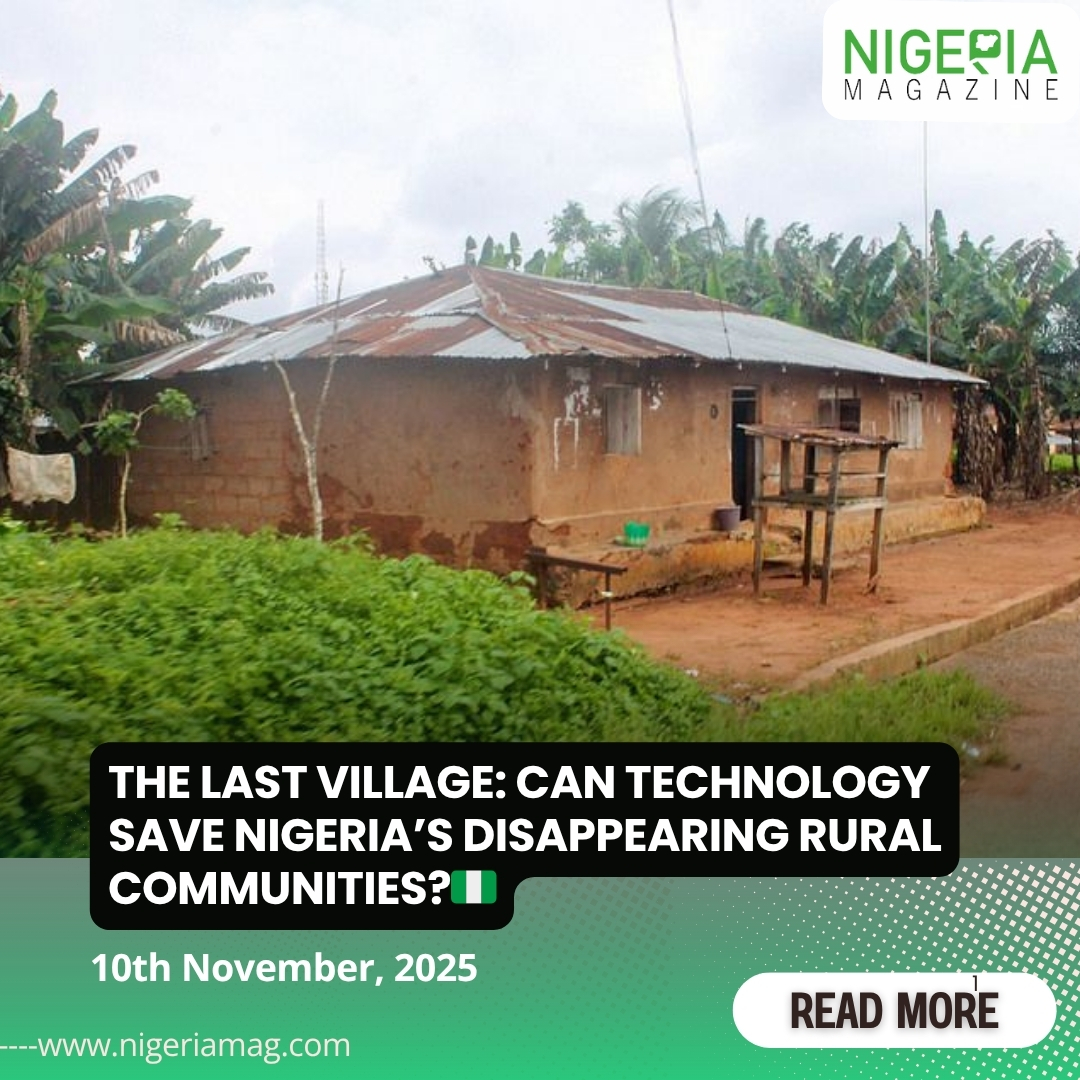
On the rough red roads that stitch Nigeria’s countryside, a quiet exodus is remaking the nation. Once-dense rural settlements are shrinking as young people head to Lagos, Abuja, and overseas for jobs, services, and safety. The rural share of Nigeria’s population has been falling for years — less than half of Nigerians now live in rural areas — a slow-motion collapse with big cultural and ecological consequences.
Villages are more than houses grouped on a map. They are living systems — local knowledge, foodways, forests, and floodplains managed by communities. As young farmers leave, fields lie fallow, elders lose care networks, and local languages and rituals erode. Policymakers and activists worry that shrinking rural populations make sustainable land stewardship and food security harder to maintain, while cities buckle under rapid in-migration.
The Push and Pull: A Mix of Economics, Insecurity, and Climate Shocks
The causes are familiar but intensifying. Limited access to reliable power, health care, and markets makes rural life tougher; episodic violence in parts of the north has forced whole communities to abandon their homes; and climate change has made smallholder farming more precarious. Conflict-driven displacement has hollowed many settlements, especially in the northeast. Those who stay face a future of shrinking opportunity.
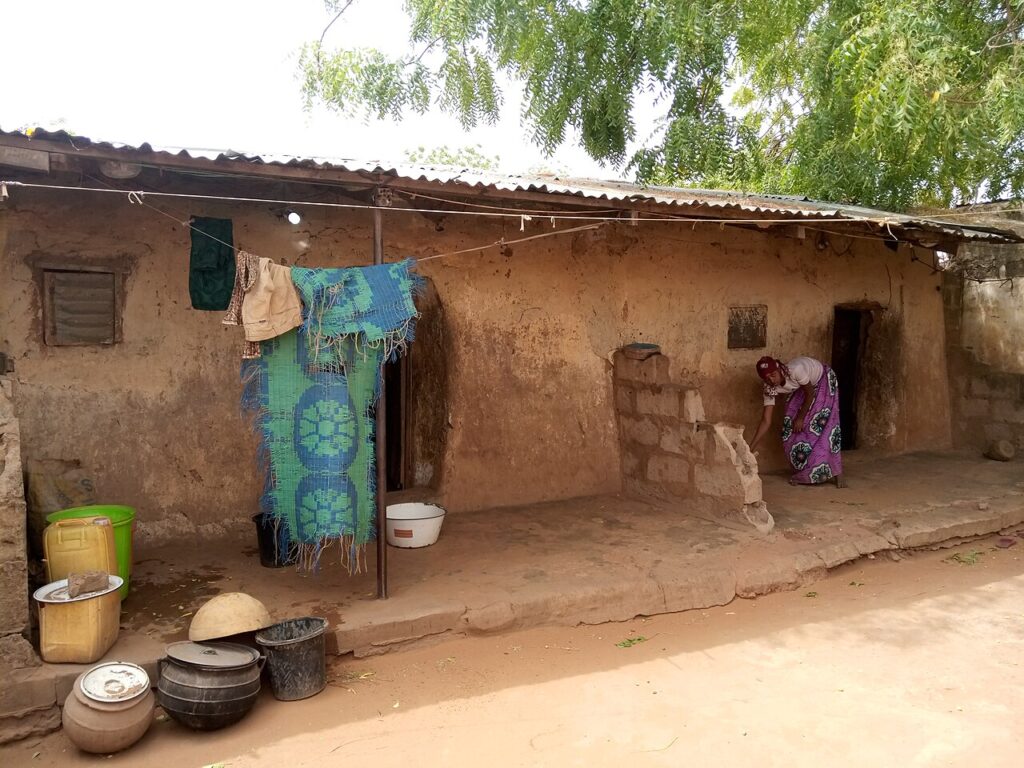
Can technology reverse the trend — or at least slow it? The answer is: sometimes, but only if tech is married to local culture and politics.
What’s Already Working (and Why It Matters)
Off-grid power and micro-grids.
Solar microgrids and decentralised energy systems supply schools, clinics, and small businesses with reliable electricity — often the single biggest bottleneck to local enterprise. Where microgrids are well-implemented, they lengthen productive hours, power cold storage for perishables, and make clinics usable after sundown. But technical success needs affordable tariffs, local maintenance capacity, and careful governance to avoid creating new inequalities.
Digital finance and mobile money.
Mobile payments and agent banking have expanded transaction access for rural Nigerians, enabling savings, remittances, and small loans without long trips to town. Fintech companies designing for low-cost phones and agent networks are bringing financial services to markets and traders that used to be cash-only — a practical bridge that supports rural livelihoods. Yet uptake varies by gender and location, and cash still dominates many transactions.
Agri-tech and precision tools.
Simple cellular apps, SMS advisory services, and emerging Internet-of-Things (IoT) systems are helping farmers time planting, forecast pests, and access market prices. Trials of smart-sensor irrigation, remote advice, and farm-to-market platforms show yield and income gains when farmers can use and maintain the tools — and when agricultural extension services are present.
Telemedicine and remote education.
Video consultations, diagnostic apps, and e-learning can plug gaps in rural health care and schooling. The potential is clear: patients avoid costly travel, clinics get specialist support, and students access curricula not available locally. But limited connectivity and uneven digital literacy still constrain scale.
The Limits and the Risks
Technology is not a magic pill. Connectivity, power, and upfront costs remain barriers: a solar-powered clinic still needs trained staff and drug supplies; a telemedicine link is useless without reliable internet. Projects that are not co-designed with communities risk being unsustainable, culturally inappropriate, or captured by better-connected elites. Technology can even accelerate cultural loss if it substitutes for — rather than strengthens — local institutions and knowledge transmission.
Equally important, many drivers of rural decline are structural — land tenure insecurity, weak rural schooling, market distortions, and security threats — and those require governance and investment, not just gadgets. Where violence displaces communities, bringing a microgrid or an app will not bring people back unless safety and livelihoods are restored.
A Roadmap for Keeping Villages Alive
Start with needs, not shiny tech.
Successful interventions begin with community priorities: electricity for a grain mill, cold storage for fishers, or connectivity for a school. Co-design and local ownership are essential.
Bundle solutions.
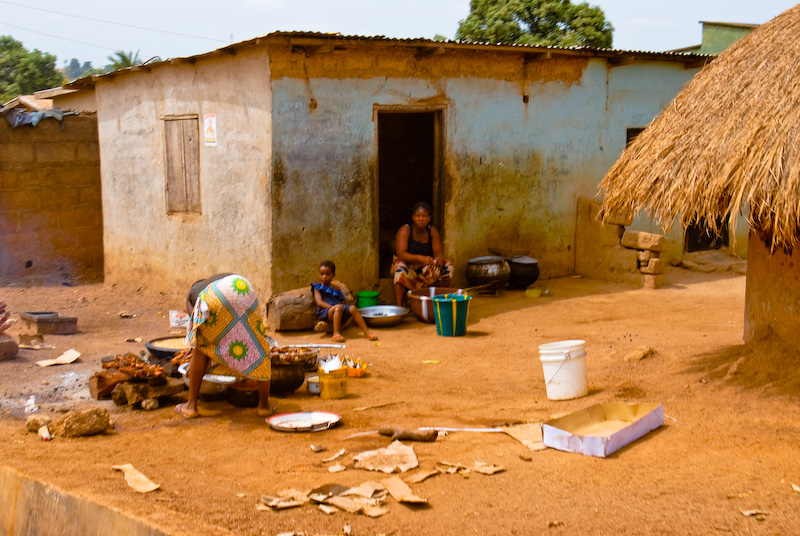
Energy plus internet plus cold storage plus finance often work better together than alone — the “smart village” approach makes economic sense. Pilot projects must plan for long-term operations and local technicians.
Invest in human capital.
Digital skills, agro-extension, and healthcare training make technology usable and culturally appropriate. Youth who can combine farming with digital services are likelier to stay or return.
Protect commons and culture.
Programs should pair tech with cultural preservation: document local languages, support heritage tourism, and open market access for traditional crafts.
Address security and tenure.
Technology is ineffective if people fear for their lives or their land. Restoring safety and clarifying land rights are political priorities that enable any technological gains to take root.
A Hopeful Lesson: Resilience Is Local
Across Nigeria, small-scale, community-led projects offer a template. Where villages control the rules of new infrastructure, where women and youth have a stake, and where technology solves a clearly defined local problem, digital and green tools can do more than improve convenience — they can create viable alternatives to migrating.
But scaling that success requires patient financing, better rural connectivity, accountable governance, and above all, respect for the cultures that make each village worth saving. If the last villages are to remain living places — not museum pieces or memory — Nigeria will need both modern gear and a renewed commitment to the social glue that binds rural life: schools, clinics, markets, land rights, and security. Technology can be the spark; communities and policy must supply the fuel.

