


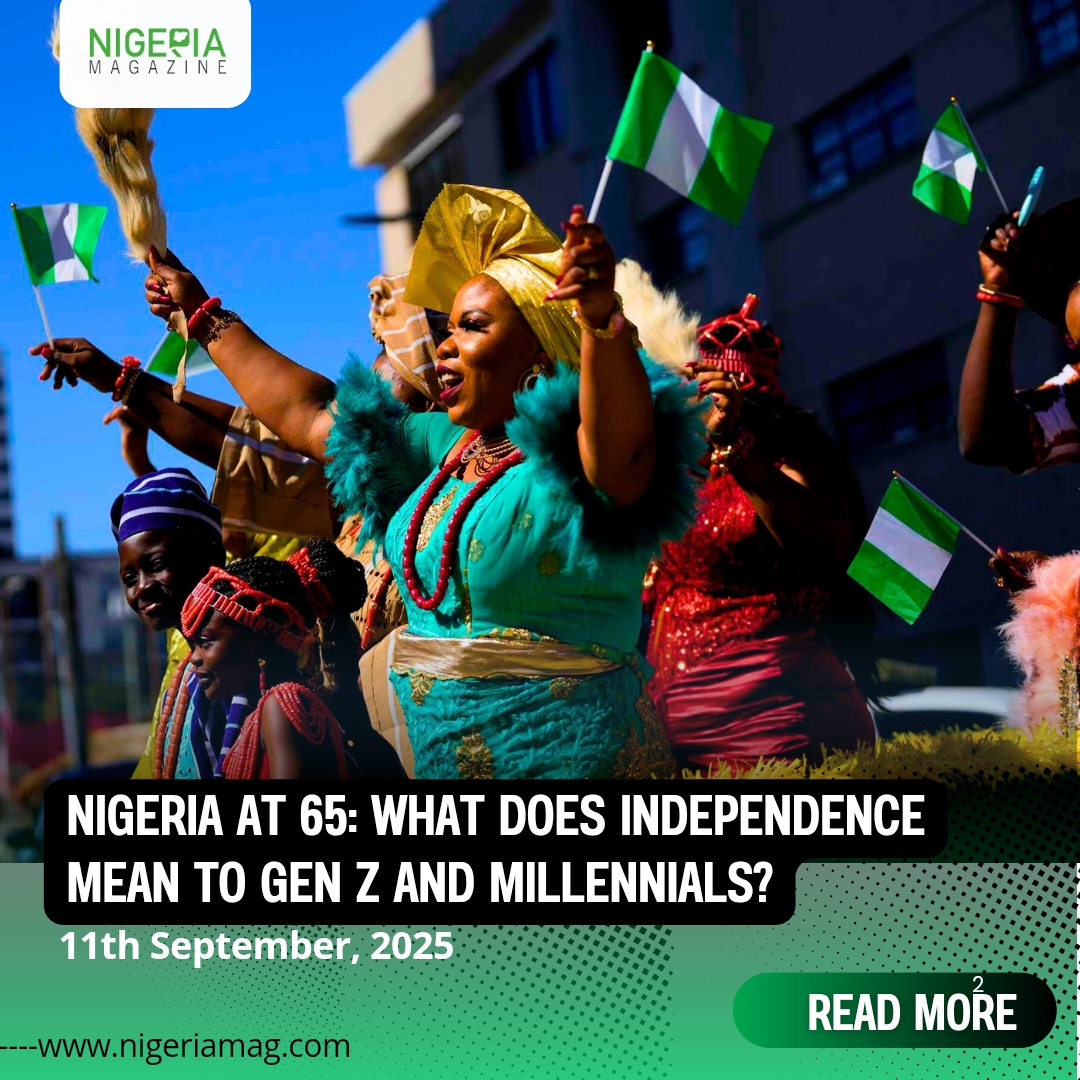
On October 1, 1960, Nigeria raised its green and white flag to signal independence from British colonial rule. Sixty-five years later, the echoes of that day still resound, but the meaning of independence has evolved, especially for Nigeria’s largest demographic groups: Gen Z and Millennials. For many in these generations, independence is less about the symbolic transition from colonial rule and more about the realities of economic freedom, political accountability, digital expression, and identity in a rapidly changing world.
Redefining Independence Beyond 1960
For Gen Z and Millennials, independence is not defined merely by the departure of the British. Born decades after 1960, they never experienced colonial rule directly. Instead, their perspective is shaped by contemporary challenges: unemployment, inflation, political instability, insecurity, and the constant push for opportunities both at home and abroad.
For them, true independence is about freedom from corruption, economic dependency, poor governance, and the social structures that limit innovation and mobility. In this sense, independence is not just a historical achievement; it is an ongoing struggle.
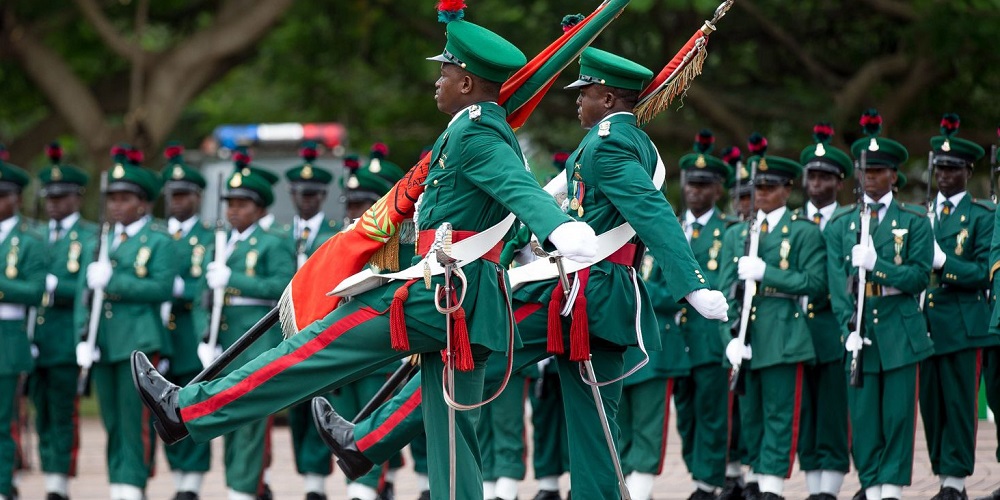
Economic Independence: The Real Battleground
Nigeria’s youth make up over 60% of the population, yet unemployment and underemployment disproportionately affect them. For Millennials who entered the workforce during the oil boom years, promises of prosperity often fell short due to recurring economic crises. For Gen Z, who are entering adulthood in the digital age, independence means the ability to monetise creativity, pursue remote work, and engage in global tech-driven opportunities.
This generation seeks freedom from the economic hardships that have defined their parents’ and grandparents’ lives. Their independence is about breaking free from the “Japa” syndrome—emigrating in search of better opportunities—by demanding a Nigeria where one can thrive without leaving.
Political Consciousness: From Silence to Hashtags
For Millennials, movements like Occupy Nigeria in 2012 marked a political awakening. For Gen Z, the #EndSARS protests of 2020 became the defining moment of their civic consciousness. Independence to these groups means having the freedom to speak up, organize, and hold leaders accountable.
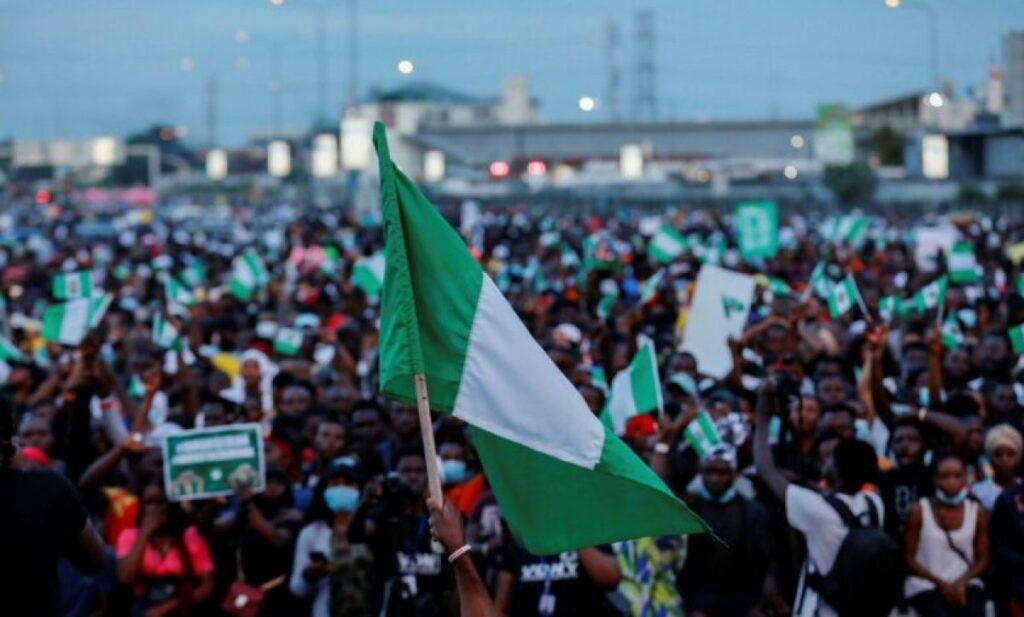
However, political independence is complicated. Many young people feel disillusioned by electoral processes they view as rigged or manipulated. Yet, they are increasingly leveraging digital platforms to redefine activism, mobilise voters, and amplify their voices in ways unimaginable to earlier generations.
Digital Independence: Owning Narratives
If colonial rule was about silencing indigenous voices, today’s battle is about owning the digital space. Nigeria’s Millennials and Gen Z are among the most active internet users in Africa. From Nollywood and Afrobeats to tech startups and social media influencers, they are shaping global narratives.
For them, independence means the ability to tell their own stories, free from Western misrepresentations. It also means access to digital tools that foster innovation, creativity, and cross-border collaboration. The rise of fintech, e-commerce, and digital art through NFTs has redefined what independence looks like for Nigeria’s youth: self-sufficiency in a borderless digital economy.
Cultural Identity: A Blend of Global and Local
Independence for today’s young Nigerians also means navigating identity. Millennials and Gen Z are global citizens who binge-watch Netflix, use TikTok slang, and participate in global memes. Yet, they are also fiercely proud of their culture, evident in the global rise of Afrobeats, pidgin English, and Nigerian fashion.
This balancing act—being proudly Nigerian while embracing global modernity—is itself a form of independence. It allows them to reject stereotypes of poverty and instability while showcasing Nigeria’s dynamism and resilience on a global stage.
The Challenges That Remain
Despite these advances, the promise of independence remains incomplete. Corruption, insecurity, poverty, and inequality continue to shape the lives of young Nigerians. Many argue that at 65, Nigeria has yet to deliver on the hopes of its founding fathers. Gen Z and Millennials face the paradox of being more empowered, more connected, and more vocal than previous generations, yet still feeling trapped by systemic dysfunction.
Looking Ahead: What Independence Could Mean
As Nigeria turns 65, the question is less about what independence meant in 1960 and more about what it should mean going forward. For Gen Z and Millennials, independence is about:
Economic empowerment: A Nigeria where hard work, creativity, and innovation can guarantee prosperity.
Political accountability: Leaders who are held responsible for promises, and institutions that are transparent.
Freedom of expression: The right to speak, protest, and engage without fear of censorship or violence.
Digital and global relevance: A country that equips its youth to compete globally while remaining deeply rooted in its culture.
At 65, Nigeria stands at a crossroads. For Gen Z and Millennials, independence is no longer about flags, anthems, or the memory of colonial rule. It is about the lived experience of dignity, opportunity, and self-determination. The challenge is ensuring that the symbolic independence of 1960 translates into tangible realities in 2025 and beyond.
If Nigeria can harness the energy, creativity, and resilience of its youth, independence will mean more than freedom from colonial masters; it will mean freedom to build a just, prosperous, and inclusive society. For now, the younger generations remain both hopeful and restless—pushing for a Nigeria that matches their aspirations.

