


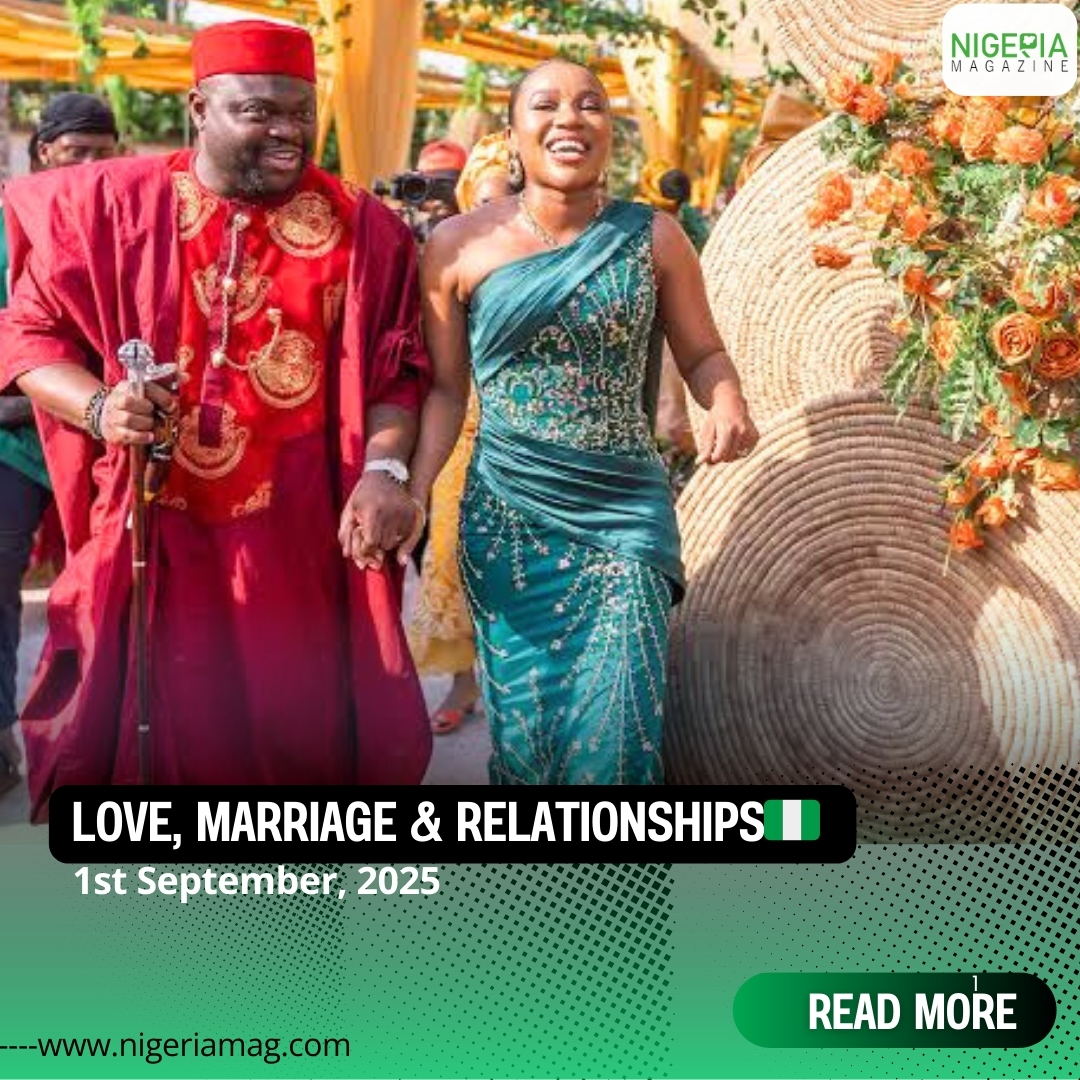
A Special Report on How Nigerians Are Rewriting the Terms of Marriage
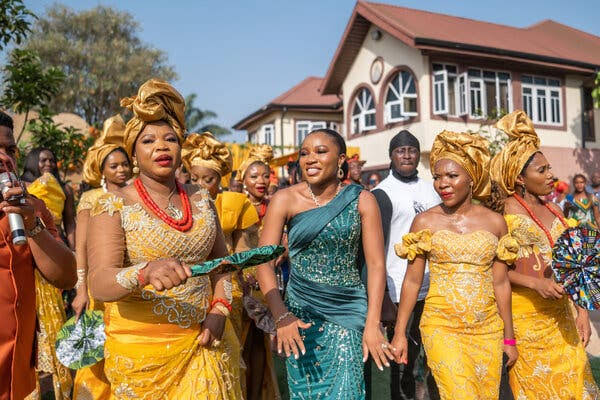
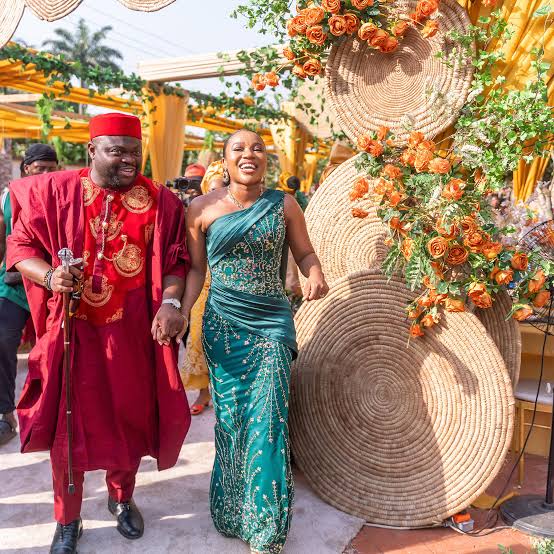
Marriage in Nigeria is not what it used to be. For generations, it was seen as the ultimate badge of adulthood, woven tightly around family honour, culture, and endurance. But across the country today, the story is shifting. Divorce, separation, and single parenthood are more visible than ever. People are marrying later, sometimes not at all. For many, love has become less about duty and appearances, and more about partnership, peace, and personal growth.
Two Nigerians, Two Journeys
At 52, Mr. Bassey, a widower from Uyo, thought he understood what it meant to be married. After losing his first wife, he remarried, only for the second marriage to end in divorce. His reflections capture a reality many men now face.
“Beauty and sex don’t hold a marriage together anymore,what men want now is peace of mind. We want partners who can inspire us, grow with us, and help build stability. Without that, the marriage becomes another battle.”
For Chioma, 38, a banker and single mother of one living in Abuja, the journey has been different but no less telling. She stayed in a troubled marriage longer than she wanted, wrestling with both societal pressure and personal grief.
“It’s not blindness, It’s grieving the death of the future you once believed in. You mourn what could have been. By the time a woman leaves, she’s already left inside. She doesn’t just walk away from the man, but from the version of herself that tolerated less than she deserves.”
The Numbers Tell Their Own Story
In 2023, Nigeria’s divorce rate reached 2.9%, or about 1.8 divorces per 1,000 people, placing the country among the top 30 globally in divorce growth.
Most divorces occur between the ages of 30 and 39, with women initiating 62% of cases.
Common triggers include financial strain, infidelity, domestic violence, and incompatibility.
According to a research by Punch: The impact on children is significant: in Keffi, 67% of children from divorced homes reported anxiety or depression, and teachers observed aggression and falling self-esteem.
Marriage experts warn that while Nigeria’s divorce rate is lower than that of Western countries, the social shock is sharper here because of the heavy cultural and religious emphasis on “till death do us part.”
The Pastor’s View
At the Church of Christ in Lugbe, Abuja, Min. Rupert Kukwa the resident Pastor has officiated marriages for over two decades. He admits the challenges facing families today are unlike what he saw in the past.
“Couples come to the altar smiling, but they don’t always come prepared,” he says. “Many don’t count the cost of patience, sacrifice, and forgiveness. But I also tell men peace at home is priceless. And I tell women endurance is not the same as suffering. We need balance.”
He notes that younger people are questioning traditional roles and expectations more openly, something older generations often struggle to accept.
The Counsellor’s Lens
Mrs. Kemi Adeyemi a counsellor says she has seen a surge in couples seeking premarital and marital counseling.
“There’s a shift happening, our parents endured silently. Today’s generation is more willing to speak up, or to leave if it doesn’t work. That’s not failure, it’s a recognition that peace is part of survival. I tell my clients: partnership is the new foundation. Without it, everything else crumbles.”
Adeyemi adds that financial planning, honest communication, and emotional intelligence are the three biggest predictors of marital success. “If those are missing, no amount of attraction or ceremony can save a union.”
A Younger Voice
Tunde, a 29-year-old tech entrepreneur in Lagos, says he has chosen to delay marriage.
“I see my friends rushing in and rushing out,” he says with a laugh. “For me, I want stability first, my own house, a steady income, and clarity about what I want in a partner. I don’t want to marry because society says so, only to divorce in five years. For me, partnership means building a vision together.”
His perspective is increasingly common. Data shows that the average age of first marriage in Nigeria has crept up, especially in urban centers where education and careers often come first.
The Bigger Picture
The changes in Nigeria’s marriage landscape can no longer be ignored. Rising divorce rates, growing numbers of single mothers and fathers, delayed marriages, and evolving gender roles all point to a society in transition.
For men, the days of choosing beauty over brains are fading. They want peace, direction, and partnership.
For women, endurance without growth no longer appeals. They want dignity, security, and emotional health.
For children, the cracks of broken homes often leave lasting scars, demanding better support systems.
Love, Reimagined
Marriage in Nigeria is not dying, it is evolving. The old scripts of duty and appearances are giving way to new scripts of partnership and growth.
Love is no longer just about two people coming together, but about two visions aligning.
Whether this evolution strengthens or weakens the institution remains to be seen. But one thing is certain: love in Nigeria will never again be defined as it once was.
Ubong Usoro for Nigeria Magazine.

