


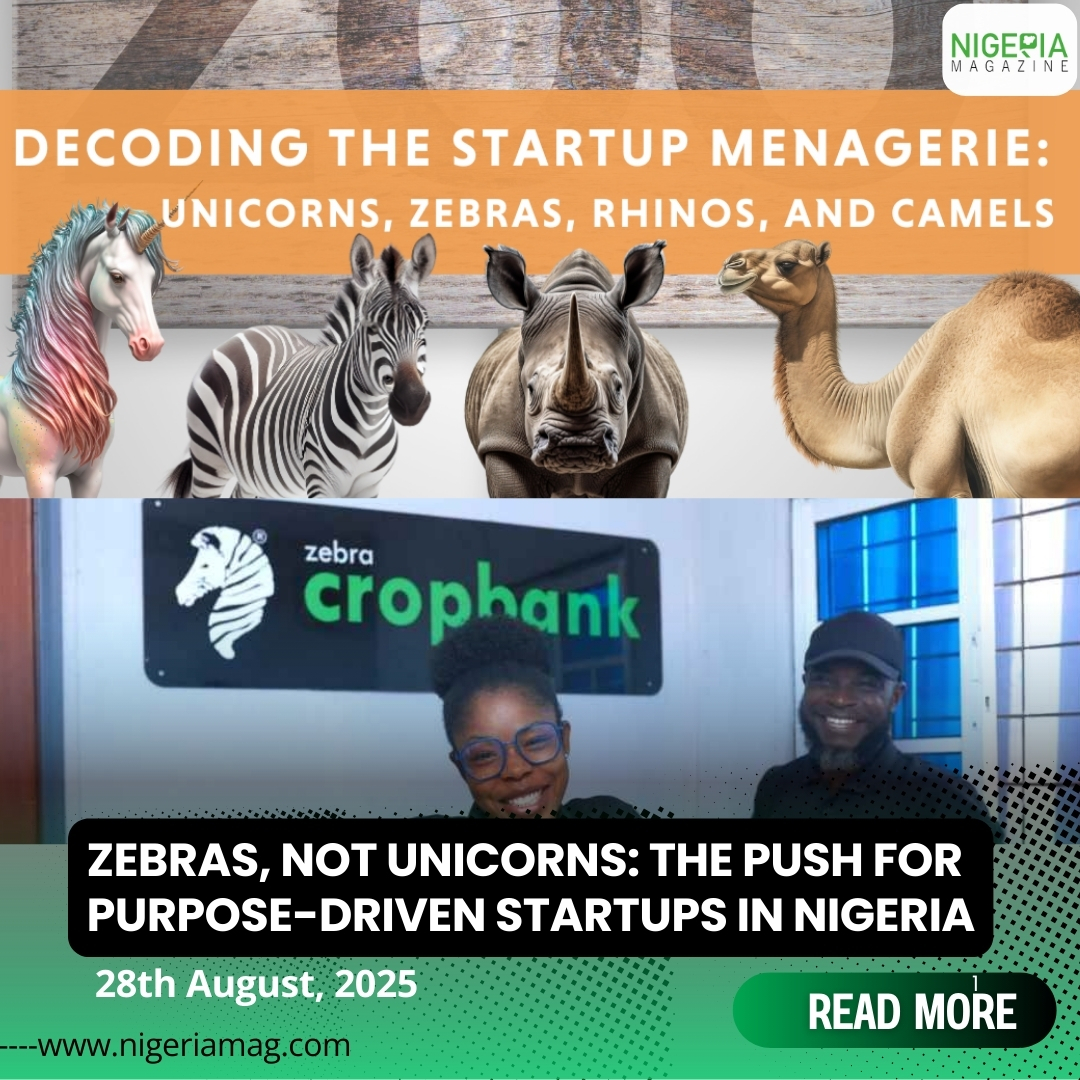
Nigeria’s tech ecosystem is undergoing a cultural shift. Gone are the days when sky-high valuations and ‘unicorn’ status were the sole markers of startup success. Instead, a growing number of Nigerian entrepreneurs are embracing the “zebra” model—prioritising sustainability, social impact, and long-term resilience over rapid scale and speculative valuations.
A Startup Ecosystem in Flux
In the first half of 2025, Nigerian startups raised over $100 million in venture funding—an admirable feat amid global capital tightness and macroeconomic volatility. However, Q2 brought a stark slowdown, with only $26 million in equity funding—down 18.75 % from Q1 and a dramatic 81 % drop from Q4 2024.
Despite these fluctuations, the ecosystem is earning accolades: several Nigerian ventures were finalists at the Africa Tech Summit Awards early in 2025, including Flutterwave, OmniRetail, and Sabi. Additionally, six impact-oriented startups earned spots in the 2025 Google for Startups Accelerator: Africa, signaling growing global confidence in Nigeria’s mission-driven innovators.
Beyond Unicorns: Growing a Zebra Ecosystem
The “zebra” ethos redefines entrepreneurial success—not by billion-dollar valuations but by purpose, inclusivity, and sustainability. As one commentator explains:
“Zebras focus on sustainability, profitability, and social impact… success in entrepreneurship can be measured in more than just monetary terms.”
This mindset is increasingly resonating in Nigeria, where startups are tackling critical challenges from climate action to language access.

Spotlight on Purpose-Driven Zebras in Nigeria
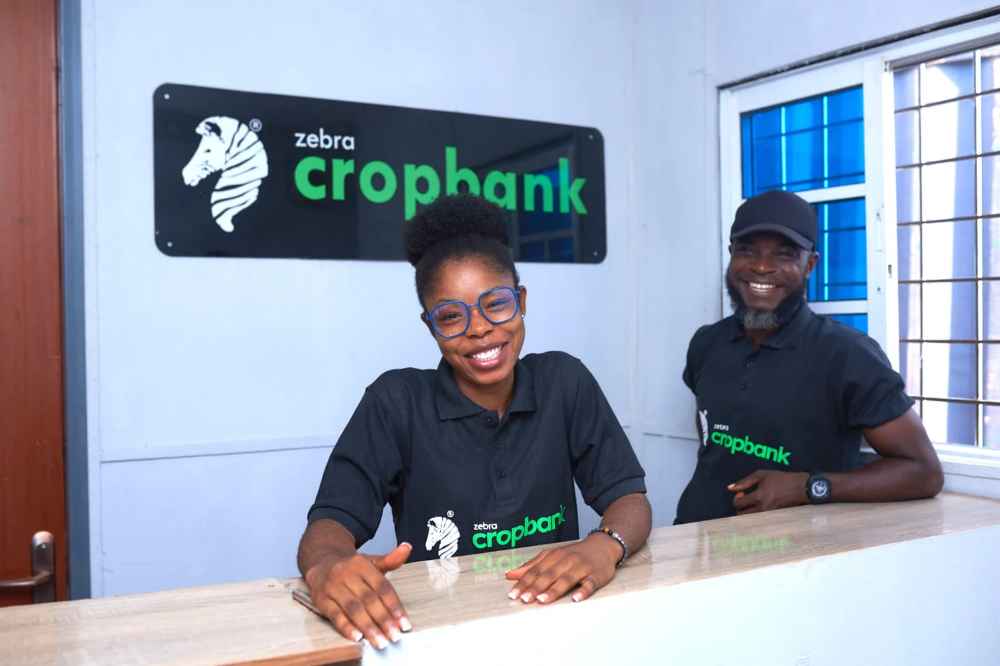
Zebra CropBank is a literal embodiment of the zebra ethos—creating solar-powered micro-warehouses for smallholder farmers, offering storage, insurance, and a USSD tracking platform for transparent commodity trading.
Arnergy, featured among African startups quietly transforming markets, delivers pay-as-you-go solar energy solutions to small businesses. By making clean and reliable power accessible, it directly addresses Nigeria’s persistent energy challenges and fosters sustainable economic activity.
Dataphyte, a data-journalism and civic tech platform, provides researchers, journalists, and civil-society groups with machine-readable data and visual tools covering policy, security, climate, and more. Its Goloka platform, supported by a USAID project, collects localised data on green mineral mining—informing policy and advocacy across several African countries.
CDIAL (Centre for Digitization of Indigenous African Languages) offers AI-powered language tools—like the Indigenius keyboard and dictionary spanning 180 African languages—enhancing digital access regardless of language, tech fluency, or economic status. Recognised with awards from the Nigerian government and Google’s accelerator, CDIAL exemplifies inclusive innovation.
Climate Action Africa, launched in 2021, is combatting climate challenges via CMA Labs—an innovation initiative that cultivates climate-tech startups and informs evidence-based policy in partnership with governments and research institutions.
Driving the Transition: Why Zebras Matter Now
- Market Instability Spurs Sustainability
Nigeria’s economic volatility hitting startups has led to layoffs, shutdowns, and cautious investor behavior. From January 2023 to mid-2025, 33 African startups—five of which were Nigerian—closed shop, laying off hundreds due to operational pressures. In such uncertain terrain, zebra startups—leaner, mission-oriented, and resilient—stand a better chance of weathering storms.
- Investor Sentiment Is Shifting
Global VCs are increasingly singling out Nigeria’s impact-focused founders. Google’s AI-driven accelerator cohort prioritises socially meaningful innovation. Local narratives, too, favour solving real-world problems: startups are encouraged to build realistic business models rather than chase inflated valuations.
- Youthful Population Demands Real Solutions
With over 236 million people, a median age of 18, and growing digital connectivity, Nigeria is a fertile ground for mission-driven startups that address infrastructure gaps, education, energy, and inclusion.
What It All Means
The emergence of zebras in Nigeria signals a maturing tech ecosystem—one balancing profitability with purpose, scale with sustainability. While unicorns still make headlines, it’s the zebras building enduring, socially relevant businesses who are laying the groundwork for a more resilient future.
Final Thoughts
Nigeria’s startup ecosystem is evolving—less swayed by unicorn fever and more grounded in societal impact. From climate action and energy access to language equity and civic transparency, the rise of purpose-driven zebras shows a deepening commitment to building value that transcends valuation.
As global and local support grows for such models, 2025 may well mark a turning point—where the next wave of Nigerian startups are defined not by mythical valuations, but by meaningful, measurable change.

