


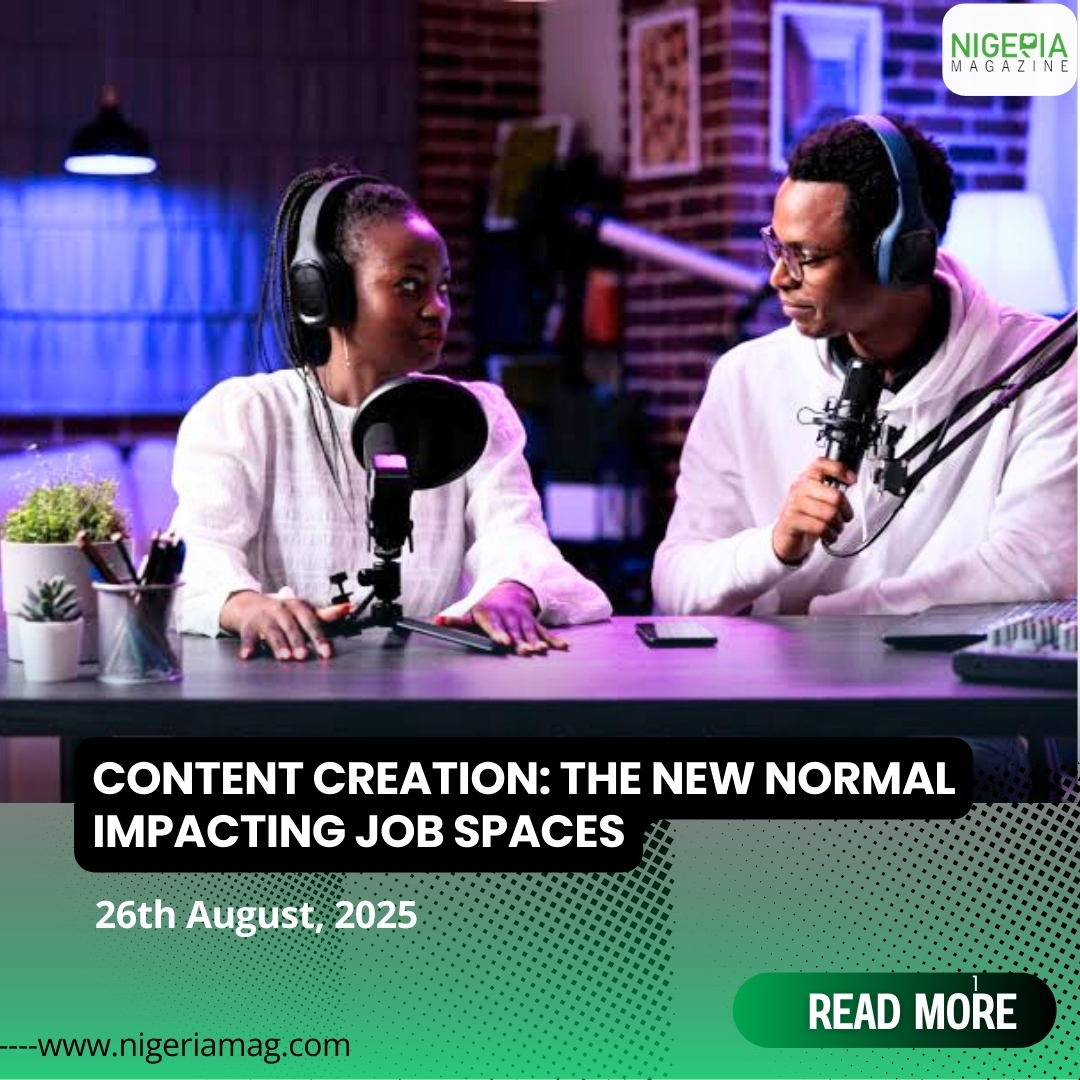
As the world steadily advances into the digital economy, content creation is no longer just a trend; it is fast becoming a new form of social capital. In Nigeria, many young people are already tapping into its endless opportunities, while others admit they are yet to fully understand its potential or how far it can go in shaping the future of work.
From Consumption to Creation
The shift is clear. A decade ago, most young people were simply consumers of online content, scrolling through YouTube videos, sharing memes, or keeping up with global trends on social media. Today, that narrative has changed. From YouTube channels to TikTok skits, podcasts to blogs, young Nigerians are no longer just spectators. They are creators, business owners, and digital entrepreneurs carving out careers from their creativity.
This change has also redefined how society views media. What used to be dismissed as “time-wasting” or “playing online” is now considered serious work that pays the bills, opens doors, and builds influence. For many, what started as a hobby, sharing short videos, writing personal blogs, or recording voice notes, has grown into fully established brands with loyal audiences and income streams.
Beyond Entertainment
Content creation is not limited to entertainment. While music, comedy, and lifestyle dominate platforms like TikTok and Instagram, the scope has widened. Today, creators are producing content that educates, inspires, and informs. Teachers are reaching students through online tutorials, environmentalists are raising awareness through vlogs and podcasts, while entrepreneurs are using Instagram and X (formerly Twitter) to market their products and services.
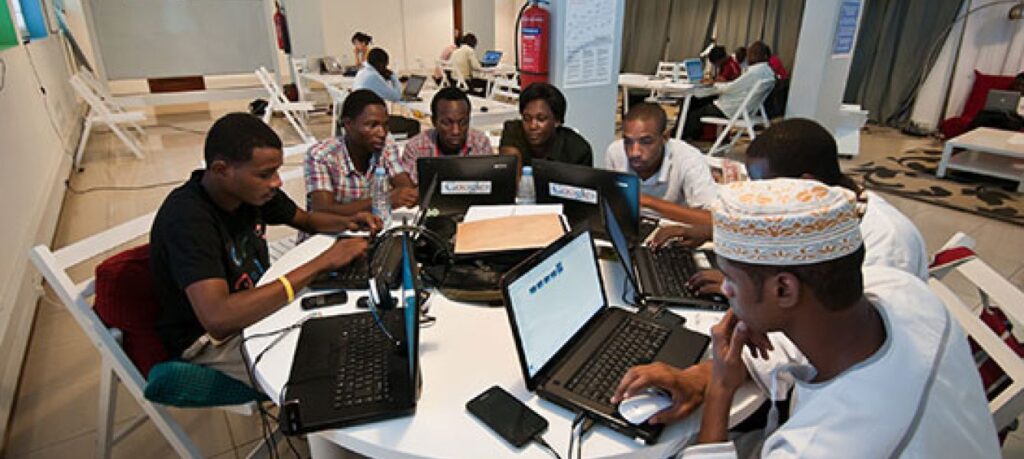
This evolution means that content is not just about fun—it has become a tool for empowerment, visibility, and economic participation. In many cases, it is also breaking barriers, giving voices to those who were previously unheard.
Content Is the New Social Capital
Victor Okon, a media specialist, explains it this way: “Content is helping youths create jobs for themselves, even in spaces where traditional employment is shrinking. It is no longer just about likes and views; content is the new social capital.”
His point reflects the reality many young Nigerians face today. With unemployment and underemployment still high, content creation has emerged as a lifeline, an alternative path where young people can showcase their skills, attract opportunities, and even work with international brands without leaving their homes.
Impact Across Industries
The influence of content goes beyond personal gain. In marketing and advertising, businesses now depend heavily on digital creators to push their products. In education, video tutorials and explainer content are reaching millions of learners at little or no cost. In politics, content creators are shaping public opinion, driving advocacy, and mobilising communities in ways traditional media once controlled.
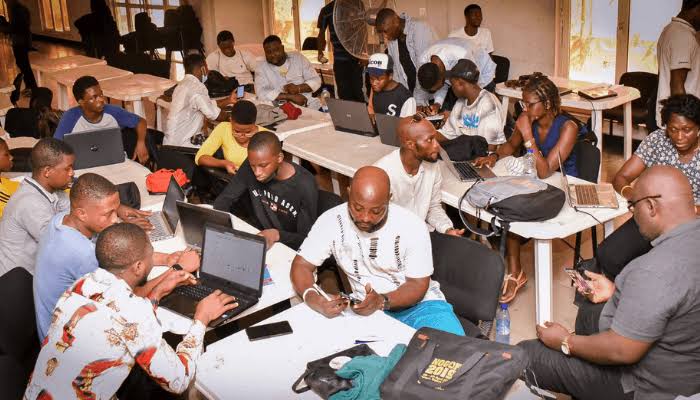
Even the entertainment industry itself has changed. Nollywood actors, comedians, and musicians now use social media as their primary stage before making it to mainstream platforms. This has blurred the lines between professional entertainers and everyday creators, proving that anyone with creativity and consistency can command an audience.
The New Skillset
As the landscape shifts, adaptability, creativity, and digital literacy are no longer optional, they are survival skills. Those who thrive are the ones who can combine storytelling, technology, and originality to stand out in a crowded space. For Nigerian youths especially, mastering these skills has become vital in navigating today’s economy, where traditional jobs are shrinking but digital opportunities keep expanding.
More Than a Pastime
For many, content creation started as a pastime, but it is quickly becoming a career path with limitless opportunities. What sets it apart is its accessibility, anyone with a smartphone and internet connection can start. Yet, success requires more than just being online. It demands consistency, authenticity, and a willingness to evolve with changing trends and audience preferences.
The rise of content creation in Nigeria is a reminder that work is no longer confined to office spaces or government jobs. The digital economy has opened new frontiers where creativity, voice, and visibility are currency. And for the youths who embrace it, content creation is not just a new normal, it is the future of work itself.
Ubong Usoro for Nigeria Magazine

