


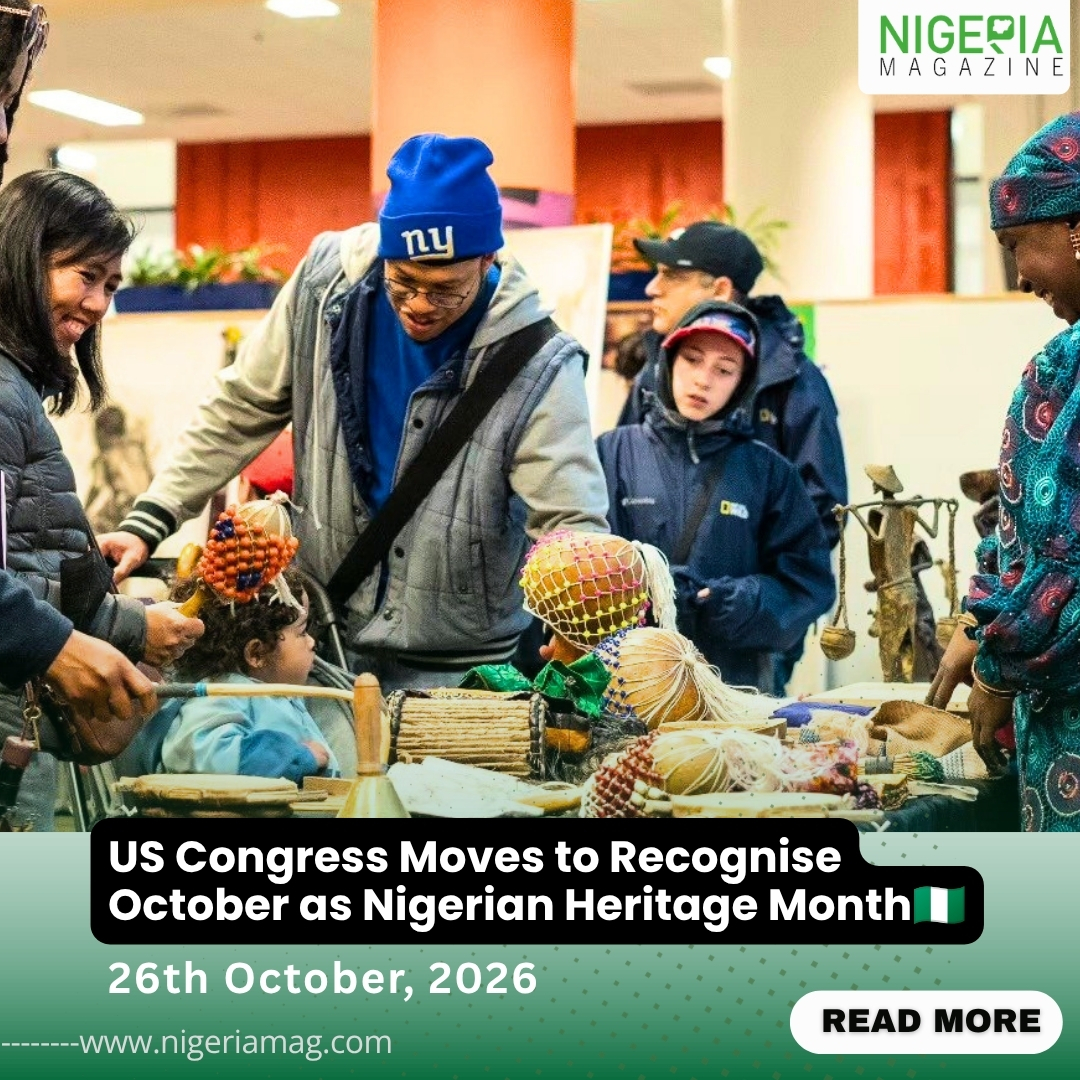
US Congress Moves to Recognise October as Nigerian Heritage Month🇳🇬
By Moses Chibuike Ezechukwu
The proposed recognition marks a significant moment for Nigerians in the United States, placing their culture, achievements and growing civic influence at the centre of a wider American conversation while strengthening the enduring relationship between Nigeria and its diaspora.
For millions of Nigerians, October is already a month filled with meaning. It is the month Nigeria celebrates its independence, a period when Nigerians at home and abroad reflect on the country’s history, struggles, achievements and future. But in 2026, October has taken on another important dimension for Nigerians living in the United States.
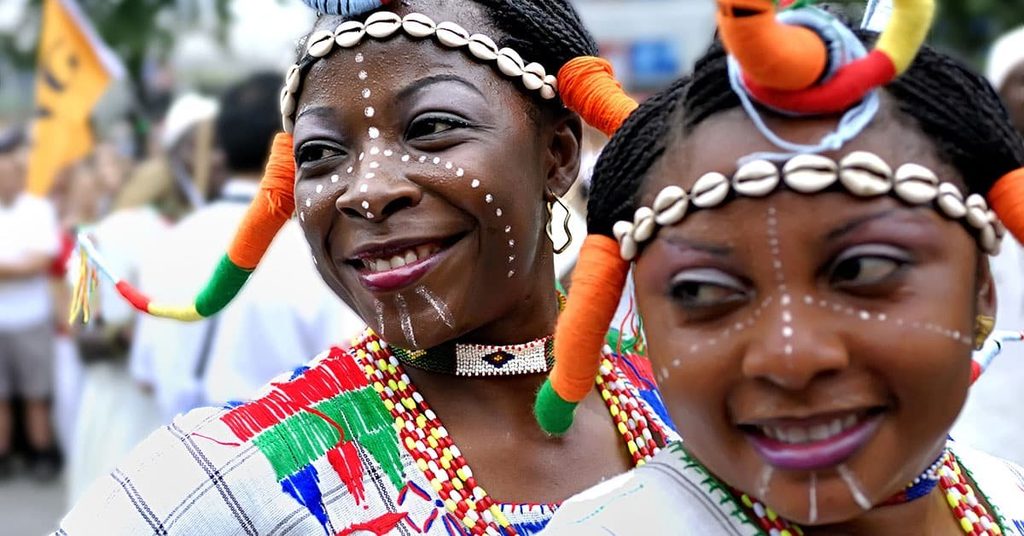
The U.S. Congress is considering a resolution that would recognise October as Nigerian Heritage Month, a move that could give formal national recognition to the history, culture and contributions of Nigerians and Nigerian Americans across the United States.
House Resolution 1546 was introduced in September by U.S. Representative Sanford D. Bishop Jr. of Georgia. The resolution expresses support for recognising Nigerian heritage and celebrates the contributions Nigerians and Nigerian Americans have made to American society. It was referred to the House Committee on Oversight and Government Reform and, as of October 2026, remains under consideration rather than being a completed nationwide designation. (Nigerian Center)
That distinction is important. The development is a proposed congressional recognition, not yet a final federal designation.
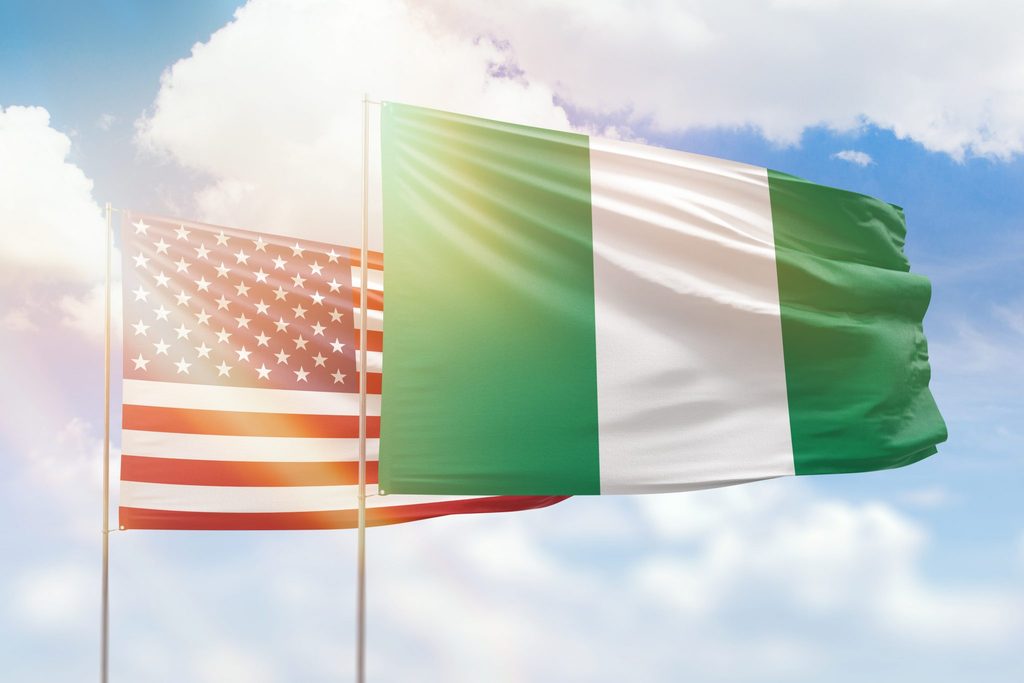
Nevertheless, its significance has already been felt strongly within Nigerian-American communities.
A Recognition of More Than Culture
At first glance, a heritage month might appear to be mainly about food, clothing, music, festivals and traditional celebrations. But the proposed Nigerian Heritage Month goes considerably deeper.
The resolution highlights the contributions of Nigerians and Nigerian Americans in areas including healthcare, education, technology, entrepreneurship, public service, law, engineering, sports and the arts. It also points to the broader relationship between the Nigerian diaspora and the United States.
For a community that has established itself across American cities and states, this is an opportunity to tell a fuller story.
Nigerians in America are doctors and nurses, engineers and software developers, university professors, business owners, lawyers, artists, athletes, researchers, public officials and community organisers. Many have built successful careers while simultaneously maintaining strong connections with Nigeria.
Representative Bishop, who introduced the resolution, described Nigerian Americans as highly accomplished members of American society and pointed to their contributions across numerous professions. (Nigerian Center)
That message matters because diaspora communities are sometimes discussed mainly through the lens of migration. Nigerian Heritage Month presents an opportunity to shift that conversation towards achievement, participation and belonging.
The Nigerian Center’s Role
Behind the congressional initiative is the Nigerian Center, a Washington, D.C.-based civic organisation that has advocated for greater recognition and representation of Nigerian and broader African diaspora communities in the United States.
The organisation’s work extends beyond cultural advocacy. It provides services and programmes involving legal support, financial empowerment, community development and policy engagement. Its campaign for Nigerian Heritage Month therefore fits into a larger effort to strengthen the visibility and civic participation of Nigerians in America. (Nigerian Center)
The organisation described the congressional resolution as more than a symbolic acknowledgement of Nigerian heritage. According to the Nigerian Center, it also represents recognition of the impact Nigerian Americans continue to have in communities throughout the United States. (Nigerian Center)
That perspective is perhaps what makes the initiative particularly significant.
Heritage is not simply about looking backwards. It can also be about recognising the people building the present and shaping the future.
October 1 Adds Another Layer
The timing of the proposed recognition is especially striking.
October 1 is Nigeria’s Independence Day. For Nigerians across the world, the date carries a powerful emotional and historical significance.
It is a day associated with national identity and the beginning of Nigeria’s journey as an independent nation in 1960.
Holding conversations about Nigerian heritage throughout October could therefore create a bridge between Nigeria’s national story and the experiences of Nigerians who have established lives abroad.
The Nigerian Center held a Nigerian Heritage Month press conference in Washington, D.C., on October 1, bringing together community leaders, advocates, public officials and other stakeholders to discuss the proposed recognition. (Nigerian Center)
The symbolism is difficult to miss: while Nigerians in Nigeria were marking another independence anniversary, Nigerians in America were also highlighting their place within the society they now call home.
Washington, D.C. Has Already Taken a Step
Even as the federal resolution remains under consideration, Washington, D.C. has already made its own move.
The District proclaimed October 2026 as Nigerian American Heritage Month, recognising the history, culture and contributions of Nigerian Americans in Washington and beyond.
The proclamation highlighted Nigerian American contributions to fields including medicine, science, technology, entrepreneurship, music, the arts and civic life. It also acknowledged the Nigerian Center’s role in supporting the Nigerian community in the District. (Pulse Nigeria)
This local recognition gives the broader congressional effort added momentum.
It also demonstrates how heritage recognition can become more than a ceremonial statement. It can create opportunities for cultural events, educational programmes, community discussions and greater public awareness of the contributions of Nigerians.
A Growing Diaspora Influence
Nigeria has one of the world’s most influential African diasporas, and Nigerians abroad have increasingly become important players in business, education, technology, healthcare, politics and international relations.
The United States is one of the most important destinations for Nigerian migrants and students. Over the years, Nigerian communities have established churches, professional associations, cultural organisations, businesses and advocacy groups across the country.
Their influence is also visible in American public life.
The proposed congressional resolution includes support from lawmakers representing communities with significant Nigerian and African immigrant populations. The Nigerian Center says the resolution was introduced with a group of congressional cosponsors from across the United States. (Nigerian Center)
That support suggests that Nigerian heritage is increasingly being viewed not simply as an immigrant identity but as part of America’s multicultural story.
More Than a Celebration
If the resolution eventually receives broader congressional approval, Nigerian Heritage Month could become an annual platform for celebrating achievements while also encouraging deeper conversations about the Nigerian-American experience.
It could give schools an opportunity to teach students about Nigerian history and culture. It could encourage museums and cultural institutions to highlight Nigerian art and heritage. Businesses could showcase Nigerian entrepreneurship, while community organisations could use the month to promote mentorship, education and civic engagement.
For young Nigerian Americans in particular, the recognition could carry a powerful message: they do not have to choose between being Nigerian and being American.
They can be both.
And that may ultimately be the most important story behind the proposed heritage month.
A Moment for Nigeria and Its Diaspora
The proposed recognition arrives at a time when the Nigerian diaspora is becoming increasingly important to Nigeria’s international image.
From technology and finance to entertainment, medicine and academia, Nigerians abroad continue to influence how the country is perceived around the world. Their achievements can open doors for stronger relationships between Nigeria and other nations.
Nigerian Heritage Month could therefore serve as a cultural bridge — connecting Nigerians in America with their roots while introducing more Americans to Nigeria’s history, creativity and diversity.
The resolution is still a proposal, and its journey through Congress is not over. But the conversation it has started is already significant.
For a country whose people are spread across virtually every continent, recognition of Nigerian heritage abroad is a reminder that Nigeria’s story does not stop at its borders.
It travels with its people.
And this October, in Washington and communities across America, that story is being given an even louder voice.
#NigeriaMagazine #NigerianHeritageMonth #Nigeria #NigeriansInAmerica #NigerianDiaspora #NigerianAmericans #USCongress #NigeriaUSA #NigerianCulture #October #NigerianHeritage #DiasporaDiplomacy #AfricanDiaspora #NigeriaAt66 #MosesChibuikeEzechukwu

