


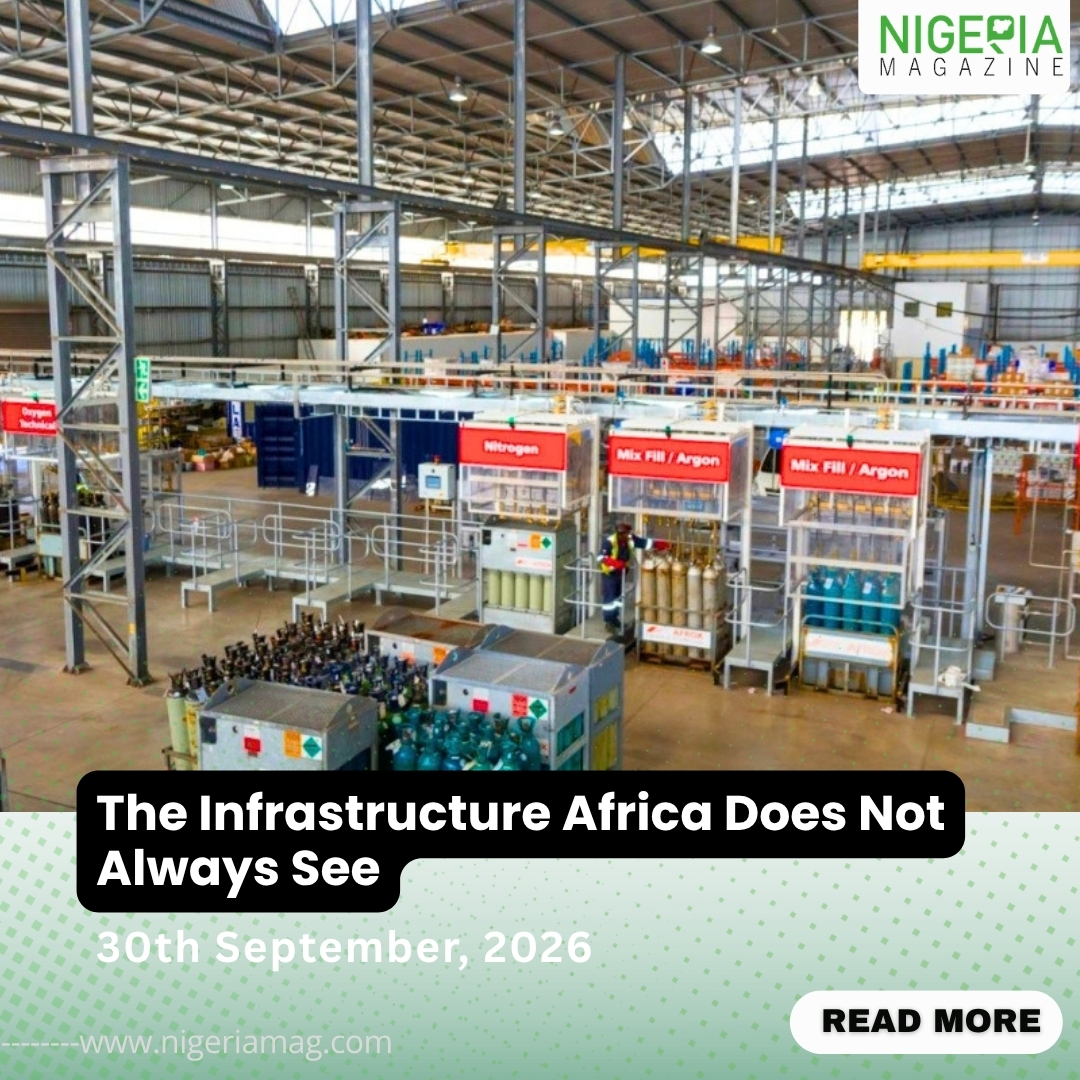
When people talk about infrastructure and development in Africa, the conversation often centres on roads, bridges, railways, power plants and other highly visible projects. But some of the systems that keep African economies running are far less visible.
From hospital oxygen systems and food production lines to welding facilities, mines, manufacturing plants and supply chains, these behind-the-scenes systems play an important role in supporting everyday economic activity.
Industrialisation is not only about building large facilities. It also depends on the availability of reliable inputs, technical expertise and systems that allow industries to operate safely and efficiently.
For hospitals, reliable oxygen systems can be essential to patient care. In manufacturing and food production, dependable equipment and supply chains help keep production moving. Mines and industrial facilities similarly depend on specialised inputs and expertise to operate effectively.
As African countries pursue greater industrialisation, strengthening these less-visible areas of infrastructure could become increasingly important. Resilient supply chains, dependable industrial systems and skilled professionals can help businesses and essential services withstand disruptions while supporting economic growth.
The infrastructure Africa needs, therefore, extends beyond what can easily be seen. Some of the most important foundations of development are working quietly behind the scenes.
Building stronger economies will require attention not only to major infrastructure projects, but also to the systems, expertise and supply networks that keep industries and essential services functioning every day.

