



As the curtains rise on 2026, Nigeria’s film industry — popularly known as Nollywood — stands at a pivotal inflection point. Once defined by high-volume, low-budget output and grassroots distribution, the sector is now evolving into a multifaceted entertainment economy, energized by international partnerships, streaming platform competition, innovative distribution models, and a renewed theatrical ecosystem.
This analysis explores how Nollywood’s global deals, the intensifying streaming wars, and local cinema demand are shaping the future of one of the world’s most prolific film industries.
From Local Powerhouse to Global Player
For decades, Nollywood has been celebrated as Africa’s most vibrant film ecosystem — producing thousands of films annually and engaging millions of viewers on the continent and in the diaspora. But what was once primarily a regional phenomenon is increasingly anchored in global partnerships, cross-border production deals, and strategic distribution arrangements.
Production companies like Inkblot Productions and COTS Productions have secured licensing and distribution deals with global streaming platforms such as Netflix, Circuits.tv, and others, expanding Nigerian films’ availability far beyond African shores. (Wikipedia)
While the role of big international streamers has shifted over the past 18 months — with some scaling back local investment — Nigerian cinema is not retreating. Instead, the industry is diversifying its global footprint in multiple ways:
Curated streaming platforms with worldwide reach, such as Kava, are specifically designed to showcase Nollywood and other African cinema to audiences in nearly 200 countries, aiming to satisfy both domestic and diaspora demand for authentic storytelling. (nollywoodtimes.com)
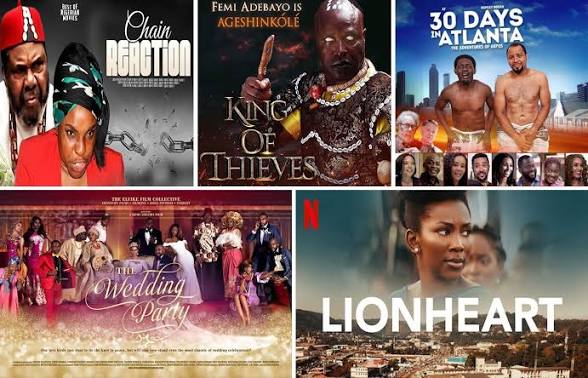
International distribution networks are enabling Nigerian titles to reach European, North American, and Asian markets, often through partnerships with established global studios and festival circuits, effectively elevating Nollywood’s international profile. (nollywoodtimes.com)
These strategic alignments are complemented by forward-looking local brands that see the value in combining cultural specificity with global accessibility — a formula that positions Nollywood films not just as exports, but as lasting global intellectual properties.
The Streaming Wars: A New Battleground
The Nollywood streaming landscape in 2026 is less a “zero-sum war” and more a complex battleground of models, audiences, and monetization strategies. Unlike the early 2020s — when global giants like Netflix and Amazon Prime dominated the narrative around African streaming — today’s conflict is multifaceted:
- Local Platforms Rise
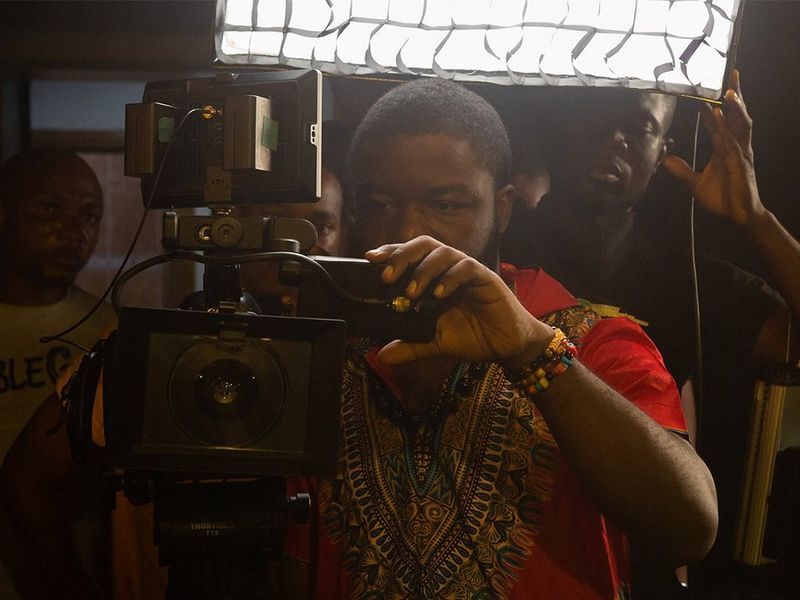
Homegrown streaming services such as Showmax, Kava, and Circuit are all pursuing differentiated models to attract viewers. Circuit’s flexible pricing — including pay-per-view and short-term access packages — is gaining traction among users reluctant to commit to traditional monthly subscriptions.
(nollywoodtimes.com)
Meanwhile, Showmax continues to leverage its deep market penetration and integration with MultiChoice infrastructure to sustain relevance in a saturated local market. (nollywoodtimes.com)
- International Players Shift Focus
In recent years, some global streamers have scaled back direct investment in new Nollywood titles, focusing instead on licensing existing catalogues or withdrawing from local operations. This pulled focus has driven filmmakers to experiment with alternative revenue streams and rethink distribution. (Africa.com)
Yet for premium Nollywood cinema, international licensing — when it can be secured — remains a coveted path to wider recognition and higher upfront revenues.
- YouTube and Hybrid Distribution Models
One of the most disruptive developments has been creators bypassing traditional streaming entirely, opting to release films directly on YouTube. This approach offers rapid audience reach, particularly for lower-budget filmmakers, but it also raises questions about long-term monetization, quality control, and piracy risk. (Africa.com)
In many cases, producers now adopt hybrid distribution strategies: theatrical release, followed by a streaming license window, and then a YouTube release to capture long-tail revenue from ad monetization. (Brand Icon News) This layered approach reflects a pragmatic adaptation to the realities of today’s media economy — balancing global exposure with revenue sustainability.
- Content Wars and Exclusive Rights
Content exclusivity has emerged as a key competitive edge. Local and international platforms alike scramble for Nollywood exclusives, which are now recognized as major audience drivers. Data from 2024 and 2025 suggests that platforms with strong Nollywood lineups — especially exclusive premieres — enjoy disproportionate retention among Nigerian subscribers. (iTelemedia)
Cinemas: Rebirth and Resilience
Contrary to predictions that streaming would cannibalize theatrical audiences, Nigerian cinemas have enjoyed a remarkable resurgence.
Box Office Boom
In 2025, Nigeria’s cinema sector recorded between ₦15.6 to ₦20 billion in regional box office revenue, with projections for even stronger growth in 2026. Nollywood titles now account for nearly half of total box office takings — a testament to the robust demand for local stories on the big screen. (Nairametrics)
Local films such as Behind The Scenes and Everybody Loves Jenifa have led the charts, attracting hundreds of thousands of admissions and generating substantial revenue. (Technext)
Why Theatres Still Matter
Several factors explain why cinemas remain central to Nollywood’s commercial strategy:
Cultural Experience: Nigerians still value the social spectacle of cinema, a trend reflected in surveys showing two-thirds of moviegoers prefer theatres to streaming for new releases. (TechCabal)
Revenue Synergy: Box office success now boosts downstream streaming licensing fees, creating a virtuous cycle where theatrical performance enhances digital valuations. (Biznalytiq)
Infrastructure Growth: The number of cinema screens across Nigeria continues to rise steadily, with projections estimating about 135 theatres nationwide by 2026. (Nairametrics)
Persistent Challenges: Piracy, Infrastructure & Policy Gaps
Despite these gains, Nollywood’s path forward is not without obstacles.
Piracy and Distribution Inequality
Digital piracy remains a persistent drain on revenue, particularly for streaming platforms and filmmakers relying on online distribution. Pirated hubs offering free downloads still attract millions of users and undermine legal monetization channels. (iTelemedia)
Furthermore, distribution inequities — such as geo-blocking on international platforms and limited showtimes for mid-budget films in cinemas — continue to frustrate filmmakers and audiences alike. (Afrocritik – Official Website)
Policy and Structural Support
Industry stakeholders have emphasized the need for clearer data, supportive policy frameworks, and coordinated regulation to unlock Nollywood’s full economic potential. Gaps in copyright enforcement, tax incentives, and creative industry legislation threaten to limit investment inflows and long-term growth. (Businessday NG)
A Dynamic Era for Nollywood
At the dawn of 2026, Nollywood is not merely surviving — it is evolving strategically.
Global deals with international streamers and distributors have raised the profile of Nigerian cinema abroad, while local platforms and hybrid distribution models ensure that filmmakers retain control and revenue flexibility. Cinemas are vibrant, negotiations between streaming and theatrical windows deepen revenue potential, and strategic content exclusives drive competition.
Yet the industry’s sustainability will hinge on strengthening infrastructure, combating piracy, and building policy frameworks that support both creative freedom and commercial discipline.
Nollywood’s future is not defined by streaming versus cinema, nor by local versus global — but by how effectively it harnesses all avenues of storytelling and revenue to tell Nigerian stories to the world. In 2026, that ambition doesn’t just shape the industry; it reshapes global perceptions of African cinema.

