



By Moses Chibuike Ezechukwu
The FIFA World Cup remains the highest stage in international football, where preparation, consistency, and long-term planning separate contenders from spectators. As Nigeria looks ahead to future qualification campaigns, the country has an opportunity to rebuild, reconnect with its football identity, and return stronger than ever.
For millions of Nigerians, football is more than just a game. It is a shared language that unites people across cultures, religions, and regions. On match days, homes, viewing centres, restaurants, and even streets come alive with excitement as supporters proudly wear the green and white, hoping to witness another memorable performance from the Super Eagles.
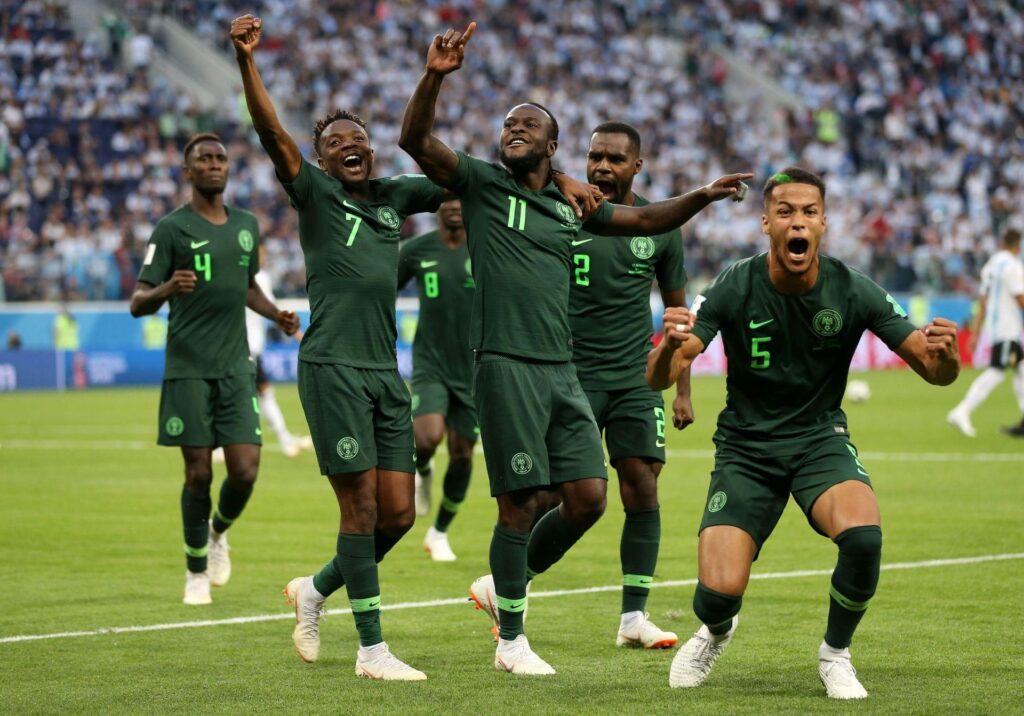
Nigeria has a rich football history that many countries admire. From producing legendary players to earning respect on the global stage, the nation has repeatedly demonstrated that it possesses the talent required to compete with the world’s best. However, recent years have also highlighted a difficult reality: talent alone is no longer enough. The modern game rewards planning, discipline, investment, and consistency.
Looking ahead to the next FIFA World Cup cycle, Nigeria has an opportunity not only to qualify but also to establish itself as a genuine force capable of making a deep run in the tournament. Achieving that goal will require collective effort from football administrators, coaches, players, clubs, supporters, and even government institutions.
One of the most important areas that deserves attention is football administration. Successful football nations are built on strong institutions rather than individual brilliance. Transparent decision-making, long-term planning, and accountability within the country’s football governing structures are essential. Frequent changes in direction or leadership often disrupt progress and make it difficult for coaches and players to work toward a common vision. Stability creates confidence, and confidence produces results.
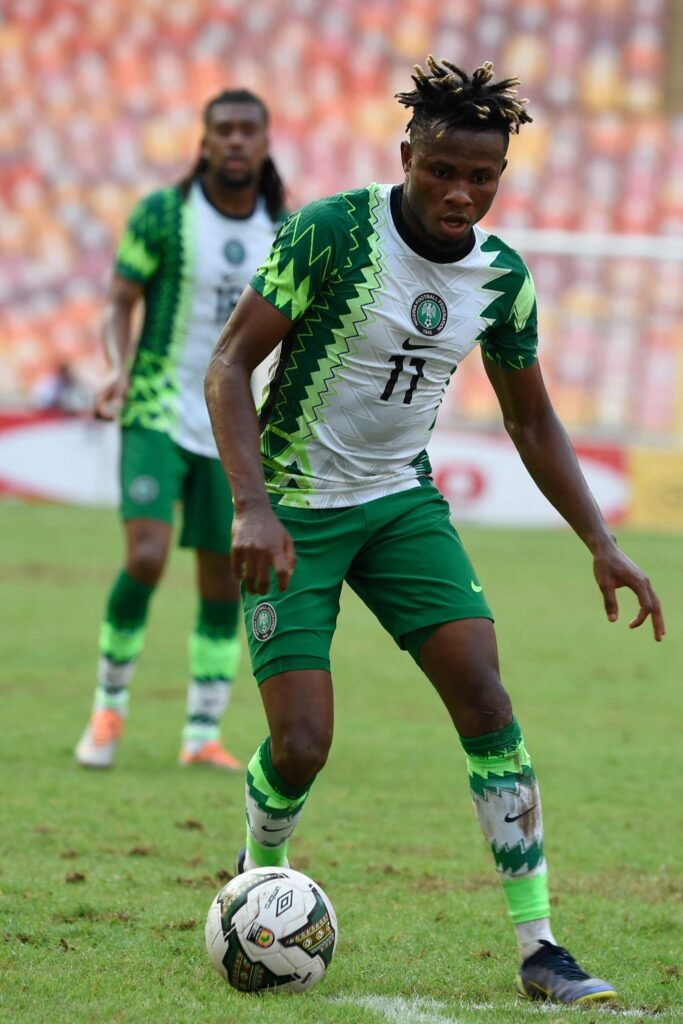
Youth development must also become a national priority. Nigeria has no shortage of gifted young footballers. Across cities, towns, and villages, countless children dream of wearing the famous green jersey.
Unfortunately, many talented youngsters never receive the opportunity to develop in professional environments. Investing in grassroots football, improving school competitions, and supporting football academies can create a stronger pipeline of players prepared for international competition.
Countries that consistently perform well at the World Cup rarely depend on luck. Instead, they build systems that identify and nurture talent from an early age. Nigeria can adopt a similar approach by creating stronger links between local academies, domestic clubs, and the national teams. This would ensure that promising players receive proper coaching, education, nutrition, and competitive experience before stepping onto the international stage.
The domestic football league also deserves renewed attention. A competitive local league benefits the national team by producing players who understand professional standards and high-pressure competition. Improving infrastructure, ensuring prompt payment of salaries, attracting sponsorship, and increasing media coverage can gradually restore confidence in the Nigerian league. Strong domestic competitions often become the foundation upon which successful national teams are built.
Another area where Nigeria can improve is coaching development. Modern football evolves rapidly, with new tactical approaches emerging every season. Coaches should be encouraged to participate in international training programmes, coaching certifications, and knowledge exchange initiatives. Continuous learning helps coaches better understand sports science, performance analysis, psychology, and player management. When coaches improve, players benefit as well.
Preparation for major tournaments should never begin a few months before qualification matches. Instead, it should be a continuous process involving regular international friendlies against quality opponents from different continents. Facing strong teams exposes weaknesses that can be corrected before competitive fixtures. It also helps players develop confidence against elite opposition rather than being overwhelmed during major tournaments.
Player welfare should remain another important consideration. Many Nigerian footballers compete in demanding leagues across Europe, Africa, Asia, and other parts of the world. Managing their workload, preventing injuries, and maintaining good communication between clubs and the national team can improve overall performance. A healthy and motivated squad gives coaches greater tactical flexibility.
Nigeria is also fortunate to have a large number of talented players born abroad with Nigerian heritage. Many have expressed pride in representing their ancestral homeland. Creating an inclusive environment that welcomes these players while maintaining respect for home-grown talent can strengthen the squad significantly. The objective should always be to select players based on commitment, ability, and form rather than reputation alone.
Technology has become an essential part of modern football. Performance tracking, video analysis, fitness monitoring, and data-driven scouting now influence decisions at the highest level. Nigeria should continue investing in these tools to support coaches and technical staff. While technology cannot replace talent, it provides valuable insights that can improve tactical preparation and player development.
Supporters also play a vital role in the journey toward World Cup qualification. Nigerian fans are among the most passionate in the world, and their encouragement often inspires players during difficult moments. However, genuine support also involves patience during rebuilding periods. Constructive criticism is healthy, but creating an atmosphere where players constantly fear failure can become counterproductive. National teams perform best when they feel united with their supporters.
Corporate organisations and private investors can equally contribute to football development. Sponsorship provides financial stability for competitions, academies, youth tournaments, and infrastructure projects. Partnerships between the private sector and football institutions can help reduce financial challenges while creating opportunities for young athletes across the country.
Government support remains important, particularly in the area of sports infrastructure. Quality training facilities, modern stadiums, medical centres, and community sports programmes create an environment where athletes can reach their full potential. Football development should not be viewed solely as entertainment but also as an investment in youth empowerment, national unity, and economic growth.
History shows that Nigeria performs best when preparation matches ambition. The nation’s appearances at previous FIFA World Cups produced unforgettable memories, from impressive victories to moments that united millions of citizens regardless of their differences. Those achievements demonstrate that competing successfully on football’s biggest stage is not beyond Nigeria’s reach.
As qualification campaigns continue, expectations will naturally remain high. Yet expectations must be matched with deliberate action. Every successful football nation experiences setbacks, but the difference lies in how quickly lessons are learned and meaningful reforms are implemented.
The dream of seeing Nigeria return to the FIFA World Cup and compete among the world’s elite remains alive. With improved administration, stronger grassroots development, better coaching, investment in domestic football, modern technology, and unwavering national support, the Super Eagles can once again become a team capable of inspiring pride across Africa and beyond.
The road back to the World Cup will not be easy, but it is certainly achievable. Nigeria possesses the population, football culture, talent, and passion required for success. What remains is the discipline to build sustainable systems that transform potential into consistent achievement.
When that day comes, qualification will no longer be seen as the ultimate objective. Instead, Nigeria will travel to the World Cup with confidence, prepared not simply to participate but to compete, challenge, and write another memorable chapter in the nation’s proud football history.

