


By Moses Chibuike Ezechukwu
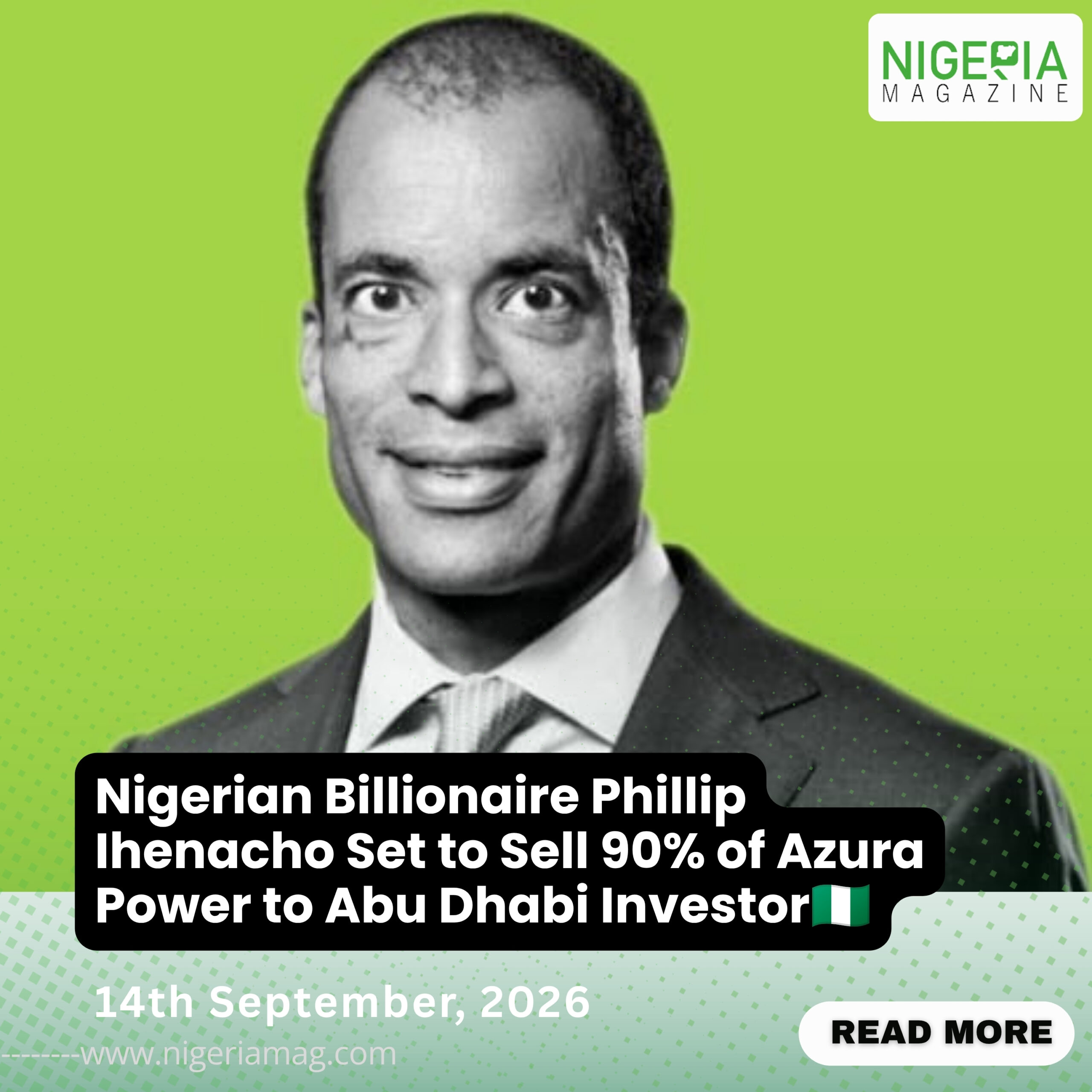
After 16 years of building Azura from a Nigerian power project into a 752MW pan-African energy platform, Phillip Ihenacho’s Amaya Capital is set to surrender majority control to Abu Dhabi-based ePointZero in a deal that could reshape the company’s next phase of growth.
From a Nigerian Idea to a Pan-African Power Business
For Phillip Ihenacho, the story of Azura Power is about to enter a very different chapter.
The Nigerian businessman, investor and co-founder of Amaya Capital is set to see the majority of the power company he helped build pass into the hands of an Abu Dhabi-based energy investor.
ePointZero, a subsidiary of the United Arab Emirates-based 2PointZero Group, has announced plans to acquire a 90 per cent stake in Azura Power Holdings Limited, the independent power producer with operations in Nigeria, Senegal and Mozambique.
Amaya Capital, which founded Azura in 2010, will retain a 10 per cent minority stake.
The financial value of the transaction has not been disclosed, and completion remains subject to regulatory approvals and other closing conditions. (Epointzero)
On the surface, it is another major African infrastructure acquisition. But behind the headline is a more interesting story: how a Nigerian-founded investment firm built a power company that eventually attracted major international investors — and now a new Abu Dhabi-backed owner.
Who Is Phillip Ihenacho?
Ihenacho is not a traditional power-sector executive. His career began in consulting and investment banking before he became involved in building African businesses and investment platforms.
Born in Lagos and raised in Jos, he studied at Yale University before earning a law degree from Harvard. He later spent several years at McKinsey & Company, working in different international markets.
He subsequently became one of the figures behind Afrinvest West Africa, an investment banking business that worked on capital raising and corporate transactions across the region.
His experience in finance eventually led to the creation of Amaya Capital, an Africa-focused principal investment firm.
Azura would become one of the company’s most ambitious projects.
And it was a project that many would have considered extremely difficult to pull off in Nigeria.
The Azura-Edo Bet
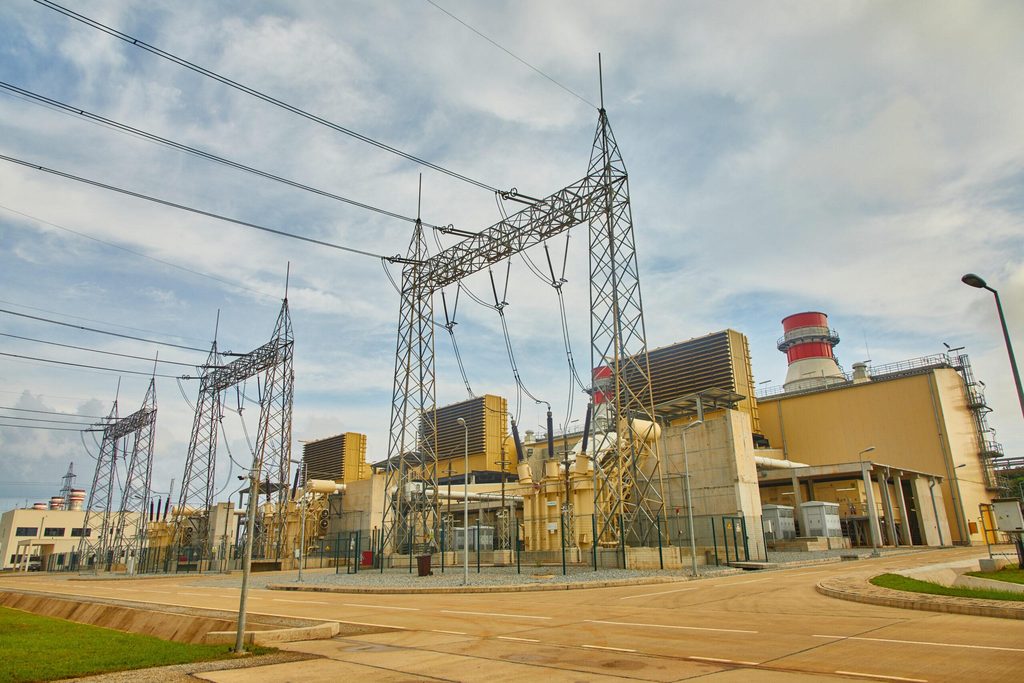
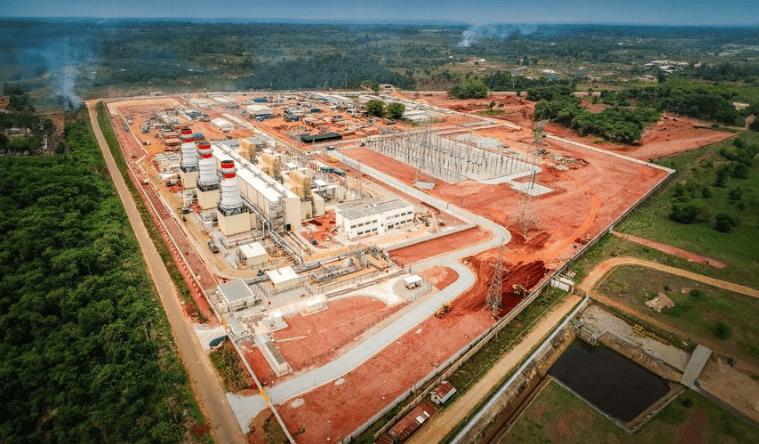
The flagship of Azura’s Nigerian business is the 461MW Azura-Edo Independent Power Plant, located near Benin City in Edo State. The plant was developed from a greenfield site and became one of the landmark privately financed power projects in Nigeria.
The project reached financial close in 2015 at approximately $876 million and ultimately involved more than $900 million in investment. It also became the first Nigerian power project to use the World Bank’s Partial Risk Guarantee structure, an arrangement designed to provide additional comfort to investors and lenders in a market where payment and contractual risks were significant. (Billionaires.Africa)
That history matters.
Nigeria has enormous energy resources, particularly natural gas, yet turning those resources into dependable electricity has remained one of the country’s biggest economic challenges.
Azura demonstrated that private investors could build and finance large-scale power infrastructure in Nigeria when the right combination of contracts, guarantees, financing and institutional support was put in place.
Azura Became Bigger Than Nigeria
What started with the Azura-Edo project did not remain a single-country story.
Azura Power now operates 752MW of generating capacity across three African countries.
Its portfolio includes:
Azura-Edo — 461MW in Nigeria
Tobene Power — 116MW in Senegal
CTRG — 175MW in Mozambique
Together, these assets provide roughly 10 per cent of each country’s grid baseload power, according to ePointZero. The company also has a development pipeline exceeding 1.5GW, covering gas-fired generation, renewable energy and battery energy-storage projects. (Epointzero)
That pipeline is arguably one of the biggest attractions for the new investor.
ePointZero is not merely buying existing power plants. It is acquiring a platform with the potential to significantly expand its presence in African energy.
Why Abu Dhabi Wants Azura
For ePointZero, the acquisition represents a major entry into African power generation.
The company describes its strategy as investing in specialised energy infrastructure capable of supporting industrial growth and meeting growing electricity demand.
Azura fits that model neatly.
Its existing plants have long-term power purchase agreements, providing contracted revenue streams that infrastructure investors typically value. At the same time, the company operates in markets where electricity demand is expected to continue rising as populations grow, industries expand and more businesses become dependent on reliable power. (Epointzero)
The acquisition also fits into 2PointZero’s broader expansion strategy.
The group has been building an international portfolio across energy and infrastructure, while ePointZero has positioned itself around assets linked to energy supply, generation and storage.
Azura therefore gives the Abu Dhabi investor something valuable: an established African operating platform rather than having to build one from scratch.
What Happens to Amaya Capital?
One detail of the transaction deserves particular attention.
Amaya Capital is not completely walking away.
The company will retain a 10 per cent minority interest in Azura.
That means the founders remain financially exposed to the future of the business while giving ePointZero majority control.
The transaction will also see ePointZero acquire the ownership interests currently held by Actis and Africa50 through an acquisition vehicle established with Amaya Capital. (Epointzero)
For Ihenacho and Amaya, that could be viewed as a significant milestone rather than simply an exit.
The company helped turn Azura from a greenfield idea into an operating African power platform. Bringing in a new majority investor with substantial capital could give the business the financial muscle required for its next stage.
What Does This Mean for Nigeria?
For Nigeria’s power sector, the deal sends a message that should not be ignored.
International investors are still willing to commit significant capital to African electricity infrastructure when they see viable projects, predictable revenue structures and opportunities for long-term growth.
But the transaction also highlights a difficult reality.
Nigeria needs much more than individual power plants.
It needs stronger transmission networks, better distribution infrastructure, reliable gas supply, improved payment systems and a regulatory environment capable of encouraging investors to keep putting money into the sector.
Azura can generate electricity, but the wider electricity system determines how effectively that power reaches homes and businesses.
That is where Nigeria’s bigger challenge remains.
The Next Chapter
Phillip Ihenacho’s Azura story began with an ambitious question: could private capital successfully build large-scale power infrastructure in Nigeria?
The answer, at least in part, was yes.
Sixteen years later, the company has evolved from a Nigerian project into a 752MW African power platform with operations in three countries and a development pipeline of more than 1.5GW.
Now, Abu Dhabi’s ePointZero wants to take that story further.
For Ihenacho, the deal represents the changing nature of African entrepreneurship. Building the company was one achievement; attracting international capital at scale is another.
The real test will come after the transaction closes.
If ePointZero’s capital accelerates Azura’s expansion, brings more generation capacity to African markets and strengthens the company’s renewable and storage ambitions, the deal could prove to be more than an ownership change.
It could mark the beginning of Azura’s biggest chapter yet.
And for Nigeria, where reliable electricity remains one of the country’s most urgent economic needs, that is a chapter worth watching.
#Nigeriamagazine #PhillipIhenacho #AzuraPower #AzuraEdo #ePointZero #AmayaCapital #2PointZero #Nigeria #NigerianBusiness #AfricanBusiness #Energy #PowerSector #Electricity #AfricanEnergy #AbuDhabi #Investment #Infrastructure #NigeriaEconomy #PowerGeneration #Africa

