


Exploring how Nigeria can unite the skills, creativity, and expertise of its people at home and abroad to drive sustainable national development.
By Moses Chibuike Ezechukwu
Nigeria has never suffered from a shortage of talent. If anything, the country has an abundance of it. From medicine to technology, entertainment to engineering, business to academia, Nigerians continue to distinguish themselves across the globe. Whether in Lagos, London, Toronto, Dubai, Johannesburg, New York, or Sydney, Nigerians are making meaningful contributions in industries that shape the modern world.
Yet, despite this wealth of human capital, the country continues to grapple with unemployment, underdevelopment, and the migration of skilled professionals in search of better opportunities. For years, the conversation has centred on the effects of “brain drain”—the steady departure of highly skilled Nigerians seeking improved working conditions and better quality of life abroad. While this concern is valid, perhaps it is time to shift the narrative. Rather than seeing migration solely as a loss, Nigeria should begin to view its global talent pool as a strategic national asset.
The truth is simple: talent does not stop being Nigerian because it crosses a border.
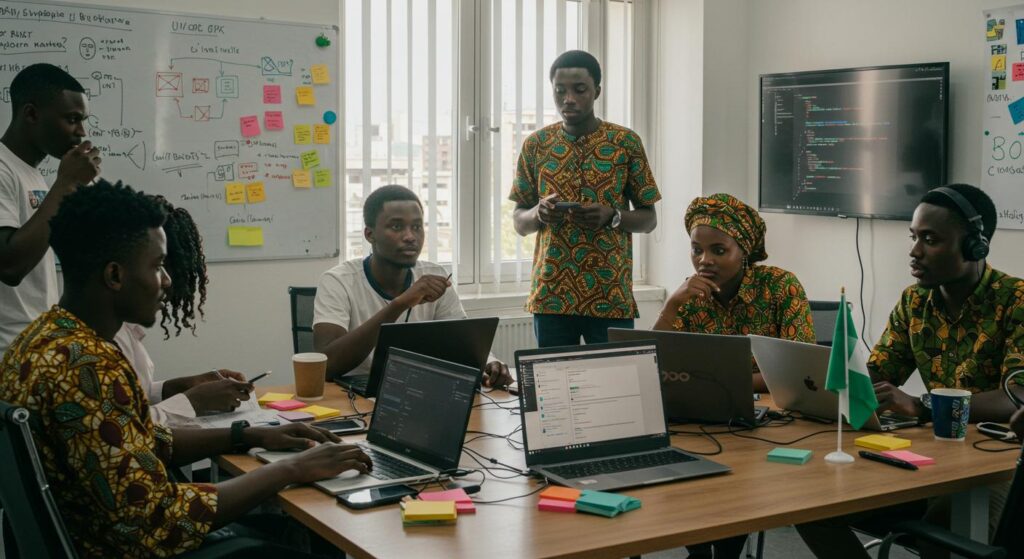
Today, millions of Nigerians living abroad occupy influential positions in multinational corporations, research institutions, universities, hospitals, financial organisations, and technology companies. Others have built successful businesses, created groundbreaking innovations, or established global professional networks. Collectively, they represent one of Nigeria’s greatest untapped resources.
The question, therefore, is not whether Nigeria has talented people.
The real question is how the nation can effectively connect with them and channel their expertise towards national development.
The first step is changing the mindset around the diaspora. Too often, Nigerians abroad are viewed merely as people who send money home to support their families. While remittances contribute billions of dollars annually to the Nigerian economy, their knowledge, experience, leadership, and global exposure may ultimately prove even more valuable than financial support.
Imagine experienced Nigerian engineers mentoring young graduates back home through structured online programmes.
Consider medical specialists collaborating with local hospitals through telemedicine and professional exchanges.
Think about technology entrepreneurs investing in start-ups while transferring practical knowledge to the next generation of innovators.
These possibilities are no longer distant dreams. Digital technology has made collaboration across continents easier than ever before.
Government also has an important role to play. Policies should encourage professionals abroad to contribute without unnecessary bureaucracy. Returning home to establish businesses, teach in universities, or participate in research should not become an exhausting administrative process. Incentives such as tax relief, investment support, transparent regulations, and research grants can encourage more professionals to engage with Nigeria without permanently relocating if they choose not to.
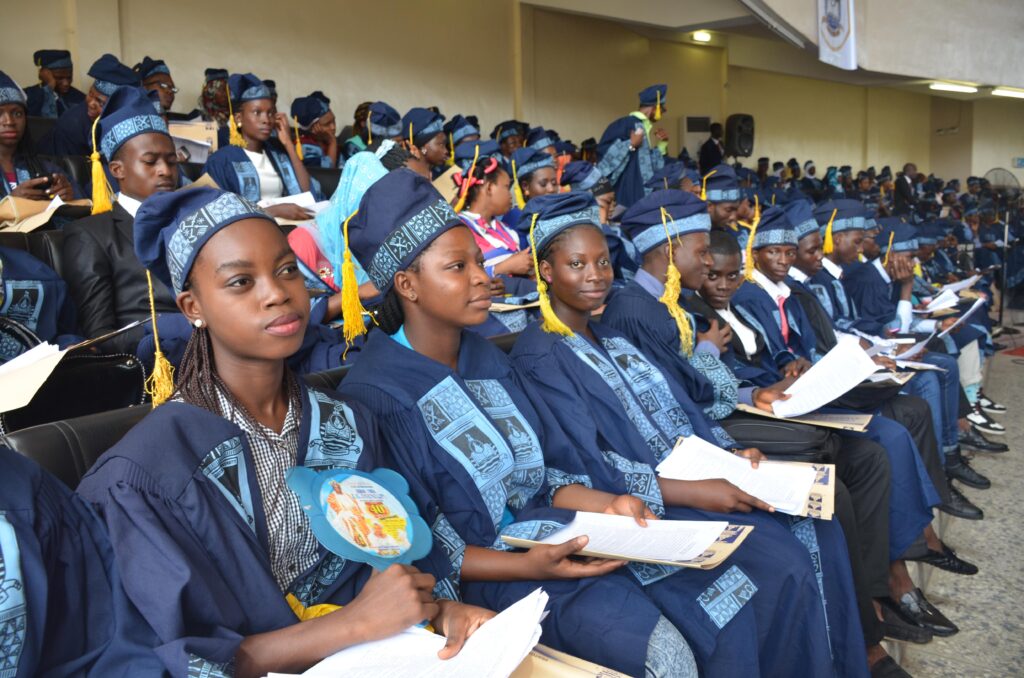
Education remains another critical area. Nigerian universities produce brilliant graduates every year, but many institutions struggle with outdated facilities, limited funding, and inadequate research opportunities. Partnerships between universities in Nigeria and Nigerian academics overseas could strengthen research, curriculum development, and innovation. Knowledge sharing should become a national priority rather than an occasional event.
Beyond formal education, mentorship deserves greater attention. Many young Nigerians possess remarkable potential but lack guidance, exposure, and access to professional networks. A nationwide mentorship initiative connecting experienced Nigerians around the world with students and young professionals could transform countless careers. Sometimes, a single conversation, recommendation, or piece of advice can change the trajectory of someone’s life.
Technology offers perhaps the biggest opportunity for national collaboration. Remote work has redefined the global workplace, making physical distance less important than ever before. Nigerian software developers can work for companies in Europe while mentoring local tech communities.
Financial experts can advise businesses from thousands of kilometres away. Designers, writers, consultants, researchers, and educators can all contribute meaningfully regardless of location.
Instead of focusing only on bringing people back home permanently, Nigeria should focus on building systems that allow talent to flow freely in both directions.
The private sector must also become more intentional. Companies should actively seek partnerships with Nigerian professionals abroad, inviting them to participate in innovation projects, leadership programmes, investment initiatives, and skills development workshops. International experience often introduces fresh ideas that can improve productivity and competitiveness.
Equally important is recognising and celebrating excellence wherever it exists. Nigeria has a habit of celebrating achievements only after they receive international recognition. This mindset should change. Young Nigerians need role models who demonstrate that success is possible through hard work, integrity, creativity, and resilience. Highlighting the accomplishments of Nigerians across different industries can inspire confidence and encourage ambition among the next generation.
Of course, no discussion about talent can ignore the realities that continue to push people away. Insecurity, unstable electricity, poor infrastructure, inconsistent policies, and limited employment opportunities remain genuine concerns. These issues cannot be ignored if Nigeria hopes to retain more of its brightest minds. Talent thrives in environments where ideas are valued, institutions are trusted, and opportunities are accessible.
Creating such an environment requires political will, long-term planning, and accountability. Development cannot depend solely on patriotic appeals. People are more likely to invest their skills where they see fairness, transparency, and the possibility of meaningful impact.
At the same time, patriotism should not be dismissed entirely. Across the world, many Nigerians continue to demonstrate a genuine desire to contribute to their country’s progress. Numerous professionals regularly volunteer their expertise, sponsor educational programmes, support healthcare initiatives, and invest in local businesses. Their commitment shows that national development does not always require permanent relocation. Sometimes, what matters most is creating pathways for collaboration.
The media also has an important responsibility. Instead of focusing exclusively on political disputes and negative headlines, news organisations should consistently highlight stories of innovation, entrepreneurship, scientific breakthroughs, and community leadership. Positive storytelling does not ignore national challenges; rather, it reminds citizens that solutions already exist within the country’s own people.
Ultimately, Nigeria’s greatest natural resource may not be oil, gas, or minerals. It is its people.
Countries that have transformed their economies did not succeed simply because they possessed natural wealth. They invested in human capital, encouraged innovation, rewarded excellence, and built institutions that allowed talent to flourish. Nigeria has every opportunity to follow a similar path if it chooses to place its people at the centre of national development.
The future of Nigeria will not be determined solely by government policies or economic indicators. It will also depend on whether Nigeria can connect its millions of gifted diaspora scattered across the world into one purposeful network of ideas, investment, innovation, and shared responsibility.
The talent already exists. The ambition already exists. The global network already exists. What remains is the collective decision to bring these strengths together—not just for individual success, but for the progress of an entire nation.

